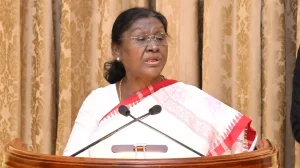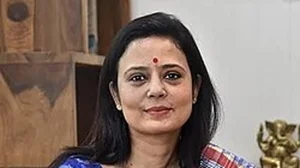
The new political problem began after President Droupadi Murmu said she was not happy with the arrangements at a tribal people’s event close to Siliguri, and asked why Chief Minister Mamata Banerjee was not there. Banerjee quickly responded that the BJP was wrongly using the highest job in the country and getting the President involved in party politics.
The Siliguri Event Controversy Becomes a National Discussion
The cause of the trouble was the 9th International Santhali Meeting, which the President went to on Saturday. The event was in Goshaipur, near Bagdogra Airport – the people putting it on moved it from a city location they had talked about before, because of too much traffic.
When she spoke, President Murmu said publicly that the Chief Minister had not met her, and said as a rule, the CM and cabinet members should be present. She also said the governor had been changed and could not be there, but she went on anyway, as the date had already been decided.
The President also expressed worry about the place the meeting was held and how many people came, saying she was very sorry that people could not get to the meeting as it was so far away. These statements quickly caused political reactions from both sides.
Mamata Banerjee Defends Herself and Accuses the BJP
Mamata Banerjee said the meeting was organized by a private group, and the state government had already said there were problems with the place being ready. She said there was no break in what is expected, and that the President’s office had agreed to a plan that did not include her or her ministers.
Banerjee said papers showed the event was to be at Goshaipur, not Bidhannagar, and the state had warned about poor arrangements days before. She said the President was met and said goodbye to by the Mayor of Siliguri, the District Officer of Darjeeling, and the Police Chief of Siliguri – exactly as the plan that had been approved said.
The Chief Minister made her criticism stronger, saying there was political interference. ‘We respect the Honorable President. But she is being told what to do by BJP rules and orders,’ Banerjee said, and that the BJP was wrongly using the highest job in the country to get political advantage.
Prime Minister Narendra Modi’s Criticism and the BJP’s Response
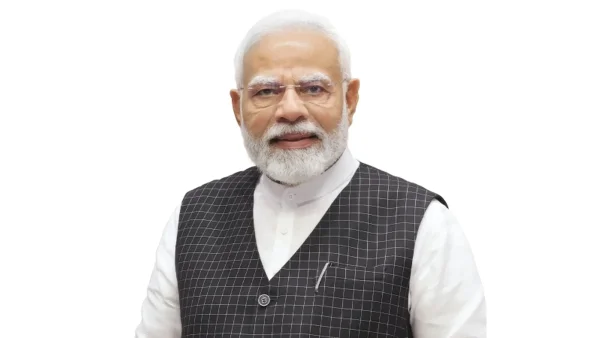
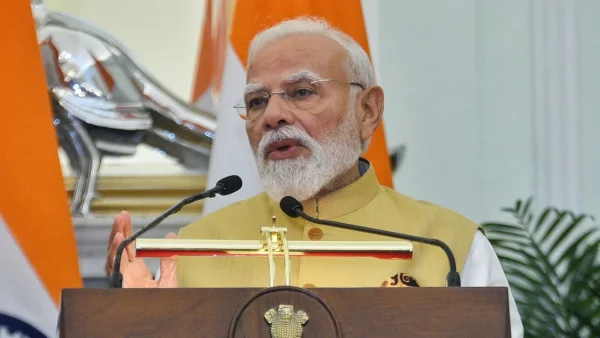
Prime Minister Narendra Modi called the whole thing a shame and something that had never happened before, accusing the West Bengal government of not respecting the importance of the President’s job. He said on X that the pain shown by the Rashtrapati – who comes from a tribal people’s group – had made people all over India sad.
The BJP said it was a serious break in what is expected by the state. The Trinamool Congress answered that the President’s office decides who will meet and greet, and that local officials had followed it exactly. With opposing statements, the argument has grown into a bigger fight about what things mean.
What Should Happen, What Has Happened Before, and What the President’s Office Does
As is usual, a Chief Minister often greets the President during visits to the state, especially at important public events. But what is expected is based on the official program from the President’s office, which says who will meet, go with, and host the important person.
When a private group leads an event, those in charge usually deal with the practical things, while the district administration helps with safety and managing the crowd. If the plan that has been approved does not include the Chief Minister, local officials are expected to do the greeting work. Arguments about what roles people have show the need for clearer, quicker communication between everyone involved.
What This Means for Politics in West Bengal
The argument has become a way of showing the bigger fight between the BJP and the Trinamool Congress in West Bengal. It is connected with reaching out to tribal people – an area that is delicate and very important to both parties, especially in North Bengal and among Santhali people.
The way the place the meeting was held was changed, and the lower number of people who came, have made the tension worse. Each side is using this moment to make the other look either as not respecting institutions or as wrongly using what is expected. In a time of great political tension, small problems with what is done can quickly turn into national arguments.
What Will Happen Next: Dealing with What Should Happen and Politics
To stop similar things from happening, governments and organizers could publish standard plans for who will meet and greet, studies of places for events, and reports about events after they happen. These steps would build openness and reduce the chance for opposing claims.
At the moment, everyone is watching for any official explanations from the President’s office and the West Bengal government. Clear papers could settle questions about what was done, even if the political argument goes on.