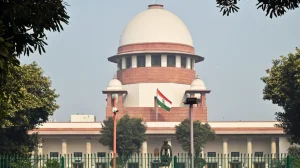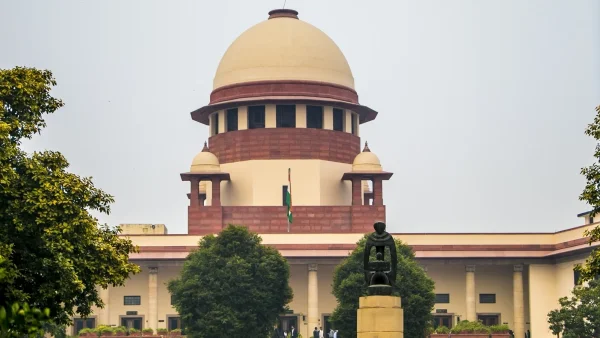
The Supreme Court, with Chief Justice Surya Kant and Justices Joymalya Bagchi and Vipul M Pancholi, heard the case on Thursday. They said they weren’t going to change the Election Commission’s transfers (and the High Court had already said no to the request), but the bigger legal questions weren’t finished with. West Bengal will hold its elections in two parts, April 23rd and 29th, and the votes will be counted on May 4th.
The court’s short decision allows for future arguments about the limits of the Election Commission’s authority as defined by the Constitution. By not ruling on the legal question, the Justices indicated they might look at it more fully in another case, or with different specifics.
Background of the challenge in the Calcutta High Court
The Supreme Court became involved because of a “public interest litigation” (a case brought by people concerned about a public issue) in the Calcutta High Court which challenged the Election Commission's transfers. The High Court dismissed that case on March 31st, and the people who brought the case then went to the Supreme Court to try and get help before the election.
Why transfers matter ahead of the Bengal poll
These transfers of administrative and police officials in West Bengal are normal before an election, but they are often a source of political tension. Those who filed the request argued that some of the transfers could cause the local government and police to not be neutral during the campaign.
How officers are moved around can affect how the election actually works, impacting things like keeping the peace, setting up the places people vote, and making sure the Election Commission’s directions are followed. The Election Commission says that strategically moving officials helps them be fair and run things efficiently.
Implications for stakeholders and the election process
Political parties closely watch these changes for any sign of favoritism, and civil servants are put under a lot of public attention during important elections. The court deciding to get involved, or not to get involved, definitely impacts how the election is managed in the final weeks before people vote.
Legal issues left open for future consideration
The Supreme Court dismissed the request but left the legal question unanswered, so the main issues about the Election Commission’s authority aren’t settled. Important questions remain about how much courts can review transfers done for election purposes, and what rules courts should use to make that decision.
Future cases could examine the Constitution, specific laws, and previous court rulings to decide how much power the Election Commission has to take administrative action. A firm ruling on this could become a key example for how elections are managed in all areas.
For those who will be voting, the immediate result is that the election dates haven’t changed and the election schedule will continue as planned. Political parties will continue campaigning, and keep an eye on how things are being run by the government and police.
Civil servants are now working under the transfers the Election Commission made, and even though the legal issues are still uncertain, they will do their jobs. People watching the election and those with a stake in it will be looking for more requests to the court, or more detailed judgements, that might make the relationship between managing the election and the court’s oversight clearer.