According to the family, Radhika Devi was admitted for a spinal tumor. However, she was taken into surgery for a completely different person’s illness.
Chronology of events and key dates
Radhika Devi had been in the hospital since February 25th because of her spinal cord tumor, her grandson, Mrityunjay Pal, explained. On March 7th she was taken to the operating room and given anesthesia. The surgeons started operating, but quickly realized the place they were working on wasn’t the spine they were meant to be operating on.
The family says the wrong patient went into the operating room on March 7th. After the staff realized their mistake, they closed up the cut and sent her back to the regular ward. She finally had the spinal surgery she needed on March 18th, but then had problems and died later in March. The family has March 27th as the date of her death, although some hospital records say March 28th.
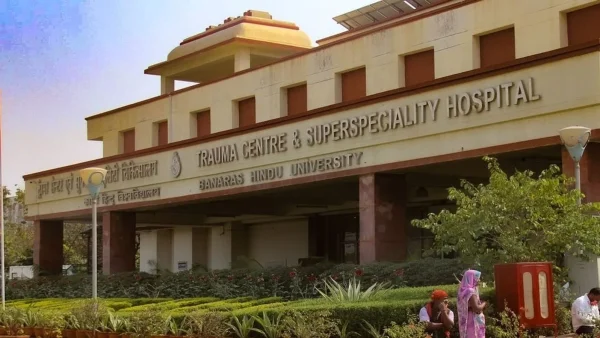
How the misidentification unfolded at the BHU trauma centre
Hospital records show there were two patients with similar names, in different beds: an 82-year-old with a bone issue, and Radhika Devi, aged 71, who had a problem with her nerves. The bone patient was in bed 17, and Radhika Devi was in bed 29. On March 7th the wrong patient was taken to the operating room at the trauma center.
As the operation began, the surgical team didn’t find the expected break or spinal issue. The staff later said the nurses told the surgeons that they had the wrong patient on the table. At this point, they didn’t do anything else to her and sent her back to her ward after closing the incision.
Family allegations and formal complaint to hospital authorities
Mrityunjay Pal made a complaint to the director of the Institute of Medical Sciences. He said the hospital was extremely careless, didn’t tell the family about the mistake, and caused his grandmother a lot of suffering from having multiple surgeries. He said relatives weren’t informed after the first, wrong operation and his grandmother’s condition got worse before she could have the spinal surgery she needed.
The family is criticizing both the doctors and the nurses. They say the mistake in identifying Radhika Devi and how they handled things afterward made her medical problems and her distress much worse. They want a completely open investigation and for someone to be held responsible for any mistakes in how patients are kept safe.
Hospital response and investigation process
The hospital has said it received the complaint and has created a four-person committee to investigate. Hospital officials said they will do more once they get the committee’s report. The committee originally had a doctor from the bone department on it; after complaints, the leader of the committee was changed to make sure it would be fair.
The person in charge of the trauma center has given a report to those in authority but won’t say any more while the investigation is happening. The hospital has said it will consider punishment and ways to improve things once the committee has finished its findings.
Wider implications for patient safety and protocol review
This situation shows how dangerous it is to get patients confused in busy hospitals and how important it is to have many checks to be sure you have the right person before giving anesthesia and making an incision. The best ways to do this are to check identity more than once, use easily visible bracelets, have a discussion with the team before the surgery, and have a “time out” to officially confirm the patient’s details and where on the body the surgery is to be performed.
Hospitals need to make it a priority to openly share what happened, quickly look into things internally, and clearly communicate with families after something bad happens. An investigation that is done by someone not connected to the hospital, and is done quickly, along with changes to prevent this in the future, can help people regain confidence and stop the same thing from happening again.