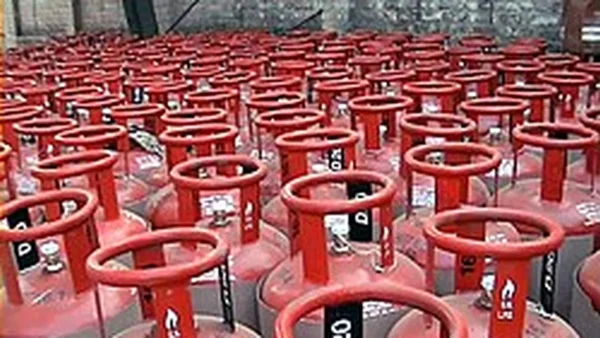
Household LPG cylinder costs increased by Rs 60 for the standard 14.2-kg cylinder, and Rs 115 for the 19-kg cylinder used by businesses, starting on Saturday, March 7. Many people have strongly objected to the increase, saying it will really hurt budgets that are already stretched, and make cooking fuel more expensive in all cities.
The new prices in the main cities for the 14.2-kg domestic cylinder are:
– Delhi: Rs 853 to Rs 913.
– Mumbai: Rs 852.50 to Rs 912.50.
– Kolkata: Rs 879 to Rs 939.
– Chennai: Rs 868.50 to Rs 928.50.
What people think, and how households are affected
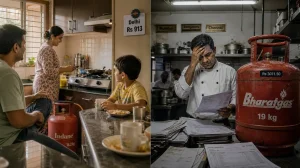
People said the Rs 60 increase is a real problem for lower-paid families who are already finding it hard to pay for things day to day. Anita, in Delhi, said her family gets through two cylinders every month, so the total cost soon becomes a large amount, and leaves less money for food and the things they need. Others said the rise in LPG prices would be felt in all household costs. Salma stated, ‘We are poor. Sixty rupees is a lot to us. We work all day just to be able to eat in the evening.’ People in a number of towns said that increasing inflation could mean that spending went up faster than earnings, and people would have to make hard decisions about what to buy for food and fuel.
What politicians and the government say
Politicians who oppose the government criticised it for the increase, saying it was part of the general rise in the cost of living. One opposing group called the Prime Minister ‘Inflation Man’ and pointed to the direct effect on households, and the fact that prices of cylinders for businesses had gone up a lot in recent months.
Prices of 19-kg cylinders for businesses also went up:
– Delhi: Rs 1,768.50 to Rs 1,883.
– Mumbai: Rs 1,720.50 to Rs 1,835.
– Kolkata: Rs 1,875.50 to Rs 1,990.
– Chennai: Rs 1,929 to Rs 2,043.50.
A government minister said that there was no shortage of fuel, and that the main aim was to have a supply that was both affordable and would last. People who disagreed with this pointed to these assurances when they questioned the timing and size of the latest price rise, saying that what the government said about affordability did not match the new prices.
What people and local leaders say
People locally felt everything from annoyance to accepting the situation. In Moradabad, people said the Rs 60 rise would make financial difficulties worse and make everyday things like ordering cylinders, or using other types of fuel instead, more difficult. Some customers also worried that higher LPG prices could mean that petrol and diesel prices would also go up.
Leaders in the area raised problems with how things were run, like cylinders taking longer to be delivered, and smaller amounts of kerosene being available, and warned that increases in price as a whole would affect people’s trust in elections, and the stability of society. These comments show how the cost of energy affects both people’s daily lives and the wider political argument.
What the rise in price means for the economy, and what people can do
Experts say that an increase in the price of LPG adds to the overall rate of inflation, and to the amount that households spend. For families with low incomes, even small rises can reduce the money they have left for things they want to buy, affect their diet, and make them buy cheaper things instead.
People can react by checking if they are entitled to help with costs, watching the official prices of cylinders in their city, and saving fuel where they can. Families might also spread out when they refill cylinders, compare what different suppliers offer, or consider using larger cylinders for businesses if it is cheaper for them to share or buy in large amounts. Keeping an eye on price trends and official notices will help families plan their spending until prices become steady.
Revised prices in each city
The last time the price of a non-subsidised domestic LPG cylinder in Delhi was changed was in April 2025, at Rs 853, which shows how quickly prices can change. As people who make decisions and customers think about the effects, the immediate problem is still managing tighter household budgets while watching what prices do in the future.