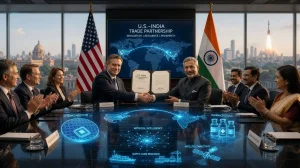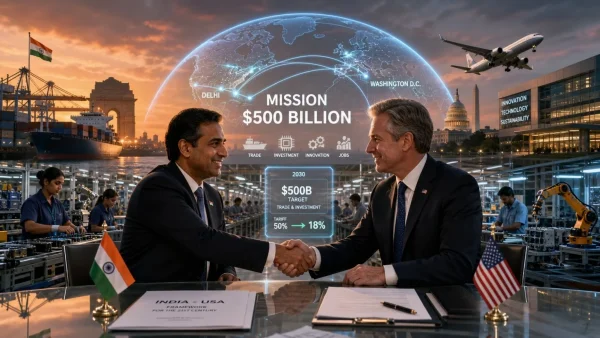
Talks on the India-US trade deal have taken on a new tone. Both sides have put out the word on Mission $500 billion before the ink is even dry. It is an effort to get ahead of the curve on market access and harden supply-chain links for 2030. Then there are the tariff reductions that come with it, which should give some of our exporters a cost advantage in the near term.
What Mission $500 billion is all about
When the trade deal was put on the table in February 2026, this mission was part of the package. But it is more than a simple tariff exchange; it is a call for growth. A recent note from the US Embassy in India made clear it is an attempt to bring New Delhi and Washington closer in trade.
The US mission here has four objectives in mind, and they run deeper than the figures on the page. By connecting trade to where the capital and the factories are, the pending deal becomes a platform for both.
In the words of the officials:
– Make supply chain integration a priority
– Open up for more investment
– Put down some of the trade barriers
– Create jobs
On the numbers and what is being bought
The fact sheet from the two governments earlier this year has them vowing to see bilateral trade hit $500 billion by 2030. India has also put on record its intention to be a bigger buyer of American goods.
We are talking about over $500 billion in purchases in areas like energy, ICT, coal and beyond. It is a way to underwrite demand for US suppliers and make sure India’s own growth has the right kind of input.
Where the tariffs and market access stand
The side of the table where the proposed deal trims India’s tariffs from 50 per cent to 18 is set to be a game-changer. Once you make that official, margins and pricing power for the exporter improve.
There is also the matter of opening up the market and getting the private sector involved in manufacturing and tech. As soon as we sign, you will see zero duties on things like aircraft components, generic drugs and gems and diamonds.
Some of the more labour-intensive sectors will feel the change first. Analysts see room for these to become more of a factor:
– Textiles and apparel
– Leather and footwear
– Plastics and rubber
How much is left?
Those in the room say 99 per cent of the work is in the bag. After the latest round of talks, there is an expectation the agreement could be put to pen in the fall, which would keep the momentum of the mission going.
One thing still on the table is the USTR Section 301 probe. Brij Mohan Mishra, Joint Secretary at the Department of Commerce, was clear at a hearing: ‘India would like to highlight its concerns with the USTR’s report and findings against India.’ He has asked for a re-think on the 12.5 per cent tariff they have in mind.
What is at stake and where to from here
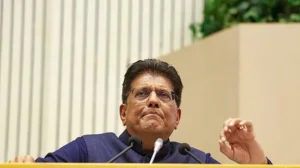
Piyush Goyal, the Commerce Minister, has had some good sessions with his US counterparts and is of the view that both are in for a fair and useful deal. He sees it as something with real commercial weight for the businesses, the farmers and the workers on both sides of the ocean.
For India, the tariff route and the no-duty options are a way to stay in the running in price-driven markets. The US, for its part, is in a position to grow with India’s needs given the focus on the supply side and investment.
Now it is a matter of process. The fine print on tariffs and the Section 301 file will tell us how fast this turns into output on the factory floor. If we have signatures in the fall, then Mission $500 billion is no longer just a goal – it is a matter of execution, with 2030 to measure it against.