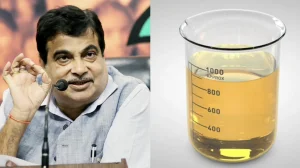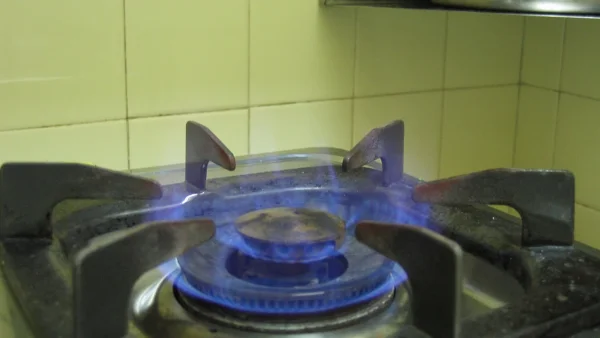
The Ministry of Petroleum and Natural Gas is reportedly working on a policy to promote ethanol as a mainstream cooking fuel, opening a new chapter in India’s clean energy transition.
The proposal is expected to explore ethanol as an alternative cooking fuel alongside existing options such as LPG and electricity. While supporters view the move as an opportunity to diversify energy sources and reduce dependence on imported fossil fuels, the idea has also raised questions among environmental experts, economists, and policy observers.
Why Ethanol? And Why Now?
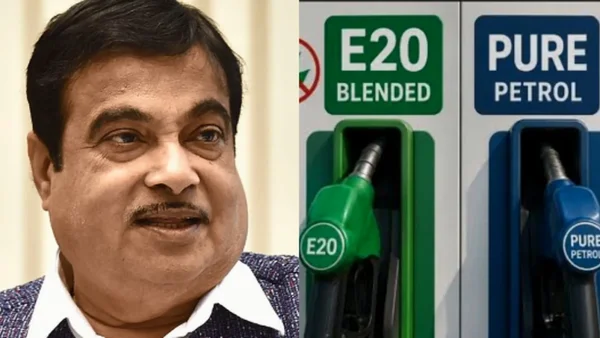
India has already expanded the use of ethanol by blending it with petrol as part of its efforts to reduce crude oil imports and lower emissions.
Now, the discussion appears to be shifting from vehicles to kitchens.
The proposal has prompted many to ask:
Is the Existing LPG Network Not Enough?
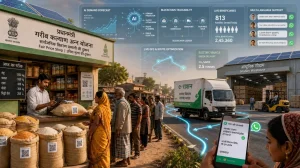
Over the past decade, the government has invested significantly in expanding LPG access across the country.
If ethanol is introduced for cooking, observers are asking:
Will households need new stoves?
How will ethanol be supplied across urban and rural India?
Will it be affordable compared with LPG?
What problem is the new fuel intended to solve?
The Water Question
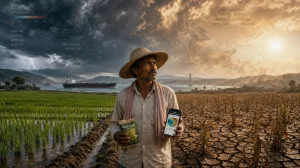
Perhaps the biggest concern raised by experts relates to water.
A significant share of India’s ethanol production currently comes from crops such as sugarcane, which is known to require substantial amounts of water.
Can a Water-Stressed Country Afford More Water-Intensive Fuel Production?
India already faces recurring droughts and groundwater depletion in several regions.
Critics argue that any expansion of ethanol production should carefully consider local water availability and encourage the use of non-food, less water-intensive feedstocks where possible.
Supporters, however, point out that ethanol can also be produced from agricultural residues and other alternative sources, which could reduce pressure on food crops and water resources if adopted at scale.
Food or Fuel?
Another debate revolves around the balance between food production and fuel production.
If demand for ethanol grows substantially and relies heavily on food crops, some analysts argue it could affect agricultural priorities.
Others counter that policy design, feedstock choices, and production limits can help avoid direct competition with food supplies.
The long-term impact would depend on how the final policy is structured.
A New Industry or a New Expense?
Introducing ethanol into household kitchens would require more than just a policy announcement.
It could involve:
Infrastructure Challenges
Distribution networks.
Storage facilities.
Compatible cooking appliances.
Safety standards and consumer awareness.
Reliable supply chains.
Whether these changes translate into higher or lower costs for consumers would depend on the final implementation model.
Supporters See Opportunity
Those in favor of the proposal argue that ethanol could strengthen India’s energy security, create additional markets for agricultural feedstocks, and reduce reliance on imported fossil fuels.
If sourced sustainably and supported by appropriate infrastructure, they believe ethanol could become another option in India’s evolving clean-energy portfolio.
The Questions That Remain
As the policy develops, several questions remain unanswered:
What feedstocks will be prioritized for ethanol production?
How will the policy address water-use concerns?
Will ethanol complement LPG or compete with it?
What will be the cost for households?
How will safety and distribution be managed?
The Road Ahead
At this stage, the proposal remains under development, and its final shape will determine its impact on consumers, farmers, and the energy sector.
Whether ethanol becomes a common cooking fuel or remains a niche alternative will depend on how the government balances energy goals with affordability, sustainability, food security, and water management.
For now, the conversation is only beginning—but it is already raising important questions about the future of cooking fuel in India.