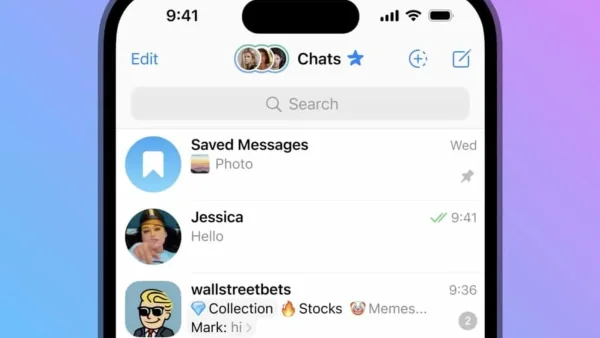
The Ministry said Telegram had more than 3100 channels with content that was protected by copyright. These channels were sharing illegally copied material from streaming services and film/television companies and the Ministry ordered the channels and everything on them to be taken down right away.
Scope of the takedown order
During a review, the Ministry found 3142 channels, and some of these had over 2000 illegal links to material. Over 150 of these channels each had more than 500 links that broke copyright laws, which shows that lots of unauthorized content was being spread in an organized manner.
The illegal content mentioned in the official notice included web series, cartoons, movies, TV shows, reality shows, audiobooks and podcasts. The Ministry said this was a planned and repeated breaking of copyright law that hurts the proper distribution of content.
Legal basis and safe harbour limits
The notice said the Copyright Act of 1957 is the law that allows the government to demand the takedown. It also brought up the Information Technology Act, which generally protects intermediary services (like Telegram) from being held responsible for content that users put on or send through their services.
However, that protection is not guaranteed. Intermediary services lose their protection if they don’t quickly remove or block access to illegal content when they get a court order or a notice from the government. The Ministry used this requirement to insist that Telegram act immediately.
Operational timeline and enforcement
The Ministry says Telegram was told to remove the specific channels and all their content within three hours of being told to do so. This short timeframe shows the government wants to stop illegally copied material spreading quickly and to limit the financial damage done to the people who own the rights to the content.
This action happened because many content owners, production companies and streaming platforms complained. The authorities said the process was based on those complaints, and they looked into the claims before sending the notice based on the Information Technology Act of t000.
Implications for platforms and users
This order emphasizes the work messaging and hosting platforms have to do to keep an eye on and respond to copyright infringement claims. These platforms have to find a balance between automatic detection, people looking at the material, and following the law to maintain their safe harbor protections and to avoid fines or further legal action.
This crackdown warns people using channels to share copyrighted material that they will be watched more closely. People who intentionally share illegally copied content could be sued, and even people who just use these channels and the content on them might lose access to those channels and content.
Broader impact on anti-piracy efforts and policy
The takedown order might lead to more cooperation between copyright owners, technology platforms and the people who make and enforce the rules. Content owners will likely improve how they watch for and report copyright breaches, and platforms might invest in better systems to identify and remove illegal content in order to reduce their legal risks.
Government officials might also reconsider the tools they use to enforce copyright and the process of “notice and takedown” (where a platform is told about illegal content and removes it) to make responses to large-scale piracy faster. This case demonstrates the difficulty of protecting intermediary services while also making sure illegal distribution of material is stopped quickly.
The Ministry’s action against the Telegram channels is an important step in the fight against online piracy. It may change how messaging platforms deal with copyright complaints, how copyright owners protect their content, and how regulators define the responsibilities of digital intermediary services in the future.