In a scenario where the railways once fed off the largesse of interpolation on the broader economy, they often faced economic shocks and responsibilities with very few systems in place for either. Such times go under the waysides and give way to many policy windows. 252 IRCTC’s continuous meal and catering service shows an example of a state-operated industry. For this matter, the reasons may be tagged for a plethora of reasons. This point builds from other structural systems and areas within a perspective informed by the bank narrative. Now those railways must lose money less again and then experience more of a virtual living on the edge of the state.
Ironically, since oil prices escalated while the new thing started in early 2022, some countries have become more prone than before. For a couple of days over these few borders, the profile of political countries grown amid stress. Now National Production is at a credible risk, unable to gain sufficient output from these other available sources. The integration of the railways across some basic categories-into one nation.
Contingency Advice for Caterers by IRCTC
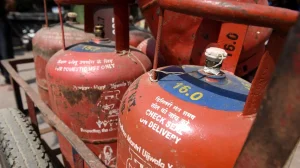
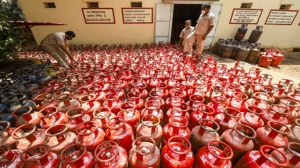
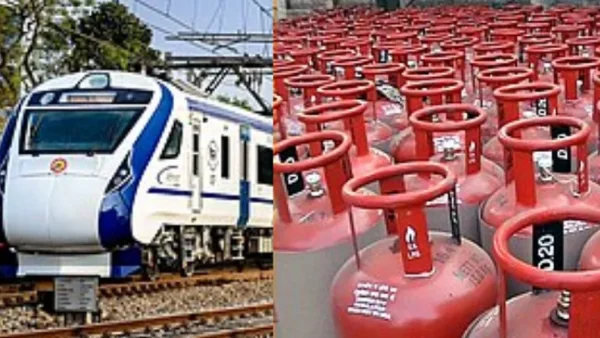
The IRCTC sought to enable immediate proactive action and instruct food plazas, refreshment rooms, and Jan Ahaar outlets to consider immediate alternative cooking spaces should their LPG supply be restricted or cut off. The contingency plans for sustained food services and passenger discomfort alleviation were to be put into operation without delay.
Furthermore, caterers in such scenarios have had to communicate to the competent authority immediately on any disturbance or cessation of LPG supplies in their areas, with a strong adherence to compliance, and to remain operable in logistical adversities. Such readiness must thus be exhibited within our foods and stations besides the base kitchens.
Alternate Cooking Methods and RTE Stockpile
Based on the journeys made by units, IRCTC demand that the units shift to alternate feeds where possible and also maintain a fair amount of stock in Ready-To-Eat (RTE) items in-store. These stocks of ready-to-eat products would come into action in times of emergencies, when liquid gas flow as well as gas stoves need overhauling again allowing the stations to prepare a basic meal without being contingent on gas-operated cylinders.
Turning to alternative fuels or electric means of cooking would necessitate the desire of the railway society with respect to station utilities and local venders as other issues matter for procurement, storage, and hygiene protocols for RTE and hybrid cooking to be in compliance with the quality objectives of food safety for passengers.
IMPACT ON PASSENGERS AND REFUNDS:
To protect the interests of passengers, IRCTC has admitted that refunds will be made to passengers who booked meals at the time of ticket reservation in case of any halt to the cooked meal service with regard to the LPG shortage. It announced that no additional financial burden of losses, as such, will be passed on to passengers; everything ends when the service is interrupted.
Then, formations in the backend system would be essential for seamless coordination among the catering sector, reservation systems, and payment processors to ensure immediate return of monies. Assertive communication to passengers on the status of the service and refund timeline would be critical for maintaining confidence in these circumstances of interruption.
OPERATIONAL AND SUPPLY CHAIN IMPLICATIONS:
The situation reveals vulnerabilities in the food brake system that is almost entirely dependent on commercial LPG through centralized cooking. Railways could potentially move swiftly to invest in alternate fuel infrastructure, more distributed cooking models, and an expanded procurement of RTE in order to reduce single-point dependencies.
Longer-term solutions might perhaps involve policy engagements with suppliers, setting up contingent contracts for alternate fuels, and investments in electric kitchen equipment at major nodes. In the short term, IRCTC’s diktat is all about keeping services running and ensuring that passengers remain less affected as operations try to keep up with the changing geopolitical equations.