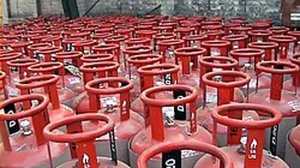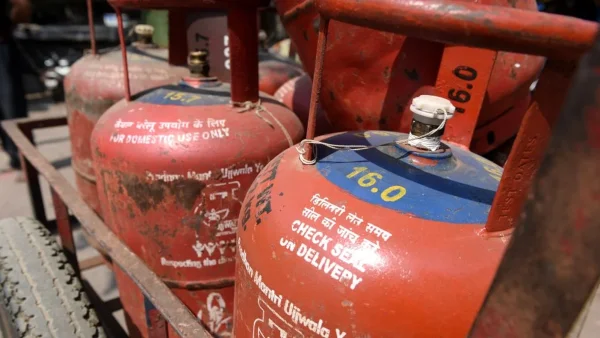
West Bengal has acted to stabilise cooking gas supplies by bringing in a Standard Operating Procedure to control Liquefied Petroleum Gas distribution across the state. This has come about with growing worry about whether there will be enough, and reports of interruptions to schools, hospitals, religious places, and small businesses which depend on a regular LPG supply.
What the SOP Covers and Who Gets Priority
The new SOP makes supplying LPG to people in their homes, and important public bodies, the main thing. These bodies include hospitals and health centres, Anganwadi centres, Integrated Child Development Services centres, schools, colleges, and government hostels.
Officials said that LPG for businesses will be controlled depending on how much there is overall. The goal is to stop it stopping completely and to keep important food services and small businesses going. Organisations have also been asked to save fuel where they can, to make supplies last longer.
Command and Control in Real Time
A control room which is open 24 hours a day, 7 days a week, has been set up at Nabanna to watch LPG stocks and movement in all the districts. This unit will work with district administrations, distributors, and oil marketing companies to quickly sort out problems in the supply chain.
The control room will use a dashboard which shows everything in real time, to look at stocks, deliveries, and how much is being asked for. This central watching is to make distribution steady, to be able to make changes if needed, and to make things clearer for everyone involved.
Strong Oversight at a High Level and Watching All Fuels
To guide how things are done, the state made a committee led by the chief secretary. On the committee are the Director General of Police, ADG (Law and Order), Commissioner of Police (Kolkata), ADG (Enforcement Branch), and ADG (IB). The group will meet often to look at data and to decide what action to take.
As well as LPG, the committee will look at how much of other fuels there is, including CNG, diesel, petrol, and kerosene. The wider plan is to make sure that important transport, health, education, and social services are not stopped.
Making Logistics Stronger and Making Sure Supply is There
Oil marketing companies have been told to keep enough LPG for people in their homes in both country and town areas. The order makes clear the need to regularly put stocks back up, and to quickly do home delivery orders.
Bottling plants have been told to increase the number of delivery vehicles and to send things out more often. Authorities have also suggested that LPG tankers be named as emergency transport vehicles, and to make ‘green corridors’ to speed their movement along main routes.
Quick Steps to Make Movement and Access Easier
Officials have set out steps to reduce problems in last-mile delivery. These include working together at district level to sort out delays on routes, quicker turnarounds at bottling plants, and better talking with distributors about daily plans for what is given out.
The SOP makes clear the risks of too many people trying to get things when there is not much supply. It suggests a step-by-step approach for business cylinders, keeping a minimum flow to important kitchens and food businesses, while protecting what people in their homes get first.
Public Help Lines and Sorting Out Problems
Authorities have given out control room numbers for urgent work together: 1070, 033-22143526, and 8697981070. Public help line numbers for reporting problems and asking for help are 033-49506101, 033-35026214, and 033-24874400.
According to the SOP, the goal is to guide coordinated watching, to make supplies steady, and to be able to quickly sort out problems the public have. The plan is to keep everyday things going such as hospital diets, mid-day meals in schools, ICDS nutrition services, and what people in their homes need.
What is Happening on the Ground and Pressures on Supply
Reports from districts show that mid-day meal programmes have had problems as some distributors have trouble getting cylinders there on time. A number of schools have cut back on what they offer, or used wood-burning stoves for cooking for a short time.
Hospitals have also reported that there is not much commercial LPG, and some kitchens have changed to using cylinders for homes, to keep patient meals going. The state has marked these as important cases for working together to support supply, and to get quicker refills.
Restaurants, caterers, and hotels have started to look at other options where they can, including charcoal and wood. People who speak for the tourist industry in places where there are a lot of tourists have warned that if commercial LPG is scarce for a long time, it could mean simpler menus, shorter hours of service, or higher prices.
Religious organisations and community kitchens which are helped by the government have shown that daily cooking is under stress. Local administrators are sending these cases to the control room and district authorities for quicker solutions as supplies are moved to where they are needed.
What is Happening in the World and Local Protection
The state’s reaction comes after wider problems in the energy market which are linked to the fighting in West Asia, including delays to shipping through the Strait of Hormuz. Although the supply chain is still working, the focus in West Bengal is on making sure that people in their homes have access, and that important services go on.
By watching LPG as well as other fuels, the state hopes to contain effects which spread across transport and important industries. The SOP’s watching in real time, giving out in steps, and emergency logistics are to protect people and public organisations during a time when things are changing.
What People and Organisations Can Do Now
People in their homes should plan refills early, report shortages to the numbers given, and not store more than they usually need. Simple saving steps, like cooking in batches and carefully controlling the flame, can reduce LPG use without making safety worse.
Organisations which depend on cooking a lot can work with district administrations to say what they urgently need. If temporary options are thought about, safety rules should be carefully followed, and using solid fuels inside should be avoided.
Businesses and service providers can keep talking openly with customers about possible delays or changes to menus. Matching order times with distributors and sharing real-time stock information can also help to manage when there is a lot of demand.
West Bengal’s SOP is a planned attempt to deal with a supply problem which is changing, with clear priorities, strong oversight, and useful logistics. Whether it works will depend on quick work together across agencies, careful putting into practice, and steady help from oil marketing companies and distributors.