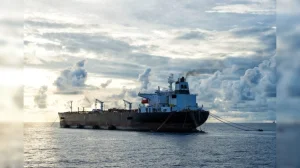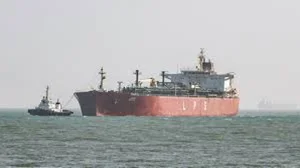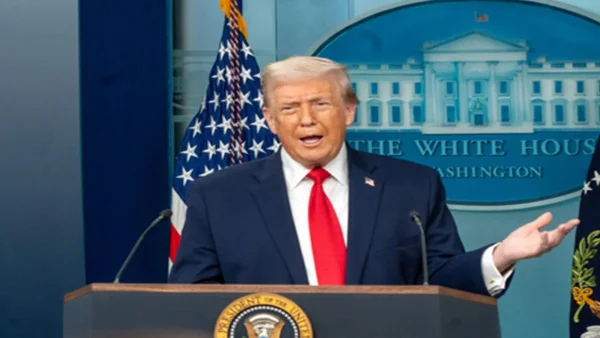
The administration is thinking about a temporary lifting of the Jones Act, the century-old law about shipping which means goods moved by water between US ports must be on US-built, US-owned, US-staffed and US-registered vessels. White House Press Secretary Karoline Leavitt stated the move would be looked at ‘for the good of national security’ to maintain energy supplies going to US ports, but no decision has yet been reached.
What the Jones Act needs, and why it is important
The Merchant Marine Act of 1920, usually known as the Jones Act, controls how ships work between US ports. Its rules limit which ships can move goods on the US coastline and between US areas – a safeguard created to keep up the US shipbuilding and maritime workforce.
Because not many tankers meet these requirements, the law reduces the number of ships available and raises the cost of shipping within the country. This restriction has received more attention as fuel supplies and refining are changed by world problems and local blockages.
The administration’s reason for a short-term lifting
People in the administration are thought to be looking at 30-day liftings, which would allow tankers flying foreign flags to move fuel from the Gulf Coast and other areas to East Coast refineries. The aim is to increase supply in the short term, and lessen the upward pressure on the price of crude oil and petrol linked to the conflict in the Middle East.
The White House presents any lifting as a national security exception, and not a lasting policy change. Short, targeted liftings could be easier to defend in law and in politics, while showing fast action to markets and voters worried about the price of energy.
The market and logistical effects of a short lifting
A 30-day lifting could increase the number of tankers, make inland distribution easier, and lower shipping problems which affect prices at the pump. In the near future, more imports to East Coast refineries could lessen reliance on long-distance deliveries and reduce sudden price rises.
However, practical limits still exist. Insurance, staffing, how well ports work with ships, and scheduling can slow the rate of extra shipments. A short lifting might not fully make up for wider supply shocks, and traders might only put a small amount of relief into prices if the measure looks short-term or is politically argued over.
Responses from those involved, and domestic politics
Maritime worker groups, American shipbuilders and local ports might be against liftings as threats to US jobs and long-held policy aims. Groups in the industry who benefit from the safeguards of the Jones Act are likely to ask for long-term answers, instead of short-term fixes.
However, energy producers, refiners and some people who defend consumers might welcome the flexibility which lessens price pressure. The political calculation will weigh protecting jobs against how voters react to petrol prices before elections – making the decision as much about strategy as economics.
World and company aspects of recent lifting decisions
Also, recent US lifting actions have affected world crude oil flows and company deals. One US Treasury lifting allowed some refineries to buy Russian crude oil loaded before a cut-off date, presented by the Treasury as a short-term step to lessen supply strains.
Reports state company involvement played a part in getting that lifting, and refineries quickly moved to buy tens of millions of barrels when the permission was in place. These developments show how business talks, energy diplomacy and rules about punishments can meet in complicated ways.
What is likely to happen, and what this means for energy policy
If the administration issues short-term Jones Act liftings, this could become a regular tool during energy shocks. People who make policy will face choices between short-term help for the market, and long-term aims for American shipping ability and security.
Markets will watch the official wording, how long the lifting lasts, and any details of how it is put into practice, closely. At the moment, the proposal is still being thought about, and its final effect will depend on when it happens, how wide it is, and how those involved in shipping, energy and politics react.