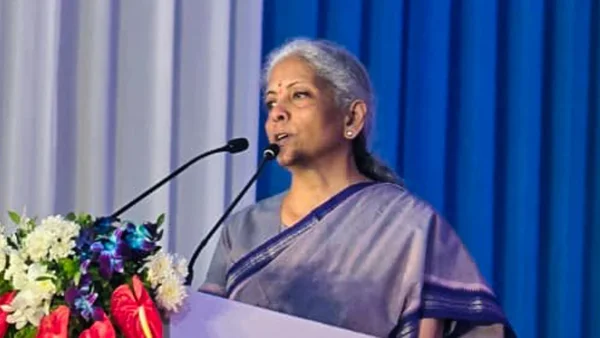
We are making a move to insulate our households and business community from the new cost pressures that the situation in West Asia has brought on, the Finance Minister said on Monday. “It is an economic shock,” she put it, “not merely a diplomatic one,” and stressed the work being done to contain the risks to inflation and keep things running smoothly.
Government priorities and forex rationale
At the 27th foundation day of Sidbi in Mumbai, Sitharaman made it clear where the government’s focus lies: in the protection of the citizen, the backing of MSMEs and the security of our exporters. She also put the Prime Minister’s push to hold on to foreign exchange in context, pointing to the steep import bills for energy, fertiliser and gold, none of which can be settled in rupees.
Then there is the question of revenue. The Centre has given up Rs 1 lakh crore in excise duty on petrol and diesel, she said, to take some of the weight off consumers and industry.
Fuel price moves keep pressure on wallets
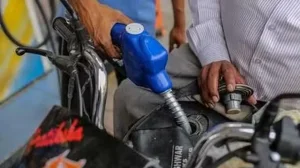
You see it in the numbers: on Monday, petrol went up by Rs 2.61 and diesel by Rs 2.71. It is the fourth time in 11 days we have had a hike. All told, since 15 May the price per litre is up by close to Rs 7.50, a lagging effect of the kind of crude oil prices you get when there is a conflict in West Asia.
What is driving the squeeze
For the minister, the rub is the high and fickle nature of crude. “The prices have been moving every week for the last 80-90 days,” she observed. Add in an out-of-the-ordinary rise in the cost of fertiliser and the premium on gold, and you have external forces ratcheting up the pressure.
She sees these as the near-term threats:
– More to pay for at the pump for the average person
– Shipping that is slower and more expensive
– A dearth of raw materials for those in manufacturing
– Strain on the working capital of an MSME
– A cloud of doubt over export orders
“You have to pay for your fuel, your fertiliser and your gold in foreign currency,” Sitharaman said. In a way, the ‘three Fs’ – fuel, fertiliser and forex – are the story of the strain we are under right now.
MSMEs, exporters and supply chains
When you have a cluster of problems like this, it can rattle the smaller players. “Put yourself in their shoes with all this coming from the West Asia side. How much uncertainty do they have to deal with? Can they even make a plan?” was her way of putting it.
So the government’s job is to reduce that. We want to see the supply chain in motion, some relief for working capital and as many of those export order flows intact as we can make them, she explained.
Resilience at home, volatility abroad
Sitharaman would have you know that at home, the economy is in good shape and has the resilience to handle it. But the disruption we are seeing is no small matter for us or for a lot of other nations.
Her point was unambiguous: we will stand by the citizens, the MSMEs and the exporters. We will preserve stability and be careful with our foreign exchange, because the import bill is both high and in flux.