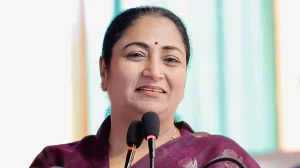
On March 24th, Rekha Gupta presented the budget for education in Delhi for 2026, as part of a total 1,03,700 crore rupee spending plan that puts education and health first. The Department of Education will get the biggest portion of the money, 18.6 percent (about 19,148 crore rupees), and several new programs promise to actually help students and their families.
Budget Priorities and Green Vision
Gupta called the 2026-27 plan a ‘green budget’ because 21 percent of the money will be spent on the environment. The government is trying to balance how much money comes in versus how much it spends, with 70.3 percent going to covering current costs and 29.7 percent for longer term projects to encourage growth and protect the natural world.
The budget expects the government to receive nearly 74,000 crore rupees in revenue and have 9,092 crore rupees left over. The city’s basic services are also important; 11,666 crore rupees is going to the Municipal Corporation for things like cleaning, roads, and local services.
Education Gets Major Funding and New Benefits
Education is getting the most money, as Chief Minister Gupta says schools are the center of the government’s investment in people. The state has put aside 200 crore rupees to construct new schools and 275 crore rupees to renovate the ones that already exist, to make getting to and learning in schools easier across the city.
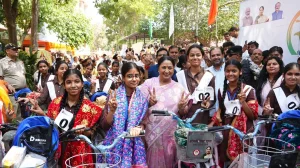
Specific help for students includes a plan to give every ninth grade girl in a public school a bicycle (costing 90 crore rupees). Students in tenth grade who do well will receive laptops, and 10 crore rupees is allocated for this. These are all designed to increase attendance, make students safer getting to school, and make sure they can use computers.
Smart Classes, AI Exchange, and Digital Education Push
The government has given 150 crore rupees to create ‘smart classes’ in all public schools, meaning classrooms with the technology they need. These classrooms will have interactive lessons, multimedia, and help teachers and students communicate more effectively.
An exchange program for Artificial Intelligence has received 18.5 crore rupees, showing that the government is starting to use AI in education and in training teachers. Along with the laptop program, the budget hopes to increase computer skills and prepare students for a future where technology is important.
Health, Welfare Measures, and Household Relief
Along with education, health is a major focus of the budget. Families will get two free propane tanks each year (around the times of Holi and Diwali) and 260 crore rupees is set aside to help families with the cost of celebrating these festivals.
The government is presenting these help programs as being careful with money and sustainable. By connecting help programs to the broader goals of protecting the environment, the government hopes to deal with needs now, while also improving public health and the climate in the long run.
Political Context, Public Engagement, and Implementation
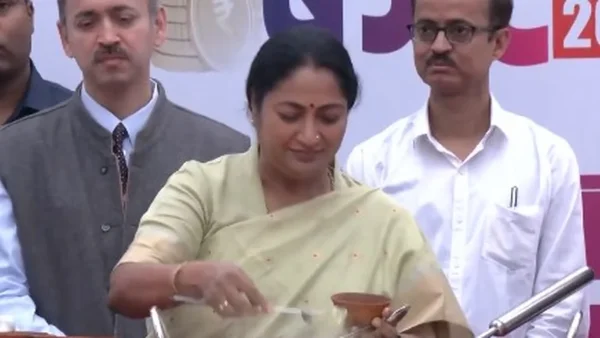
This is the second time Chief Minister Gupta has presented the budget. The day before the budget meeting, she had a ‘kheer ceremony’ (a traditional rice pudding dish) with school students and remembered Shaheedi Diwas (a day to honor sacrifices), showing her connection with families and respect for history. She was with several other ministers at public events.
In her speech, Gupta said that the current plan is different from what was done before, which she said encouraged people to expect things for nothing. She says this new way is careful with money and looks ahead, and stresses that we’ll be able to see the results in education, health, and the environment.
The 2026 Delhi Education Budget clearly says the priorities are: improving schools, closing the ‘digital divide’ with bicycles and laptops, and creating greener and healthier cities. Now the government needs to make sure things happen quickly, train teachers to use the smart classrooms, and check that the money actually leads to better learning and healthier towns and cities.