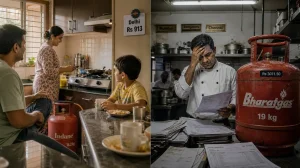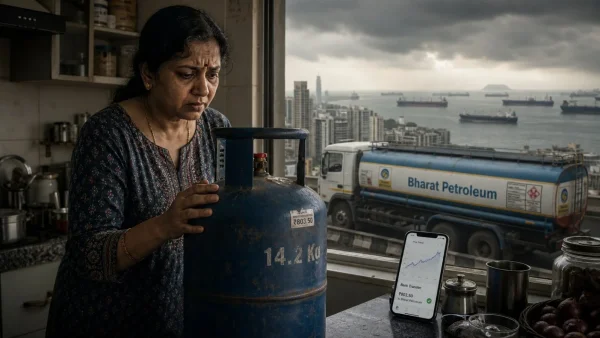
As of 14 June, the price tag on a 14.2-kg cylinder in Delhi is 942, a 29-point jump from 7 June. It’s the second time in three months we’ve seen this, and it has put state-run fuel companies in a tight spot. Even so, there is a lingering sense of unease over LPG, CNG and PNG following the steep domestic LPG increase we had last week.
Why prices moved and the bigger squeeze
If you ask an insider, the most recent uptick doesn’t fully make up for what oil marketing companies have been losing on every domestic LPG sale. Put simply, before this change, they were out of pocket by roughly 703 per cylinder. You have to factor in high international benchmarks and a subsidy that isn’t as much of a buffer as it used to be.
Then there is the matter of import costs, which are pegged to the Saudi Contract Price. That has gone up some 46 per cent since February on the back of trouble in the Gulf. The cost to put a cylinder in front of a household has now topped 1,600, and the government says it is on top of it – building up reserves and looking after the consumer where it can.
All of this is made more difficult by what is happening in the Strait of Hormuz. With a fifth of the world’s fuel exports running through that bottleneck, any disruption ripples through to crude and gas. Add in the way CNG and PNG rates have a habit of changing and you have a lot of uncertainty for city-dwellers trying to plan their monthly outgoings.
City rates today: key benchmarks for households
The 7 June hike was the last word on this for the moment; 14 June saw no new changes. If you want to know what you are paying for a 14.2-kg tank in the major metros, here is the rundown:
– New Delhi: 942.00
– Mumbai: 941.50
– Kolkata: 968.00
– Chennai: 957.50
– Bengaluru: 944.50
– Hyderabad: 994.00
– Patna: 1,031.50
– Thiruvananthapuram: 951.00
– Gurugram: 950.50
– Noida: 939.50
We also had a revision for commercial LPG back on 1 June, with steeper numbers in most places. Current 19-kg cylinder prices are as follows:
– New Delhi: 3,113.50
– Mumbai: 3,067.50
– Kolkata: 3,255.50
– Chennai: 3,283.00
– Bengaluru: 3,198.00
– Hyderabad: 3,367.00
– Patna: 3,400.00
– Thiruvananthapuram: 3,152.00
– Gurugram: 3,130.00
– Noida: 3,113.50
To give you an idea of the 1 June adjustment, Delhi saw a 42-point rise and in Kolkata it was 53.5. The 5-kg Free Trade LPG cylinder in Delhi has been put up by 11, to 821, for those with a smaller refill.
Policy in play: where the subsidy stands
The government is making some changes to see that support is in line with how people actually use their gas. Under the Pradhan Mantri Ujjwala Yojana, the annual quota of subsidised cylinders for a beneficiary has been cut from nine to four. “The new numbers are in step with what an average Ujjwala user goes through in a year,” says Praveen Mal Khanooja.
That doesn’t mean the 300 rupee subsidy on a 14.2-kg cylinder is going away. The government is still putting it straight into the bank accounts of up to 12 refills a year. It’s all about making sure cleaner fuel is within reach, even when the world gets a bit rough.
Union Minister Pralhad Joshi is sorry to see the price go up, but he says you can’t have it any other way right now. With sourcing options for LPG being what they are, and with the cost of moving and procuring it – not to mention the long transshipment times – the hike was a given.
What’s on the radar for ministers and the market
“Supplies of crude, LPG and natural gas are in good shape; there is no shortage in the country,” says Union Minister Hardeep Singh Puri. He points out that while some nations have seen their prices jump 70 or 80 per cent, in India we’ve come down 3.1 per cent from May 2022 to May 2026.
Will we see another change? Union Minister of State Suresh Gopi says it will come down to crude oil. That puts the focus on supply lines in West Asia and the security of our shipping.
Markets are getting ready for some inflation. A note from ICICI Bank Global Markets on 12 June 2026 has them pencilling in 5.0 per cent for FY27 (with core at 4.6), and a 50-75 bps rate hike is in the offing, what with the monsoon being less than normal and the situation in West Asia.
How this lands for the end-user and the retailer
Households can take some solace in the fact that rates as of 14 June haven’t moved, at least for the moment, after the 7 June increase. But with CNG and PNG in flux and the commercial side of LPG having its own adjustments, your energy bill is still going to be at the mercy of what’s in the news.
State-run retailers have had a little make-up on the domestic front, but they are still not fully in the clear on under-recoveries. “The recent move only goes so far in closing the book,” one in the industry put it.
The government’s line is that it is trying to have it both ways: secure the supply and protect the consumer. Then again, with the Saudi Contract Price up some 46 per cent since February and no fix in sight for the Hormuz, the next time we see a reset will be a matter of how the rest of the world plays out.