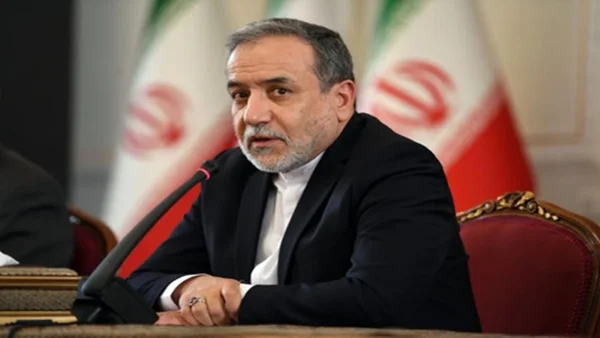
It has been a week of clear signals from Iran, moving from the field to the table. On Monday, Foreign Minister Abbas Araghchi put it plainly: the war is over, and we are set for final talks with the US on Friday. The memorandum is at the heart of all this and will be in effect by then.
What Iran says changed on Monday
Speaking to some in Tehran, Araghchi made it known that an accord with Washington was put in place on Monday, which he sees as the de facto end of hostilities. When the memorandum is formally put in motion on Friday, it will set the stage for what comes next.
Then there is the matter of Israel. After Trump made the deal public on Monday, Prime Minister Benjamin Netanyahu made his own point: he has no intention of pulling out of Lebanon. You have to read that as a headwind for how this understanding will be put into practice.
Talks timeline and who is at the table
Araghchi at first put it as a ‘likely’ scenario for a new round of US negotiations to start on Friday, venue TBA. He has since put a pin in it: the push for a nuclear deal will be in Geneva on Friday.
You can count on US Vice President JD Vance to be in Geneva for the ink on the paper. As per the terms Iran has put out, once the framework is done, the two sides have 60 days to work out a more comprehensive deal covering the nukes, sanctions, and any frozen assets.
Lebanon front is the pressure point
In Tehran’s telling, Lebanon is where the rub is. Araghchi has made it clear that putting an end to the trouble there is part of the package, and any Israeli footprints left in the country would be a violation.
‘We will never accept’ another Israeli strike on Lebanon, he said. To make the lines of responsibility clear, he put it this way: ‘The US and Israel are one side; we and Hezbollah are the other.’
From what we’re hearing in Iran, the Israelis are still in the air over Lebanon and have the south in their grip. They say they mean to stay and raze some towns, and have forced out well over 600,000 people with no way back in, according to Iranian figures.
What the framework sets in motion
Make no mistake, Friday is the day: the memorandum goes live and the Geneva session starts. For the Iranians, having those two happen in tandem is how they plan to cement a cooling off and move toward a conclusion.
Here is what Iran has on its list:
– The signing in Geneva on Friday
– The memorandum in force
– 60 days to see if a wider deal can be made
What to watch next
The question on everyone’s mind is if Netanyahu’s intransigence on Lebanon will scupper the whole thing. Araghchi is on record saying that any more of the same from Israel is a breach, so you could have the letter of the agreement clashing with reality.
That’s the way Araghchi sees it: the US and Iran will be measured in Lebanon first. With the talk in Geneva starting up, the handling of those clauses may well be what makes or breaks the 60-day run to a final accord.
He has made much of the coming days in terms of what it means for sanctions and the nukes. Now we will see if the room for manoeuvre they created on Monday can hold up against the kind of regional friction we are already seeing.