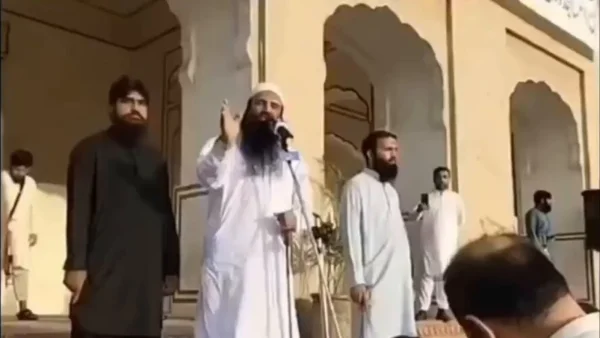
Qasoori, the LeT deputy and the man top Indian intelligence puts in the frame for the Pahalgam attack, has put it bluntly – any Pakistani leader who goes down the road of recognising Israel will be put out of the way. It is an escalation that brings the threat of the fringe right into the heart of the policy debate at a time when we are re-examining our place in the region.
You can read his words in a post that has been making the rounds online. He is said to have told the leadership in no uncertain terms: try to make peace with Israel and you will be assassinated, ruined, destroyed. The kind of talk that is meant to put a price tag on even talking about ties with the Jewish state.
Then there is the matter of faith. Qasoori made it clear in his speech that the Muslim world will “never, under any circumstances” have anything to do with Israel, which he called “a bully, a terrorist, and the world’s biggest thug.” It was a way of saying there is no room for manoeuvre for any Muslim government that might want to change course.
Why the warning matters now
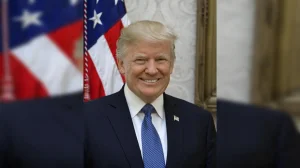
It is not just noise; it is well-timed. Islamabad has only recently put its foot down on US President Donald Trump’s overture for Muslim nations to come on board with the Abraham Accords. Pakistan’s position has not wavered: no recognition until there is a Palestinian state of its own.
That is what has some in the region on edge. When the words of a known extremist and the official word from the state start to sound the same, it gives you pause. Hardline narratives are becoming part of the political vernacular in Pakistan.
Indian security types see it as more than a rant. They are seeing a pattern of cross-border radicalism and believe it is a calculated move to put jihadist thinking at the centre of regional politics.
Extremist framing of Pakistan-Saudi defence pact
Qasoori is also trying to make a case for his side by pointing to the military might of Pakistan and its bond with the Saudis. With the 2025 defence pact in mind, he says it has put us right on Israel’s door step.
“We were 4,000 kilometres from Israel. Now, with all the power and technology to wipe out the enemy, we are 400 kilometres away,” he put it. In his view, Pakistan is the "defence leader of the Islamic world” while the Saudis are the ones with the spiritual and ideological clout.
Indian intelligence assessment
According to those in the know in India, it is all a show of force where there isn’t really one to be had. In their view, the speech is an effort to put a new spin on strategic cooperation, one that is anti-Israel and plays into the hands of those doing extremist recruitment and propaganda.
There has been some pushback from officials over the 2025 Pakistan-Saudi defence deal. “This is a wide-ranging framework for mutual security, not a licence for offensive action 400 klicks from Israel,” sources have been at pains to point out.
What Islamabad is saying
Qasoori’s hard line comes as Pakistan is making no bones about its refusal to acknowledge Israel in the absence of a Palestinian state, a stance it has re-asserted since Washington made overtures for more signatories to the Abraham Accords.
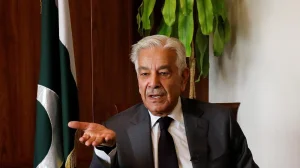
Then there is Defence Minister Khawaja Asif, who has put down any talk of Muslim-majority nations coming on board with the US and Iran. “I don’t see why we should be part of an accord that runs counter to our core values,” he put it.
Some find the tone of these messages disquieting. You can make a case for the state’s position being a matter of diplomacy and the Palestinian issue, but when it starts to sound like the kind of black-and-white thinking you hear from extremists, it doesn’t leave much room for a sensible discussion in the political arena.
Here is what is at play for those making policy:
– A move to put a stop to any normalisation
– The rebranding of defence relations as something more aggressive
– Rhetoric from the top that is in step with the hardliners
Looking ahead
With his latest remarks, Qasoori is upping the ante on any dealings with Israel, both at home and in the region. And by singling out kings and rulers, he is also sending a warning to leaders in other countries.
Security hawks see this as a reminder of how figures with terror ties can still use the internet to put the state in a corner. It is an old problem: how to put down a narrative that lumps your security pacts in with sectarianism.
New Delhi is watching. Indian officials are on guard for any story that has Pakistan looking like it is ready to make a move “400 km from Israel” – the sort of thing non-state actors could use as an excuse to ratchet up tensions.
So in the coming weeks, we will be looking for some clarity from Islamabad. There is a need to draw a line between the country’s diplomatic line on Palestine and the kind of absolutist language that can be misused. Part of that means setting the record straight on the Saudi pact and not leaving openings for militants to run with.
It is a bit of a thorn for Riyadh, too. To be seen as the “ideological head” of a military front against Israel is not a comfortable spot for a kingdom trying to keep its regional house in order.
In the end, it is a well-worn conundrum for Pakistan’s foreign policy. You can hold to your traditional views on Palestine, but if your words are co-opted by the very people who say they own the national security agenda, you have a problem. How you handle that will tell you a lot about where the country is headed.