A new place where war could start in Western Asia has really driven up oil prices, with Brent going over its recent highest levels, and is again bringing up tough questions about India’s energy security. India gets over 85 percent of its crude oil and about 50 percent of its LNG through imports, so it is still very much open to shocks in supply and changes in price.
Why the Strait of Hormuz is important to India
The Strait of Hormuz – a very narrow body of water – is the most important place in the world where oil is shipped. About a fifth of all crude oil and LNG in the world goes through these waters. For India, the situation is serious: it is thought that from 50 to 60 percent of the crude oil imports, and about half of the LNG, goes through the strait.
The risks of things being stopped are not just ideas. The risk of war has already made shipping insurance more costly, and going around Africa – by way of the Cape of Good Hope – would add days to journeys, raise the costs of shipping and insurance, and put a strain on the number of tankers available. These problems would make the effect of higher crude oil prices on the final costs even worse.
Experts say that while Iran makes up only a small amount of the world’s oil supply, the real problem is the risk of things being shipped being stopped. Any long stopping of Hormuz would make both crude oil and LNG less available and keep the prices that are used as standards high. This would, in turn, cause problems for India’s bills for imports, keeping down inflation, and the profits companies make.
What could happen in the market is very wide. If things get less tense, crude oil could settle in the mid-60s to low-70s next year. But if fighting goes on, or shipping lanes are attacked, prices could go over 90 dollars a barrel, and in the worst cases of a full stop to shipping, crude oil could go to over 100 dollars. OPEC+ is planning a small increase in production from April, but there is not much spare capacity outside of Saudi Arabia and the UAE.
Broad economic risks: inflation, the rupee, and the current account
Oil is the quickest way that world political events affects India’s economy as a whole. Each 1 dollar that crude oil goes up by usually adds about 2 billion dollars to the yearly bill for imports. A 10 percent rise in oil prices has, in the past, made the current account deficit wider by about 0.4 percent of GDP.
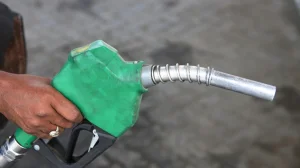
How sensitive things are to inflation is also going up. Earlier guesses show that a 10 percent shock to oil can raise the general level of prices by about 30 basis points, and the newest CPI basket has a higher amount together for petrol and diesel than it did before. If the higher prices at the pump are passed on, the effect on inflation gets faster; if not, the government’s finances come under more pressure.
Growth is not safe from this. Research by the central bank has linked a 10 percent rise in oil to a 15 basis point pull on GDP growth. The rupee, at the same time, often gets weaker as demand for dollars goes up to pay for imports, making inflation from abroad even worse. If world fear of risk causes investors from abroad to sell off their investments, problems with the balance of payments can build up quickly.
The basic guesses for the current account are still okay if crude oil averages near 65 dollars. But that safety net gets smaller as prices go up. The real test is whether oil stays high for long enough to force hard choices between keeping down inflation, the government’s priorities, and the speed of growth.
How much risk there is to Indian companies in different areas of the economy
Spikes in energy prices do not affect all areas of the economy in the same way. Oil marketing companies face immediate loss of profit margins when Brent goes up and the prices of petrol and diesel sold to the public are slow to change. Without quick changes in retail prices or changes to taxes on fuel, the gross marketing margins of OMCs can go down by more than Rs 0.50 per litre for every 1 dollar rise in crude oil.
The airline industry is tied to both jet fuel and the reality of airspace. Indian airlines have a lot of business in the Middle East in their international networks, and changing routes or cancelling flights can lower how full the planes are while fuel costs go up. Airports with a lot of links to West Asia and Europe face risk to the amount of traffic and the money they make from business.
Logistics and ports are open to changes in ocean freight and any fall in the amount of Gulf oil tankers, LNG, and container ships. India’s imports and exports have a deep connection to the MENA area, so any long stopping of things can spread through the amount of goods going through ports and supply chains.
Businesses tied to gas feel the pinch if LNG gets tighter. Gas companies which distribute city gas, bring in LNG, and run pipelines, will likely have to pay more for the materials they need, and may sell less gas. If world prices for urea and ammonia – things fertilizer makers use – go up, particularly when gas prices that are used as a standard go up too, fertilizer companies will have to deal with rising costs for the subsidies they provide.
Construction and capital goods companies that have a lot of work scheduled in the Gulf region could have trouble completing the work, experience delays in getting paid, and find that their clients change their priorities to deal with getting energy and keeping their finances in order. Industries that send out a lot of goods also will have to pay more for shipping, and may have trouble with delays in getting things sent, which would lower their profits and make it harder to meet delivery dates.
Companies that sell to consumers and make drugs – those that get 5 to 10 percent of their money from this area – may see demand that is not steady, and have trouble getting money that is owed to them. Car exporters, tire makers, paint companies and tile makers are all at risk from increasing costs of the raw oil needed to make their products, and from having less ability to pass on those costs to customers. But one area that is clearly different: companies that sell to the military could do well, because of the continued need to buy things for defense, with the risk of problems with other countries being so high.
What to do about energy security: quick actions and policy choices
New Delhi is now being very careful, and the energy ministry is looking at how much crude oil, LPG, and petroleum products are available. People in charge have said they are prepared to use all the methods they can to make sure there is enough fuel and that it is affordable – this includes finding new sources of supply, managing what is already stored, and carefully adjusting the prices at the pump.
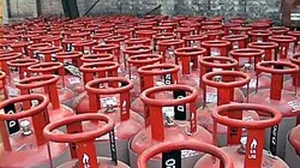
In the short run, the things they can do are to use the country’s strategic petroleum reserve if needed, get crude oil from many places – West Asia, the Americas, and Africa – and hedge against risk when they can. For LPG, making sure there are contracts, that shipping goes well, and that subsidies are paid on time will help protect people if prices go up on the world market.
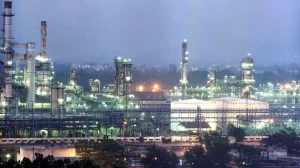
Oil refineries can use their ability to handle different kinds of crude oil, and send out more products, to keep their profits steady. If Brent crude stays above 80 dollars a barrel, people who make policy may think about a mix of changing retail prices and using taxes in a certain way, to balance the problems of inflation and keeping the government’s finances in order. It is very important to work closely with insurance companies and shipping companies to make sure goods keep moving.
Speed up the move to other sources of energy to lower dependence on oil
This problem makes it very clear that there is a long-term need: to lower how much oil the country uses. Making transport more electric, building up the infrastructure for charging, and making rules for fuel use stronger can slowly lower how much gasoline and diesel are needed. Mixing ethanol into gasoline can give short-term relief for gasoline; making freight and rail transport electric can slowly lower how much diesel is used.
In the area of electricity, really focusing on renewable energy, battery storage, and making the power grid more flexible will lower reliance on gas-fired power plants that are only used when demand is high, and lower the risk of having to import fuel. Ways for industries to lower the amount of carbon they produce – including using electricity, doing pilot projects with green hydrogen, and updating old equipment to be more efficient – can lower how much they are affected by the wild swings in the prices of hydrocarbons. Expanding access to city gas and increasing how much gas is produced in the country will add to the country’s ability to withstand shocks.
Effects on trade, farming, and money sent home from workers abroad
How much the country trades with others makes the stakes higher. West Asia is a large part of India’s exports of goods, the money sent home by workers, and the amount of goods that go through its ports. Problems with payments, delays in shipping, or problems with sanctions could affect exporters of engineering goods, chemicals, consumer products, and more.
Farming is not safe from this. Iran and Iraq are big destinations for Indian basmati rice, together taking more than 2 million tonnes and worth over 2 billion dollars in recent years. If things are uncertain for a long time, shipments could be delayed, banking channels could be blocked, and prices could be put under pressure. People who export tea face similar problems with getting things shipped and getting paid.
The money sent home by workers from the area is very important for helping family incomes and the country’s balance of payments. Any disruption in the job market, even a short one, would have second-order effects on what people buy and save in the country.
What to expect: important numbers and what to watch
Three things will set the tone for 2026: whether the Strait of Hormuz is open, whether the OPEC+ group of countries continues to limit supply, and how much risk of war is included in the prices of shipping and insurance. If Hormuz stays open and the risk of problems with other countries goes down, crude oil could go back to 65 to 70 dollars a barrel.
If problems continue, India should be prepared for Brent crude to be in the 90 to 100 dollar range, with more wild swings in price and times when there is not enough LNG. If things get to the point where shipping through the strait is stopped for weeks, the country would have to make harder choices about prices, taxes, and subsidies, and inflation and pressure on the rupee would get worse.
Businesses can get ready by testing their budgets with many different crude oil prices, making sure they have the important materials they need, managing their stores of goods, and finding new markets. For people who make policy, the short-term goal is to keep things going and keep prices steady; the long-term goal is very clear: to speed up the move to a system that permanently lowers India’s exposure to shocks from imported oil.
As oil traders reassess risk and ships go through narrow waters, India’s path to growth again depends on a strait thousands of kilometers away.