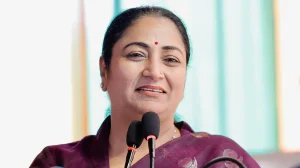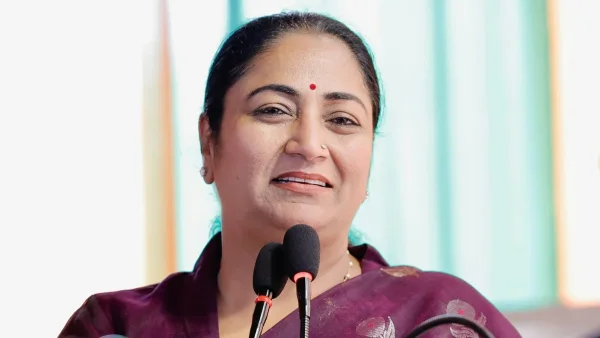
On Friday, Chief Minister Rekha Gupta started the 300 new electric buses, which makes the Delhi Transport Corporation have 6,100 vehicles. This is a significant advancement in the city’s plan to switch to electric buses and cut down on pollution. According to officials, this will improve how easily people can finish their journey and will shorten how long it takes for people who travel to work every day.
Fleet expansion and emission targets
These 300 buses get the DTC closer to being completely electric, and over 2,000 electric buses have been added in the last year. Gupta has again stated the government’s plan to change the entire DTC bus fleet to electric vehicles, but do it in stages.
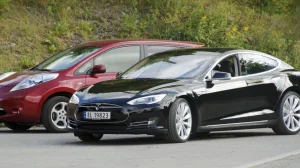
Officials point out the benefits for the environment that come with having more electric buses. They don’t produce any exhaust, and they can lower the amount of small particles and NOx (nitrogen oxides) that pollute Delhi’s air, which is a long-term problem.
Planners think that using electric buses will lower the price of fuel for running the buses and improve air quality over time. However, the change will need continued spending on places to charge the buses and the ability to fix them.
Operational improvements and commuter benefits
The new buses are meant to make it easier to get to and from places all over the city and in the nearby towns. People in charge say that buses that are faster and more dependable will help people use their own cars less and reduce traffic jams.
Gupta also started an interstate bus route connecting Nanaksar and Ghaziabad to give people more options for getting around the region. This new route is meant to make a smooth connection for workers and students who go between neighboring areas every day.
At the same event, the Chief Minister began construction on a new DTC office building. Officials say this new building will make the administration run more smoothly and will support the larger and more complicated electric bus system.
Financial support and subsidy disbursement
The government has restarted the website for getting electric vehicle financial assistance and announced that it will give out assistance that is already owed. Officials will send 24 crore rupees in delayed assistance to 12,877 people directly to their bank accounts.
Finally giving out assistance that has been owed for a long time can make the electric vehicle market more stable and get people and businesses to switch to electric vehicles. This money helps companies that make, sell, and use electric vehicles plan their purchases and improvements to their bus fleets.
Gupta emphasized that the financial steps are intended to lower the losses of the DTC and make public transport more able to continue. As the bus fleet gets bigger, managing the financial assistance and the money used to run the buses will be very important.
Charging infrastructure and operational readiness
Officials have also said they are working at the same time to expand the places to charge electric vehicles throughout the capital. Getting more charging at the bus depots and public fast chargers will be necessary for buses to run all day and all night.
Being ready to operate the buses also means having maintenance workers who have been trained and an updated system for how the bus depots are run. Moving to electric buses changes how much energy is used and how often maintenance is needed, when compared to diesel buses.
To make sure the buses are running, planners want to coordinate the times when the buses are charged, how much the depots can hold, and how they connect to the power grid. Spending money on smart charging and managing energy will lower costs and prevent overloads.
Policy context and administrative priorities
Gupta used the start of the buses to show how much her government focuses on environmentally friendly transportation and providing public services. She said the previous government focused on making promises but not actually doing them, but her government is taking action to switch to electric and improve last-mile connections.
The event included important officials and local representatives, which shows that politicians support the transportation plan. People who are watching say whether the plan to switch to electric buses is successful will depend on continued money, giving out assistance openly, and managing the projects well.
As Delhi adds more electric buses, officials will have to deal with many difficult technical, financial, and administrative issues. But if it’s done well, it could give millions of commuters cleaner air, lower costs to run the buses, and a more modern public transport system.