The 3.24 lakh crore rupee budget for the year 2026-27 prioritizes development in both towns and the countryside, infrastructure, and support for residents. They intend to spend 2,34,406 crore rupees on normal government expenses and 47,267 crore rupees on creating things like buildings and roads (which is a much bigger investment than right now, and will mean more spending overall).
Overview of the Budget
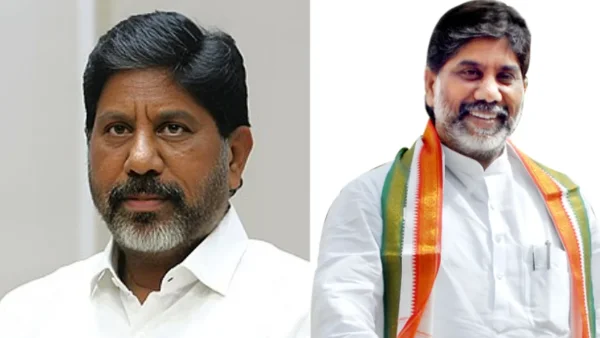
Deputy Chief Minister and Finance Minister Mallu Bhatti Vikramarka says this budget is designed to help people and to finish important projects that are already underway. It’s almost 20,000 crore rupees bigger than last year’s, because the government is investing more in things like farming, healthcare, and city infrastructure.
The state is really focusing on things like making the Musi River look nicer, and continuing work on phases 2 and t3 of the Hyderabad Metro Rail. This matches what the government has said they want to do: have obvious improvements to infrastructure along with social programs and jobs.
Fiscal Targets and Revenue Sources
The government thinks it will receive 2.41 lakh crore rupees in total income, which is around 20% more than they’re currently expecting for this year. They expect to get 1.48 lakh crore rupees from taxes, roughly 10% more than they’re currently expecting.
They’re predicting 35,730 crore rupees from sources that aren’t taxes, which suggests the state might sell land to bring in more money. They’re expecting 33,181 crore rupees from the central government’s taxes, and 24,166 crore rupees from the central government as grants or contributions.
Borrowing and Debt Profile
Telangana is planning to borrow a large amount of money from the market, 73,383 crore rupees. They will borrow another 5,500 crore rupees from the central government and 1,000 crore rupees from other places. In total they will borrow close to 80,000 crore rupees for the year, almost 25% of the money they think they’ll get from all sources.
Paying interest on all that borrowing will cost a lot, 21,304 crore rupees. The budget shows a deficit (spending more than coming in) of 59,458 crore rupees, and the ‘primary’ deficit (without the interest payments) is 37,154 crore rupees. The total amount of money the state owes is almost 6 lakh crore rupees, and so they need to find a way to balance building and improving things with being financially stable.
Sectoral Allocations and Priorities
33,688 crore rupees is being given to Panchayat Raj and Rural Development, showing how important programs like MGNREGS and road repairs in villages are. Education will get 26,674 crore rupees, and 22,615 crore rupees is for irrigation, to finish projects that haven’t been completed.
17,907 crore rupees has been given to Municipal Administration and Urban Development, to support the organizations that are in charge of city projects and expanding the metro. Farming will receive 23,179 crore rupees, energy 21,285 crore rupees, and the Medical and Health Department 13,679 crore rupees. These amounts show the government wants to both make visible improvements and support important social services.
Economic Performance and Outlook
The estimate for Telangana’s Gross State Domestic Product (the total value of everything made in the state) for 2025-26, at current prices, is 17.82 lakh crore rupees, which is 10.7% more than last year. People’s income (per capita income) has risen to about 4.18 lakh rupees, and is a lot higher than the average for the whole country.
The Finance Minister believes Telangana is growing faster than the country as a whole, and that the government’s plans are helping it to continue to do well. However, the high amount of borrowing and the cost of interest will mean the government has to manage its money carefully, to make sure things are stable in the medium term, and that they can still build infrastructure and provide welfare.
This budget combines a lot of spending on construction and big projects with money for specific social programs. Those in charge of the budget will have to keep a close watch on how much money comes in (especially from things other than taxes), and manage the debt, so that the spending plans actually lead to lasting growth and better services for the people of Telangana.