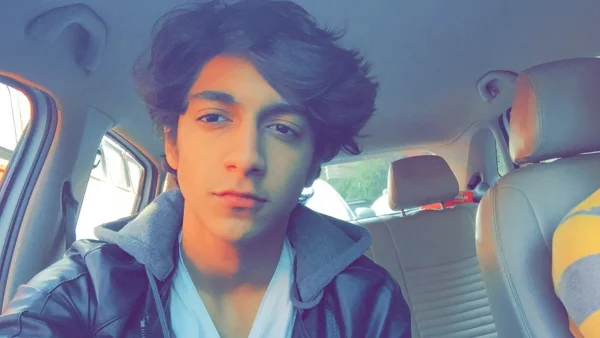
Ahaan explained that the problem began with a snowmobile crash, which gave him a shoulder subluxation. This made it hard to move, and caused him pain all the time, and it was difficult to train regularly when he started to be offered better, more demanding roles. He was forced to plan his work around the ongoing lack of stability and the discomfort.
The condition isn’t just a little pull; a shoulder subluxation can keep knocking the joint out of place and harming the soft tissues. For an actor getting ready for action scenes, a lack of stability means less power and a higher risk of being injured again. Ahaan said the issue slowly made it impossible for him to do lifts and controlled movements.
Deciding on surgery, even though it was risky
After Saiyaara, Ahaan decided to have surgery to make the shoulder stable again. He called the operation ‘one of the worst surgeries you can have’ and said that getting better would take a very long time. Doctors told him his body would ‘go back to zero’ – he’d have to build up his muscle, flexibility and stamina from the very beginning.
Knowing this, he thought about whether to choose short-term attention, or long-term health. Ahaan chose the surgery because it gave him the best chance of doing action work safely. That meant patience and a long plan for rehabilitation, instead of going straight back to the gym.
Months of recovery in plaster, and private healing
He was in plaster for months while the bone and soft tissues got better – a time he mostly kept to himself. Ahaan was surprised that people didn’t notice he wasn’t appearing in public. A few of his fans asked his mother, Deanne Panday, who is a supporter of fitness, why he’d lost weight, but the actor stayed away from social media during that difficult time.
While he was getting better, he did the controlled physiotherapy and slowly increased his strength work, as the doctors allowed. At first, he focused on being able to move and controlling the pain; later he concentrated on getting his full range of movement and the practical power he needed for falls and difficult training. It took a lot of discipline and careful speed.
Getting strength back for an action-romance
Ahaan says the process wasn’t about losing or gaining weight to look good. He wanted to ‘go from being injured and not being able to move, to being strong and being able to lift’. His training now is for strength that will last, movement, and avoiding injury, so he’s ready for a new film, directed by Ali Abbas Zafar, and with Sharvari.
Now he’s training again, Ahaan seems to be making a professional return from a painful problem. He stresses being able to recover, and sensible training, and doesn’t want to take unhealthy shortcuts. The actor hopes his story of recovery will encourage others who are having rehabilitation, and show that careful rehab can bring back ability and confidence.
What’s next: fitness, parts, and being in public
As he prepares for action and romantic scenes, Ahaan plans to balance changing how he looks with being really ready. He’s learned to give long-term joint health more importance than quickly changing his body. This way of thinking should help him do the stunts, and have a long career.
People can expect a more careful actor, on and off screen. Ahaan's experience shows the physical effort often hidden behind changes actors make for films, and gives a real idea of what it takes to come back from a serious injury. His return will be interesting to watch, for his skills and his ability to recover.