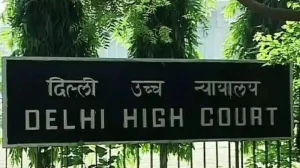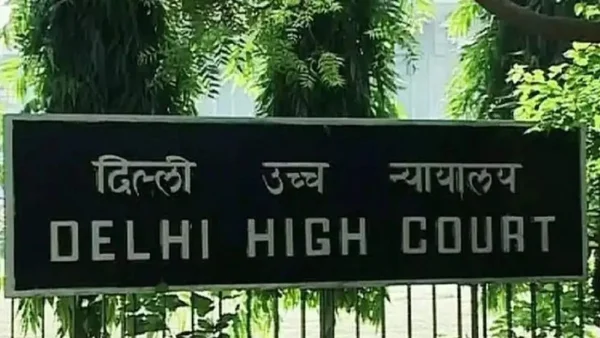
The right to an education isn’t the right to pick a certain school, the Court explained on March 25th. The Right to Education Act is meant to help all kinds of kids get included in the system, but it doesn’t mean a child automatically gets a spot at a particular private school.
Legal Context and Purpose of the RTE Act
This Right to Education Act is a good law that’s supposed to give all children free, required elementary school and to bring people together, removing barriers of caste or ethnicity from schools. It wants schools to be places where everyone is treated equally.
Essentially, the law and the Constitution guarantee access to schooling, not a preference for a particular building. A right to education is about education being available and everyone being treated the same, not having a personal right to choose a school within the EWS system.
In Delhi, the Directorate of Education manages EWS admissions with a random draw; this is how seats are given out at private schools that don’t get government funding, and it’s done under the watch of the government.
Background of the Case and Single-Judge Order
The case was about a mom who wanted her child into 2nd grade at a specific private school for the 2024-25 school year using the EWS category. She’d already applied for 1st grade at the same school for 2023-24, and had been entered into the EWS draw.
A lower court judge first said the private school didn’t have a good reason to turn the child away in t 2023-24. However, the judge wouldn’t force the school to admit the child the next year because the 2023-24 school year was over, and courts generally don’t continue a solution into the next school year.
That judge said that any 1st grade EWS seats that weren’t filled should be saved for 1st grade the following year. Any EWS student could get those seats, as long as they applied correctly for 1st grade.
Despite this, the mom appealed, saying her child should get into 2nd grade at the same private school for 2024-25, because she had been turned down before and had been chosen in the March 2023 draw.
What the Division Bench Decided on Appeal
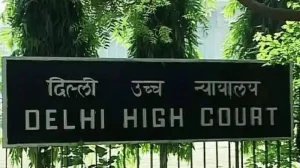
Chief Justice D K Upadhyaya and Justice Tejas Karia agreed with what the lower court judge had said and refused to give the mom what she asked for. They said that if you don’t have a temporary order saying the school must hold a place for the child, any claim to a spot disappears when the school year ends.
When the private school said no, the Directorate of Education found a place for the child at a different school. This other school was one the parent had said she’d be okay with during the application process, which is how the draw system works.
The parent didn’t take that other spot, the court added. And during the appeal, someone from the Directorate of Education said the child could go to any public school, but the mom said only the first private school would do.
Because of all this, the court said the right to an education isn’t the same as the right to choose a specific school. The social goals of the Right to Education Act don’t create a legal right to a particular school within the EWS admission process.
Implications for EWS Admissions and Private Schools
This ruling makes certain important things clearer. First, choosing students for EWS spots through the draw is a way of fairly dividing things up across the whole system. If the private school you chose says no, acting quickly and accepting a suitable alternative is important to protect your rights.
Second, courts don’t like to tell a school to admit a student after a school year has finished unless there was a temporary order in place. This timeline is to stop arguments going on and on and messing up the school year, and to make sure schools know how many students to expect.
Third, private schools can’t make up unfair rules to postpone or deny EWS seats. Saying EWS admissions have to wait until all the students who pay full price are in is against the law. But, even if a school wrongly denies admission, the solution has to happen quickly and within the set timeframe, and there has to be a place for the student.
Lastly, “carry-forward” rules work for each grade level. Unfilled EWS seats in 1st grade are available for 1st grade the next year. They don’t automatically mean the student gets a place in a higher grade (like 2nd grade) unless the rules specifically say they do.
Guidance for Parents and Administrators
Parents need to be mindful of timing. If a school turns down a student after a fair draw, act quickly and get a temporary order to protect the seat during the legal process. Without that protection, a court might say the claim is too late.
Keep all communication with the school and Directorate of Education (notices, logs of visits, waiting list details, proof of checking) – this will make any case about unfair denial or delay stronger.
Be willing to accept a different school from your list of preferences, or a public school if one is offered. Courts are likely to say this is fulfilling the right to an EWS education.
People who run the education system should clearly explain when things happen, how checking is done, and the results of the draw. They should make sure private schools follow the EWS rules and that any carried-over seats are clear and available to families who qualify.
The Delhi High Court has very clearly stated that the right to education guaranteed by the Constitution and the law is the right to an education, not the right to a specific private school. By emphasizing the importance of following the process and sticking to the schedule, this ruling is meant to make sure kids can get an education, help all kinds of children get included, and make the admission process more stable from year to year.