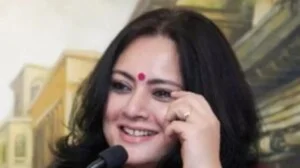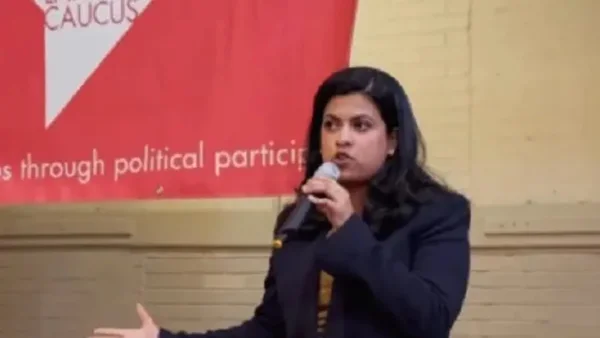
Born in Theni, Tamil Nadu, Rini Sampath is the first South Asian woman to get her name on the ballot for DC Mayor. She came to the US with her family when she was seven and now, at and a half years old, is running her campaign around 'Fix the Basics‘ and promising to make the everyday things the city does for its people function properly.
Early life and personal motivation
Rini Sampath says her family’s story is the reason she wants to work in public service. Her father brought the family to the US for more opportunities, and she looks up to her grandfather as someone who showed her what it means to have a sense of duty. These influences are a big part of her campaign which focuses on actually getting things done rather than just political arguments.
She’s lived in Washington DC for over ten years. Being an immigrant is a key part of what she’s saying to voters; she’s running to make sure the American dream is possible for people in the city, and for communities who haven’t been given much attention.
Education and professional background
Rini Sampath went to the University of Southern California and in 2015 was president of the student government. There, she spoke up for student safety and making sure there were people from many backgrounds. Her time as a leader on campus made people aware of problems with racism and harassment and influenced how she talks to the public.
She currently works for the government as a contractor in cybersecurity and is the director of Tharros. Her LinkedIn profile shows she studied international relations and security, and she stresses she has a history of making government programs and services for citizens better, as opposed to having held a traditional political position.
Campaign priorities and ‘Fix the Basics’ agenda
Rini Sampath’s campaign is focused on actually fixing things in the city: repairing potholes, stopping sewage overflows, making the cost of living lower, and getting faster responses from 911. Her plans are to make people trust the local government again by concentrating on the essential services that affect people’s lives every day.
She’s presenting herself as someone from outside the usual political circles and not owing anything to groups with special interests. Rini Sampath showed she has a lot of public support by getting more than 4,500 signatures on petitions to get on the ballot and is using money from the city’s Fair Elections program for her early fundraising.
Historic ballot entry and community impact
Being the first person of South Asian background to get on the ballot in a DC mayoral election is important for a city as diverse as Washington DC. Rini Sampath hopes her being a candidate will encourage more South Asians and other groups who haven’t been represented to run for office and be more present in city hall.
Her running for office is part of a larger movement of more South Asians becoming involved in local politics in the United States. It also adds some new voices to a city where the Democratic Party is so strong that the winner of their primary election is almost always the next mayor.
The competitive field and what to watch
Rini Sampath is joining a Democratic primary with many people running, including current and former members of the city council: Janeese Lewis George, Kenyan McDuffie, Vincent Orange, Yaida Ford, and others who have political connections and are well known.
To see how things go, look at how much money she raises, how she gets her message to voters in different areas, how she does in debates, and if voters who are unhappy with broken infrastructure and poor services like her ‘back to basics’ approach. This election will show if a candidate who isn’t part of the established political system can beat those who have a lot of experience.
Rini Sampath’s campaign combines her own experience as an immigrant, her professional skills in government, and a clear plan for dealing with the most important needs of the city. As the election for mayor in 2026 gets closer, her run for office is a significant moment for having more people represented and brings up important questions about what the next mayor will prioritize.