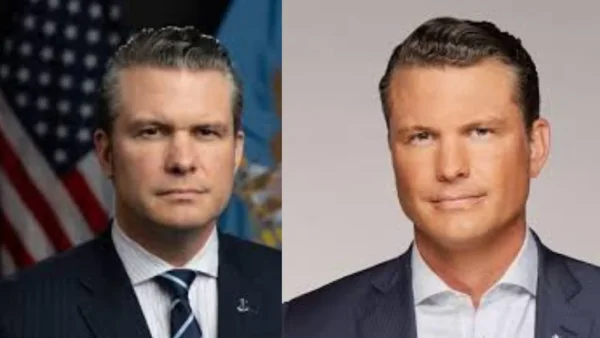
Secretary Hegseth is being very closely examined internally because of this recent changing of Army leadership which included the sudden dismissal of General George. People in the government say Hegseth’s fears of losing his own job were a big reason for the changes in personnel and it makes people question how decisions are being made at the highest levels of the Department of Defense.
Context of the Army leadership changes
General George was told to resign without the public being told why, and this happened at a time when things were already tense in many parts of the world. At the same time, two other important Army leaders were also dismissed, and officials said they wanted new leaders, but didn’t give many specifics.
It’s important to note the timing of all of this. When high-ranking military people are replaced while there’s already a lot of global conflict, it gets the attention of Congress, our allies, and the soldiers themselves. This attention becomes even stronger when the replacements seem to happen quickly or for political reasons.
Paranoia and the group chat incident that intensified distrust
In March of 2025, Hegseth accidentally included a journalist in a private messaging group with people who work in national security. This incident, often called “Signalgate,” was embarrassing for him and, people with knowledge of the situation say, has made him much more careful.
Those who are close to what is going on say Hegseth now is overly suspicious of information being leaked and of groups of people working against him inside the department. They add that this way of thinking has influenced who he chooses for positions and created a cycle of not trusting anyone, which many others at the Pentagon find unhelpful.
Tensions with Army Secretary Dan Driscoll and political backing
Dan Driscoll, the Army Secretary, is at the center of this disagreement. He was an officer in the Iraq War, and later became well known within the administration. People who know the situation describe Driscoll as someone who would naturally be considered for higher positions and say his relationship with the Vice President makes the situation more complicated.
Hegseth apparently views Driscoll as someone who could be a problem for him, and has gone after officers who he thinks are loyal to Driscoll. Officials say the goal of these actions was to decrease Driscoll’s power in the Army, but it hasn’t been publicly confirmed if any of these moves were intended to save Hegseth’s job.
Internal jockeying and potential successors
Competition at the staff level also appears to be happening. Sean Parnell, Hegseth’s main spokesperson and a veteran of the Army, has been mentioned as a possibility for filling high-level Army jobs if they become available. His background in the military, as his Pentagon coworkers say, makes him a reasonable choice.
However, people inside the government warn that people’s guesses about who will be the next in line often go faster than what is actually being planned. Right now, there’s no clear sign that either Hegseth or Driscoll will be removed soon. But, the larger tendency for people in the cabinet to be replaced does increase the pressure on officials throughout the administration.
Implications for Pentagon policy and civil-military relations
When decisions about personnel are seen as coming from a place of being unsure of oneself instead of what the military strategically needs, they can hurt how people feel about their jobs and the public’s trust. Changing leaders quickly can interrupt work that is currently in progress, make it harder to have diplomatic conversations, and slow down the continuation of policies within the military.
After a big firing or resignation, Congress usually starts to investigate and ask questions. Lawmakers will generally ask for explanations that make it clear how we will maintain being ready to fight and our defense plan as leadership changes.
In conclusion, the troubles surrounding Pete Hegseth show how personalities and national security can come together. Whether this current rearranging of people is just a quick fix or shows deeper, lasting changes in the Department of Defense will be decided by what the White House does next and how the most important military leaders respond.