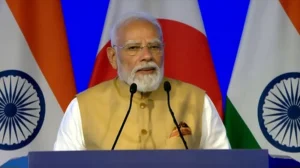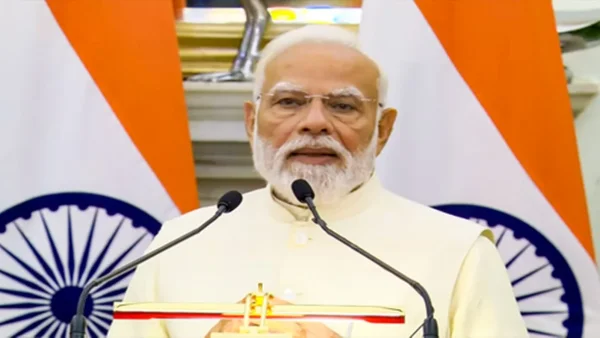
You don’t have to look far to see why: a sweltering spell is having an effect on much of the country. So in the 31 May edition of Mann Ki Baat (the 134th), the prime minister made it a point to talk up the need for caution while also toasting to a few desi favourites and the mango season.
The message from him is plain: have your water, stay out of the sun if you can, and heed what the authorities say. He even remarked on how the heat is putting its mark on the way we live, right down to what happens in the kitchen.
Heatwave advisory and kitchen wisdom
Modi sees getting by in the summer as part health, part culture. It comes down to the small things you do at home when it gets too hot to handle outside.
Put some water in an earthen pot, make some curd, or let a raw mango simmer for a cool dish. These aren’t fads, he says; they’re the tried-and-true ways of dealing with a scorching day.
There is a social side to it, too. The prime minister has been on about the need for us to be mindful of each other in what he describes as tougher times ahead.
Desi drinks and the idea of one India
Then there is more than just water. PM Modi has been touting some home-grown beverages that do more than quench you – they have history. He puts them forward as a way of living out Ek Bharat Shreshth Bharat, where you can taste a bit of the nation in every sip.
Regional favourites he highlighted
You have the South, for one, with Panakam, Neer Mor and Sambaram. Over in Konkan and Goa, it’s Kokum Sharbat and Sol Kadhi that will sort you out on a muggy afternoon.
Head to Bihar, Jharkhand or UP and you’ll find Sattu Sharbat is the go-to for a pick-me-up. And in Rajasthan and Gujarat, buttermilk is practically part of the meal plan in the west.
Punjab and Haryana are known for a lassi with no holding back. In the North, Aam Panna is a must for the tang of a green mango. Don’t forget Odisha and their Bael Pana, which is as much about the rite as it is about the relief it offers.
What they have in common, according to the PM, is where they come from. No fancy branding, just something from the field or the next room over, and a little of what our forebears had to work with.
Mangoes as summer conversation
Drinks may set the mood, but if you want to know what the season is all about, ask about the mangoes. You can tell summer is here in India by the way the conversation in every home turns to the different kinds, scents and feel of the season’s best produce, as PM Modi put it.
He was on hand to mark how each part of the country has a champion of its own. You have Hapus, or Alphonso, from the Konkan in Maharashtra; Kesar from Gujarat, which he called the very essence of aamras. Then there’s Dasheri in Uttar Pradesh and, from his own Kashi, the Langda.
“Even when it’s ready to be eaten, the Langda will often still be green,” he noted, a little oddity that any true fan of the fruit will vouch for. He had good words for the Zardalu of Bihar with its unmistakable smell, and for Chausa and Malda, which are as much about the past as they are the present.
Further south you’ll find the Banganapalli, Totapuri, Neelam and Malgova, all with their own character. And then there is the Himsagar from Bengal or the Suvarnarekha in Odisha and Andhra. It’s a case of the landscape putting its stamp on the mango.
But for all the pleasure they bring to the table, these days they make their way from the village to the world. He made sure to tip his hat to the people who put them in the ground, saying that for the Indian agri-economy, the mango farmer is something special.
What you should do now
Modi’s message was one of plain common sense. He has asked us to be on our guard and to make use of the tried-and-true methods of our region to beat the heat.
In short:
– Make a habit of drinking water
– Don’t stand in the sun if you don’t have to
– Be careful when you go out
– Do as the authorities say
– See how your neighbours and those in need are faring
He also had a word for us to try and get back to some of the local drinks we know well. “Have what your family has been having,” was the idea, since they are made for the kind of day we are in.
Why this matters today
With the kind of heat we’re seeing, it’s no wonder work and life at home are being put on hold. The prime minister’s point is that you don’t need to overthink safety, just be about it.
By talking in terms of what you’d find in the kitchen, he made it easy to follow. An earthen pot, some lassi or a bit of curd aren’t just for the palate; they are what you need to get through the day.
The upshot is simple: be disciplined, be cultural. Have your water at hand and stick with the things you were raised on. Let the mangoes be a reason to put on a smile.
From here on in, it’s down to looking after one another. As it gets hotter, the PM is keeping an eye on the unpretentious habits and old ways of doing things that keep you well and make the season worth having.