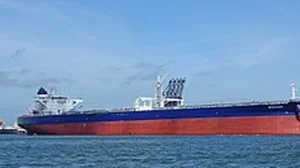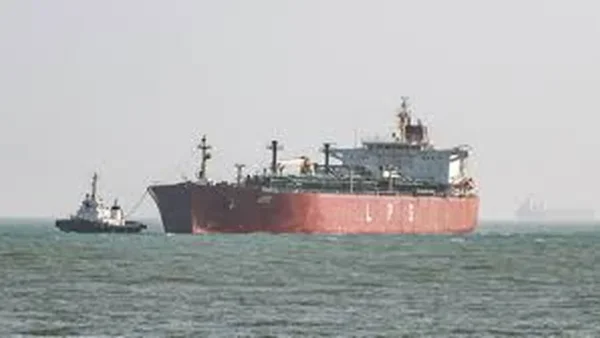
According to the United States, they have disabled a ship that made a move to get into an Iranian port. You could say it’s a case in point for how what happens at sea is dictating the terms of energy and diplomatic policy these days. The Lian Star, a bulk carrier flying the Gambia flag, was put on hold in the Gulf of Oman – the sixth such incident to date.
A flashpoint in energy trade
What’s been going on in and around the Strait of Hormuz has sent ripples through supply chains all over. We’ve seen oil, gas and even fertiliser left in limbo, which only adds to the pressure on those who produce and consume them. Washington put a blockade in place back on April 17 to put a crimp in Iran’s shipping and its access to hard currency, on top of an economy that is already in poor shape.
Iran for its part had more or less shut down the strait once the war got under way with the U.S. and Israeli strikes on Feb. 28. Some ships are still moving, but not nearly as many as before, a sign of the risk shippers are now factoring in.
The U.S. version of events
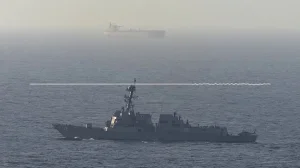
One U.S. official put it this way: the Lian Star didn’t heed any of the warnings put out to it overnight as it made for an Iranian port. So U.S. planes were called in to disable it in the Gulf of Oman, where it is now just sitting. They haven’t put a man on the vessel, the official said.
All told, American forces have put a halt to six ships trying to make a run on the blockade, though one was let through. It’s a show of force meant to put off anyone else from thinking of it, even while there is some movement in the room for a temporary truce.
The ceasefire in question
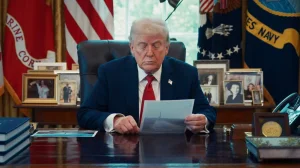
There has been a tenuous ceasefire since the 7th of April. Everyone in the region is waiting to see if a 60-day extension will be put on the table as they talk about Iran’s nuclear file. The White House has it that President Trump was with his advisers on Friday, but no word yet on if he wants to make a deal to open up the strait again. Iran says nothing is set in stone.
Tehran makes it clear they have to give the nod for any transit. Their military command has put out a warning that if you cross the line, you do so at your own peril, and they won’t hesitate to go after any military craft that meddles. They’ve also been putting up tolls of as much as $2 million for the right of way, something experts would have you believe is a breach of free and peaceful navigation.
Where we go from here
Traffic is chugging along, but in a hushed way and in smaller numbers. Shipowners have a lot to think about with the threats, the tolls and the chance of things heating up in the region if the talks don’t pan out.
Here is what to keep an eye on in the near term:
– A call from the U.S. on the ceasefire
– How Iran will handle the transits
– What becomes of the Lian Star
– More of the same in terms of blockade-busting
It’s not just about the shipping lanes. Every time a ship is interdicted, it changes the dynamic in the room for the two sides. The U.S. is trying to cut off some of Iran’s economic arteries, while Tehran’s stance on who gets to pass and for what price is a test of what the world will put up with.
So the thing to figure out is if a 60-day extension is enough to calm the strait and let things flow. Until the politicians in both capitals make up their minds, this waterway is going to be the tell for how risky the region is, with the Lian Star being the latest example of how it plays out.