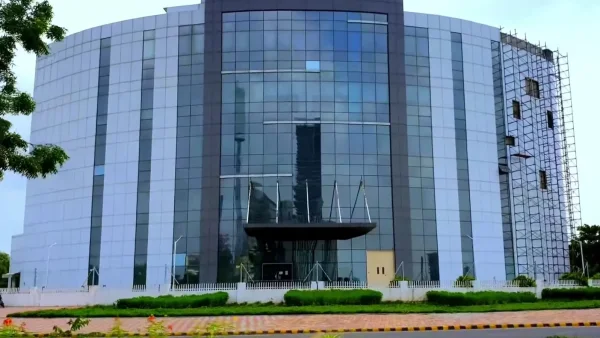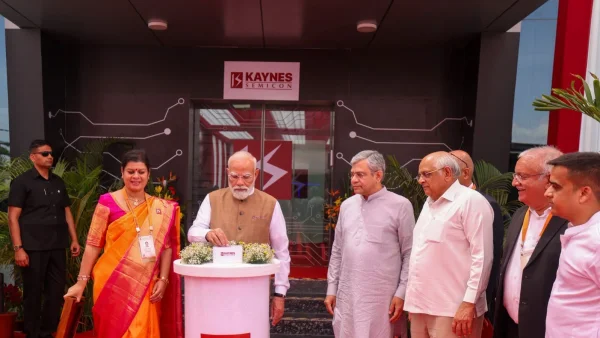
On Tuesday Prime Minister Modi started actual production at the Kaynes Technology semiconductor assembly and test plant in Sanand, Gujarat. This 3,300 crore rupee facility is opening because India is working to create a stronger chip industry at home. Modi talked about the project on X (formerly Twitter), connecting it to the “Make in India, Make for the World” plan.
Overview of the Sanand semiconductor facility
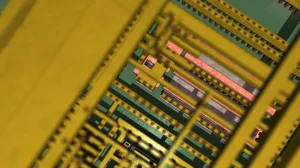
This new facility is an OSAT, which stands for Outsourced Semiconductor Assembly and Test. It’s where chips are put into their final packaging and checked to make sure they work before being put into finished products. At this location, Kaynes Technology will be doing wire bond and substrate packaging.
Officials say the plant will produce roughly 6.3 million semiconductor chips a day, about the 6 million that experts in the industry thought it would. The first chips they make will be Intelligent Power Modules, which are used a lot in electric cars and things that save energy. They already have orders to send these out of the country, and are working on them now.
How the plant fits into India’s chip ecosystem
OSAT companies are a necessary part of how semiconductors are made, allowing for flexible production and lower costs. By doing the packaging and testing in India, we can get products faster and don’t have to import as many completed modules. This makes us less likely to be affected when there are problems with the supply of parts.
The factory in Sanand works well with other recent investments in Gujarat and other places. The area already has major international chip companies, which helps develop a local supply network and a workforce with the skills needed. The factory is expected to provide parts to the car industry, the telecommunications industry, people who make consumer electronics, and those doing industrial automation.
Export potential and global supply chain integration
Prime Minister Modi said that the parts made in Sanand will go to companies in the United States and then be used to power devices all over the world. People at Kaynes say a large amount of what they make is already promised to be sold to other countries. This immediate connection to international markets shows how important the plant is to the world’s supply chains.
Connecting what’s made in India with customers in other countries gives Kaynes a way to continue to earn money and proves that India is a good place to manufacture. The fact that they have export orders from the very beginning shows that the business is likely to work and that people who invest are confident in India’s plans for semiconductors. demands
Policy context: India Semiconductor Mission and local ambitions
This project is in line with the India Semiconductor Mission that started in 2021 to encourage companies to build chip factories and packaging/testing facilities within India. The government has listed many projects in different states, totaling over 1.6 lakh crore rupees, as part of this effort. Policymakers now want to develop the equipment, materials and the supply of important minerals.
The government is also prioritizing training people for the workforce. Many programs at hundreds of schools have trained people in semiconductor design and helped with the design and manufacture of chips. Officials believe that India’s semiconductor market, currently worth about $50 billion, will go over $100 billion by the end of the decade.
Economic impact and future prospects for Gujarat and India
The Kaynes factory is expected to create more jobs and opportunities for suppliers in Sanand and the surrounding areas. Opening the factory adds to Gujarat’s attempt to become a major center for semiconductors. Also, improvements to infrastructure and other related projects tied to these factories can greatly increase economic growth in the region.
For the industry, having OSAT facilities in India means being less dependent on packaging and testing done in other countries. This is good for makers of electric vehicles, renewable energy projects and companies producing consumer electronics that need a steady supply of assembled chips. As more of these projects start up, India could move from being a country that buys lots of chips to being a significant player in the global manufacture of semiconductors.
Basically, the Kaynes factory in Sanand makes India’s chip making capabilities stronger by adding important assembly and testing abilities. It supports the government’s goals to make India a place where semiconductors can be made cheaply and exported, and supports important industries like electric vehicles and green technologies.