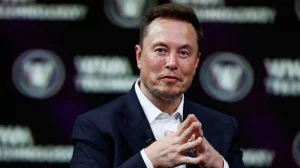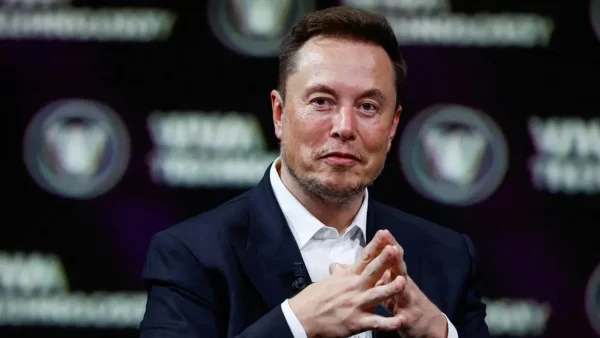
Musk, the company’s CEO, has said the ‘Terafab’ AI chip project might be up and running in the next seven days, and Tesla is getting ready to really boost its semiconductor manufacturing. The facility is meant to produce the large amounts of advanced processors required for Tesla’s growing AI systems in vehicles and robotics.
Why Tesla is building Terafab – the rise in AI need
For months Tesla has been indicating that its need for AI chips will be more than current suppliers can give it. Musk has often stated the company might have to build a ‘huge chip plant’ to get enough for self-driving and robotics jobs.
Even using companies that supply some of what it needs, Tesla thinks global production now will not be enough to allow it to expand its AI training and use infrastructure.
How big will Terafab be, and what will it make?
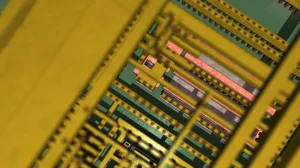
The Terafab is likely to run more than 100,000 wafer starts a month – WSPM – which is a production level that would put Tesla with the largest chip companies in the world. At that size, the plant could both support a lot of cars being sold, and big data centre applications.
WSPM is the number of silicon wafers that start being made each month; it’s a key measurement of how much a factory can produce in the chip industry. Getting to 100,000 WSPM means huge investment and long-term planning for production.
AI5 chips and Tesla’s computer plans
Tesla is making a fifth-generation AI chip – called AI5 inside the company – to power Full Self-Driving, intelligence in the cars themselves, and the controls for its humanoid robots. The company has used tens of thousands of GPUs for model training and still needs powerful computers for large model jobs.
After ending an earlier in-house chip program, Tesla changed to a plan of designing chips itself but getting the wafers from outside. The Terafab would allow Tesla to make AI5 chips on a large scale for cars, robots, and data centres.
Tesla’s partnerships and the chance to become an IDM
Tesla now gets semiconductors from the main foundries and memory makers, and has talked about working with big chip companies. Musk has said he’s working with outside companies but also looking at making things itself as the only way to get the amounts needed.
Building Terafab could make Tesla an integrated device manufacturer – an IDM – giving it complete control over chip design, manufacturing, and supply. This complete control would lower the risk from supply chain problems and let hardware and software be designed to work closely together.
What Terafab will mean for the market and the chip industry
Starting Terafab would change how a car company deals with semiconductors, questioning the usual lines between car companies and chip companies. The move would add to the money Tesla spends, but could also give it strategic advantages in performance and cost in the long run.
If Tesla goes ahead, its competitors and the companies that supply it may change their production plans and partnerships. For people who invest and for industry planners, Terafab shows that car makers see chip making as essential infrastructure, and not just something to buy.
Terafab is where car making, cloud-scale AI, and chip economics all meet. With Musk saying the start could be in a week, the industry will watch to see how Tesla goes from design to production, and what that means for transport and robotics driven by AI.