Two people from Panipat formally complained about the lyrics and the video in “Tateeree”. People who work as activists in the area said the song went too far, both in terms of what’s acceptable in the culture and what is morally right, so the commission decided to do something. The complaints came from groups in the area that are well-known for their civic work.
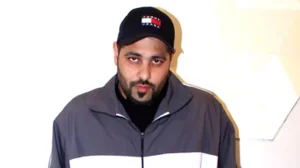
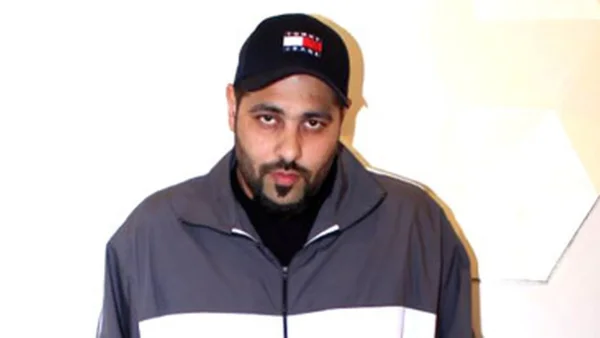
The commission started to look into the complaints on its own, and sent a notice to Badshah – whose given name is Aditya Pratik Singh Sisodia – asking him to come to a meeting of the commission and give his explanation. People working on the case are taking it very seriously and want to deal with it quickly.
Specifically, the complaints about the words and pictures:
What the people who complained said, and what parts of the song and video were the problem:
They pointed out certain lines and parts of the video which, in their opinion, give a bad idea about women and are a bad example for young people who watch.
Those who didn’t like the song specifically mentioned one line which they said made taking advantage of people seem good and took away from people’s dignity. The video parts that people are looking at closely show girls in school uniforms dancing on a public bus and throwing their school bags – images which the people who complained say are not right for young people and do not respect the standards of the community.
The complainants said the lyric showed women as being easily controlled or as objects, and this created worry about the song’s bad effect on society. The activists said the language could make it normal to not show respect for women, particularly in a folk song which is heard by people in the area.
In the video, the showing of young people in school clothes dancing on a Haryana Roadways bus worried parents and local officials. They said that such a showing could affect people who are easily led, and not keep to the standards which protect children and respect the values of the culture.
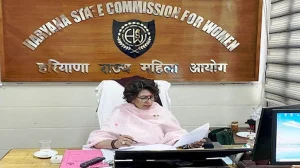
The Haryana State Commission for Women has scheduled a hearing for March 13, 2026, at 11:30 in the morning.
What the commission did and when the hearing will be:
The meeting will be in the conference room of the District Commissioner’s office in Panipat, and will be led by Renu Bhatia, the head of the commission. Officials have told the head of the police in Panipat to make sure all of the people involved come to the hearing. The commission will listen to the people who complained and to Badshah before deciding what to do next. The investigation will try to find a balance between artistic expression and the standards of the community and the legal protections that exist.
What this means for the future: control, public discussion, and what will happen next:
Renu Bhatia, the chairperson, has asked how material that is argued about was allowed to pass checks before being released. This questioning brings up bigger problems about checking content, pictures which are right for people of certain ages, and the part that the music and entertainment industries play in controlling themselves.
The case has started discussion on social media and in local civic groups about the responsibility that comes with creative work. Some people defend artistic freedom, while others ask for more control when the content involves young people or deals with sensitive issues of gender.
The hearing will be a very important time to set an example for how area commissions deal with complaints about culture. Officials will look at the evidence, what the artist says, and any rules which apply, before deciding what to do to correct the situation or what to suggest.