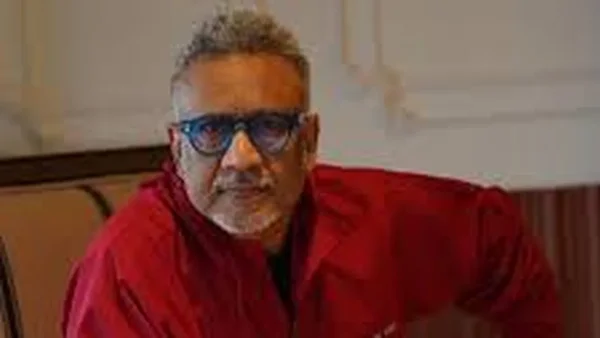
The discussion of actors wanting set eight or nine hour days came up again not long ago, and the film-maker Anubhav Sinha gave a sensible answer which favours sensible solutions, not public shows. He said that people working together ought to be based on both sides agreeing, and that arguments over hours do not need to be in the papers or become arguments on the internet.
Anubhav Sinha’s direct position
Sinha put the matter simply: if an actor wishes to work for six or eight hours and a director or producer doesn’t like that, don’t work with that actor. He pointed out that actors are different from each other, and that acting often needs special conditions.
He said that acting is a skill which is unlike other arts, because performers don’t have anything outside themselves; they give themselves to the shot. For Sinha, that fact makes talks about hours understandable, not shocking.
Story about Rishi Kapoor and night shots
Sinha remembered filming the film Mulk with the late Rishi Kapoor, who had told him at the start that he preferred not to do night shots. They talked about a small number of night scenes and changed things as the reality of the making of the film changed.
Although the filming finally needed one more night, Sinha stressed that there was no bad feeling. He said he wanted Rishi Kapoor for the part and was happy to change, and that the experience stayed friendly and nice to each other.
Answer to Deepika Padukone’s eight hour day argument
Turning to the recent talk about Deepika Padukone and reports that she asked for shorter days, Sinha said he doesn’t believe rumours and has not worked closely with her. After asking colleagues who had worked with the actress, he got the same good words about how professional she was.
He called the argument too much and asked why private talks should become public fights. His point was practical: if a performer sets conditions which do not fit a project, producers and directors can say no. That choice stops the need for public blame.
Sensible facts about actors’ working hours and looks
Sinha made clear a sensible worry: on a 50 to 60 foot screen, small signs of being tired can be seen. Makeup, lights and when things are done matter, and reasonable limits on hours can help keep the quality of acting and how things look going on.
He argued these are things to do with how a film is made or health, not moral faults. When both sides talk honestly, the making of the film can go on without problems and with respect for the skill and physical needs of acting.
Social media, privacy and professional talks
Sinha warned against making arguments worse on social media or turning them into public arguments. He said it was best to keep arguments about when things are done between the actor, director and producer, as happens in many other jobs.
He also pointed out that changes to who is in a film and people being fired are normal in film-making. Rather than starting arguments, the film world gains when people make clear what they want at the start and solve problems in private.
Sinha’s words make things no less clear: they favour talk, give and take, and professional limits. By treating working hours as a detail of how a film is made which can be talked about, not as something to fight for, he asked the film world to concentrate on solving problems with skill.
The wider lesson is true for more than one actor or film. Clear contracts, clear what is to be expected and respectful talks keep films going right and save people who act and the people who work with them from not needed public argument.