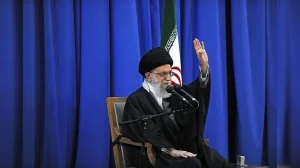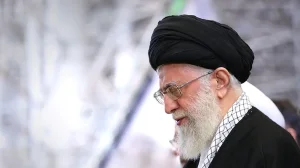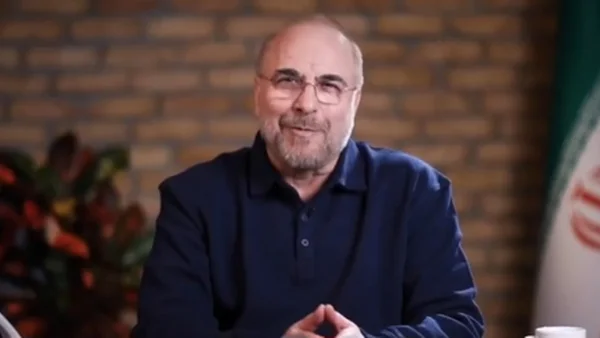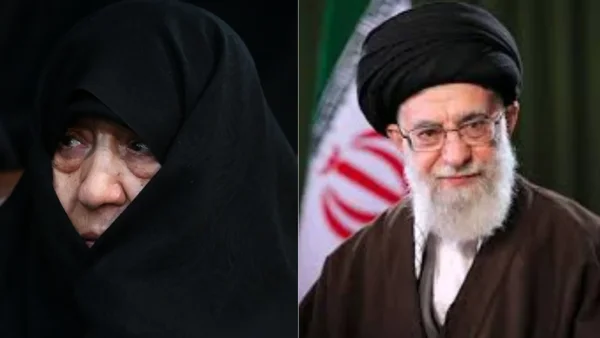
Mansoureh Khojasteh Bagherzadeh, wife of Iran’s late Supreme Leader Ayatollah Ali Khamenei, died after her injuries – from recent US-Israel attacks, it is thought – proved too much. News from Iran’s state media called her death ‘attaining martyrdom’ in the middle of an unusual number of attacks which also, it is said, killed Khamenei and a number of leading people.
Early life and family background
Born in Mashhad in 1947, Mansoureh Khojasteh Bagherzadeh was from a family that was religious and involved in business. Her father was in trade, and later some of her wider family worked in government bodies. How she was brought up showed the usual religious and social ideas in that part of Iran.
She met Ali Khamenei in 1964, and married him in 1965. A well-known religious man of the time is thought to have given the talk at their wedding. The couple had six children, one of whom was Mojtaba Khamenei, a well-known son, and lived a family life which mostly did not come to the public’s attention as Khamenei became more and more important in politics.
Private public role and low profile
During her husband’s many years in power, Mansoureh Khojasteh Bagherzadeh stayed quiet and was not often seen at official government events. She paid attention to family and religious things, and hardly ever showed up at formal events or in pictures released by the state. People who watched said she kept the usual role of a religious man’s wife in the very conservative society of Iran.
Because she did not make herself known, she was not a political person in public, but being the wife of the Supreme Leader put her in the most important part of Iran’s ruling group. Even though she stayed out of the light, those in government and religious circles kept a close eye on her health and how she was doing.
Circumstances of injury and reported deaths
News from Iranian officials says she was badly hurt in attacks together, which are blamed on the United States and Israel. It was said she was in a coma before dying of her wounds. The officials said that some members of the leader’s family also died in the attacks, though their names have not been checked by anyone not connected with the government.
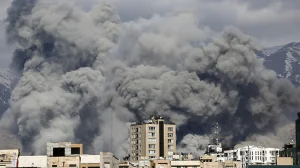
The attacks are said to have killed leading people in the armed forces and other officials, as well as family members. Iranian statements talked about large numbers of normal people and soldiers being killed, and governments in the area and groups helping people reported that there was widespread damage and loss of life in a number of towns.
Regional fallout and humanitarian impact
The attacks caused more fighting in the area, with missiles and drones hitting a number of countries and important buildings. Reports from groups giving help and national governments gave numbers of hundreds of deaths in Iran, dozens in countries near it, and damage to areas where people lived. Problems with the air and fears about shipping routes quickly made people worried about the economy and safety.
The energy markets acted quickly, as traders thought about the chance of supplies being stopped. Authorities in Gulf states reported steps to protect themselves, and several countries gave statements saying they had the right to defend their countries as the fight got worse.
Implications for Iran’s leadership and next steps
If the deaths of the Supreme Leader and his wife are shown to be true, it will make a problem of leadership for Iran’s political system which has never been seen before. Ways of taking over do exist in the religious and political groups, but the sudden loss of the top people could make disagreements between groups worse and speed up decisions about who should be in power for a time and what should be done to keep things going.
Around the world, the attacks and the number of people hurt are likely to make positions in the area harder and make it more difficult to have talks. People who make policy and people who give their views on events will watch for official steps to choose a new leader, possible acts of getting even, and efforts by people in the area and all over the world to make the situation safe and protect people who are not involved in fighting.