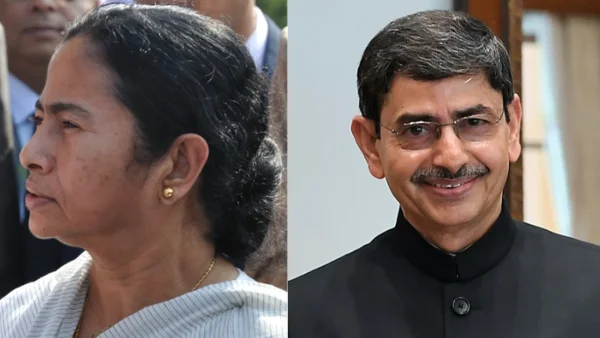
The Timing and Process of RN Ravi’s Appointment
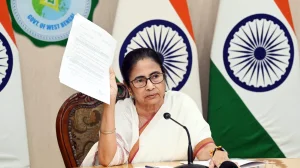
Banerjee stated that the state government hadn’t been asked for its opinion, which goes against the usual practice of getting the chief minister’s thoughts before a governor is appointed. She said the choice weakened cooperative federalism and could damage the respect for state institutions. CV Ananda Bose, the governor leaving office, had been in the job for roughly three and a half years. Because he resigned so near to the election, it made things politically tenser, and put the state in a nervous position as new administrative work, and decisions before the election, frequently need close teamwork.
Controversial Actions During RN Ravi’s Time as Governor of Tamil Nadu
From September 2021, RN Ravi was governor of Tamil Nadu. Throughout his time there, critics and people against him often attacked his work for clashes with the state government – and particularly for refusing to give approval to a number of bills the legislature had passed. By May 2022, reports showed he had over twenty bills still waiting for a decision. This disagreement went to the courts and, in the end, helped cause a Supreme Court ruling in April 2024 which gave governors deadlines to act on state laws; this was an important judgement intended to lower blockages in the relationship between the executive and the legislative branches.
Statements and Events Which Caused Political Criticism
Ravi caused a very strong reaction when he proposed that the state could be better called Tamilakam – a comment that state politicians and student groups said was hurtful to local feelings. The statement split politics, with some groups backing him and others protesting. He also left out parts of a speech written by the government, which officials said missed out on phrases such as ‘women’s empowerment’, ‘secularism’, and references to Dravidian leaders. He then, it’s said, asked students to say a religious phrase at a college, leading a group of educators to ask for his removal, as they said he had broken his promise in his constitutional oath.
Administrative and Constitutional Issues Banerjee Has Raised
Banerjee presented the appointment as a part of a wider trend where the central government puts governors in place who seem to be politically with a national party, and so may use the job to affect what happens in a state before elections. She warned that such actions could disturb the federal balance between states and the centre. Her worry is practical as well as relating to the constitution: governors have powers that can change laws, appointments, and when the government does things. With an election on the way, any seen favouritism could make distrust worse and lead to legal problems.
Possible Effect on the West Bengal Election of 2026 and Political Situations
If RN Ravi acts as he did before in West Bengal, the state government could have bills delayed, public arguments, and more court cases. This sort of trouble would be the main topic of public discussion, and could possibly change how voters think during the campaign. The appointment also gives parties who oppose the government new things to say to make the election seem like a fight over the rights of states and how much freedom states have. For the current government, the danger is both being unable to operate smoothly, and the topic of debate changing from how well the government is doing to a dispute over the constitution.
Conclusion
The disagreement over RN Ravi’s appointment mixes constitutional procedure, recent legal decisions, and a politically difficult time. Mamata Banerjee’s objections show a wider worry about how a governor’s behaviour might change the tone and way the West Bengal election of 2026 goes. The coming months will show whether the change of governor happens without problems, or becomes another cause of conflict in Indian federal politics.