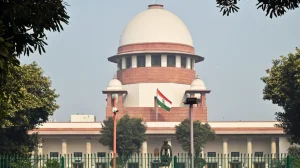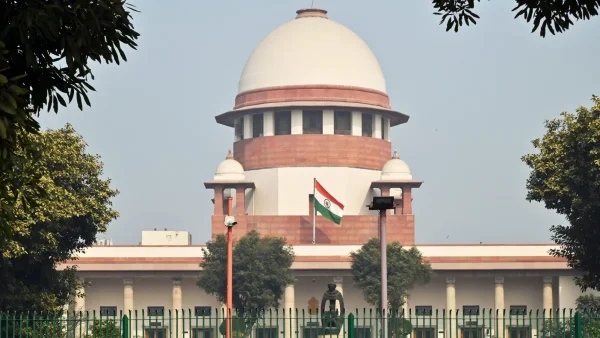
On April 2nd, the Supreme Court changed its earlier order, limiting a previous decision in the Rajasthan Public Service Commission (RPSC) Sub-Inspector/Platoon Commander hiring process to just one applicant. Justices Dipankar Datta and Satish Chandra Sharma had a court session on a day when court wasn’t normally in session, and told the RPSC to allow only Suraj Mal Meena to take the exam on April 5th and 6th.
Background of the RPSC SI Exam and Cancellation
The RPSC cancelled the original test for Sub-Inspector and Platoon Commander because many people had cheated or broken the rules. They then planned a new exam for 1,015 positions, and didn’t say people who were now too old could have an extension to the age limit.
People who were affected by this decision took the matter to the Jaipur High Court. A single judge said some of these applicants could temporarily be allowed to take the exam, but a group of judges at the High Court stopped that ruling. This created a complicated legal situation before the statewide hiring process.
Supreme Court’s April 2 Order and Immediate Revision
On April 2nd, the Supreme Court instructed the RPSC to issue temporary exam tickets to 713 applicants, including Suraj Mal Meena, while holding their scores until the High Court made its decision. The intention of this was to ensure candidates didn’t miss out on a chance to compete right away.
After the RPSC said the court hadn’t been given all the important information, the same Supreme Court judges looked at new information. They changed their earlier instruction, and said only Meena would be allowed to take the exam, and took away the benefit that had been given to the other 712 applicants.
Legal and Practical Implications for Candidates and the RPSC
This revised order has an effect on how the RPSC makes plans, and on the rights of a lot of applicants. Because over 7.7 lakh people are expected to take the RPSC SI exam, any change to the process can cause problems with organizing the exam and being fair to everyone involved in such a large hiring process.
The Court made clear that applicants who weren’t part of this specific case can ask the High Court if they can take the exam again, depending on what the High Court’s final decisions say about whether a new exam will be given. So, any chances for applicants to get something done about their situation will rely on what happens in court in the future, rather than getting help from the Supreme Court immediately.
Next Steps and What Candidates Should Do
Applicants who are affected by this should get legal advice quickly, and think about filing the correct applications with the Jaipur High Court if they want to be temporarily or fully allowed to take the exam. Having proof of their age and other qualifications will be very important for anything they submit to court.
Candidates should also pay attention to official announcements from the RPSC about when exam tickets will be available, how the exam will be run, and any notices about a possible new test. Getting information directly from the RPSC will help avoid confusion and stop the spread of unconfirmed information on social media.
Broader Takeaway on Judicial Review in Recruitment Disputes
This whole situation shows how courts have to weigh helping individuals with the interests of the public and making sure the government does things correctly during large-scale hiring. The Supreme Court's change to its order stresses the need to tell the courts everything and for the courts to carefully examine the details of how things were done before giving broad instructions.
For people who make policy and for the RPSC itself, the decision means they need to have transparent procedures and clear rules about extending the age limit and giving re-exams. For applicants, it shows how important it is to be prepared for legal issues and to quickly ask the correct courts for a solution when a government decision affects whether they are eligible.