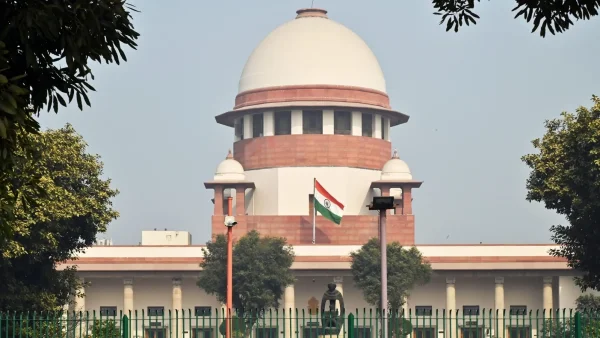
The Supreme Court specifically asked the central government if cadets who are medically discharged because of disabilities from training can be treated as if they are veterans. Justices B V Nagarathna and Ujjal Bhuyan are on the panel hearing the case and want to know if these cadets can then get the job reservation advantages available to veterans in government and partially government-run jobs.
Background of the suo motu case
The Court started looking into this on its own after news reports showed how much trouble cadets who are discharged for medical reasons have. These cadets were trained at top schools like the National Defence Academy and the Indian Military Academy. Approximately 500 officer cadets have been sent home with a medical discharge due to injuries from training since 1985.
The judges pointed out that many of these discharged cadets are young, in their twenties and thirties, and are dealing with large medical bills and a very unclear future. Right now, they get a one-time payment and a small monthly amount, but people involved in the case say this isn’t nearly enough to pay for continuing care and getting better.
Legal and policy questions before the court
The main legal question is whether the official and established definition of a veteran can be broadened to include cadets who had to leave the service because of injuries from their training. If they are classified as veterans, they would be able to get job reservations, health programs, and first consideration for employment as the current laws and programs allow.
The judges asked the Additional Solicitor General to find out if the definition of ‘ex-military personnel’ can be widened to include these discharged cadets. The government has said it will provide a thorough answer. The situation also brings up larger constitutional and administrative law questions regarding equal treatment, how groups are categorized, and what the government owes those injured during training.
Existing welfare proposals and gaps identified
The Court had previously asked the central government to look into group insurance or something similar for cadets in very dangerous training. Someone said that a document approving the Ex-Servicemen Contributory Health Scheme (ECHS) to cover cadets existed, but it wasn’t actually put into action. How policies are intended and actually done is still a major worry.
The judges also told the government to reconsider the current one-time payment of Rs 40,000 for cadets who become disabled during training. They suggested increasing the payment and getting insurance to cover medical costs and continuing treatment. They also recommended programs to help with rehabilitation, perhaps into office jobs or other positions with the defense department, as part of a complete solution.
Implications for employment and reservation benefits
If the Court orders that these discharged cadets should be considered veterans, the job situation for those affected will likely change a lot. Getting jobs reserved in the government and partially government-run sectors would give these young people, who couldn’t continue their service due to injury, a way to have a stable job, income, and financial security.
Giving these cadets veteran status would also mean changing the rules for hiring, the lists for reservations, and how things are done administratively. Different government departments and ministries would need to work together on confirming eligibility, figuring out what benefits they are due, and helping them get into jobs, with training for office-based positions.
Next steps and expected outcomes
The Additional Solicitor General will get instructions from the central government and the defense department and then give the Court a detailed response. The Court will consider this information before giving its final instructions. The Court might ask people involved – defense schools and veteran’s organizations – to suggest how to put the plan into action.
This issue is where defense policy, being fair to people in society, and running things efficiently all come together. A well-planned answer could provide medical help, money, and employment opportunities, while also protecting the benefits and reservation systems currently in place for veterans. The Supreme Court getting involved shows they want a lasting policy that will really help disabled cadets with their real-world needs.