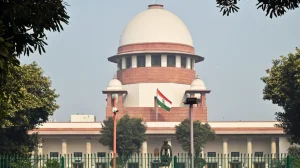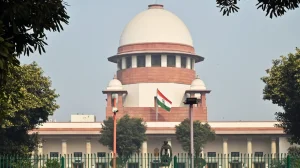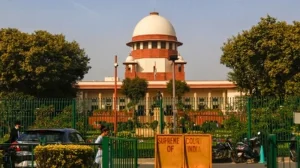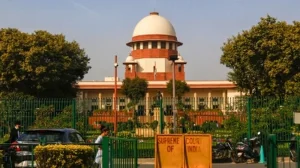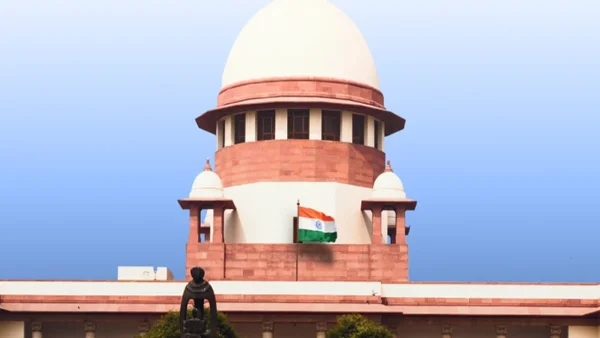
All eyes are on India’s most ancient mountain system once again. In an order, the Supreme Court has told the committee tasked with defining the Aravallis to make sure they are in touch with the right people, and that the public is heard. There was also a call for speed: a smaller, no-nonsense panel of five to seven to put an end to any dilly-dallying.
Court’s direction: consult widely, keep it lean
Chief Justice Surya Kant and Justices Joymalya Bagchi and Vipul M Pancholi were of the view that a 30-person body would be more trouble than it’s worth. What the committee needs to do, they said, is get out there and talk to the people on the ground so the final definition is based on reality.
Aishwarya Bhati, the Additional Solicitor General, let the court know that the Central Empowered Committee and the amicus curiae have put forward some names for the panel. K Parameshwar, the amicus, was firm on one point: if we want to hear from the public, we need to make the consultation with stakeholders a formality.
Why the definition battle matters now
You could say the legal cover for the Aravallis in Delhi, Haryana, Rajasthan and Gujarat is on the line. The court is aware that a definition that is too by-the-book or too narrow will only create openings for exploitation, mining and the like.
Back in November 2025, the court went along with a one-size-fits-all definition for the hills and put a stop to new mining leases in the area until the experts had their say. That ruffled some feathers, and by December 29 the court had put its earlier orders on hold and called time on all mining in the Aravallis.
The contested criteria at the heart of the debate
There are ‘critical ambiguities’ in what was put on the table before, the court noted. It put the question out there: does a 100-metre elevation rule and a 500-metre space between hills really do enough to protect the environment?
Not long ago, a MoEFCC committee had it down to this: an ‘Aravalli Hill’ is any landform in the right districts with 100 metres of relief. An ‘Aravalli Range’? Two or more of them within 500 metres.
Implications for mining and land-use decisions
This is the court’s way of saying that how we use the land is going to be about the science and the public, not what’s easy for the administration. The bench is trying to close off any backdoors that might leave the forests, wildlife or water tables in the Aravallis vulnerable.
For now, expect a closer look at everything. A definition that trims down protected zones will be met with resistance; a fair process, on the other hand, gives the states and industries some certainty.
Committee formation: what changes now
With a smaller group, you can move with more purpose. The court wants to see mapping done on the basis of evidence and a paper trail of what the public has to say. Since some names are already on the table, there should be no need for a drawn-out tussle over who makes up the panel.
The amicus has been on about including the stakeholders, which is in step with the court’s wishes. It’s also a way to head off any claims down the road that people weren’t given a fair hearing.
What to watch next
It comes down to how quickly the panel is put in place and how well they reach out. The court will make sure its order has the size and scope of the mandate written in stone.
Some of the things to have your eye on:
– The last word on the panel’s make-up
– The 5-7 member committee being made official
– Some face-to-face with the experts and the public
– A second look at the 100 and 500-metre rules
Why timely action is crucial
As long as we don’t have a definition we can stand behind, we’re in limbo when it comes to conservation and making a living. The Supreme Court is after a process that is led by the numbers and the people to give us something solid to work with.
So for the communities and the businesses in these four states, the message from today is plain: put the science first, bring the stakeholders in, and don’t leave the environment to fate.