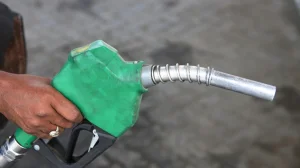
Government officials say they’re getting ready for the highest electricity demand of the summer despite the issues with gas delivery brought on by the Iran War. They have available coal and renewable energy and are moving quicker on storage projects to be less dependent on gas that travels by ship through the Strait of Hormuz, an area where shipping has been irregular since February 28th. Several companies supplying gas have said they can’t meet their commitments (a “force majeure” situation), which has greatly cut the amount of liquefied petroleum gas available and caused the worst shortages of cooking gas in many years.
Although gas only provides about two percent of all of India’s electricity, around eight gigawatts of power plants that burn gas are used when it’s at its hottest. This means gas is a fairly small but important part of quickly meeting a sudden, large increase in how much electricity is being used.
Coal and domestic production as the primary backup
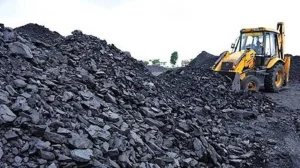
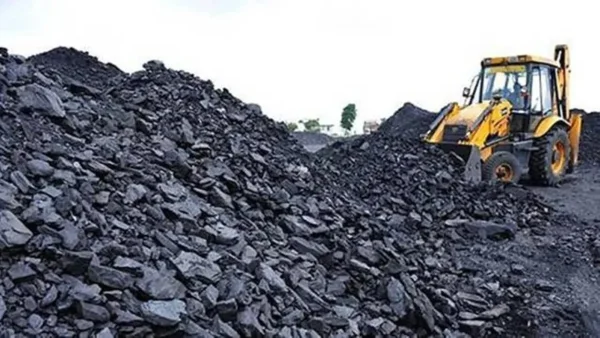
India has produced a billion metric tons of coal for the second year in a row, giving it a good supply of coal within the country to offset problems with imported fuels. The Ministry of Coal and the companies that provide electricity are getting that coal ready to use as demand rises in the summer.
A 4 gigawatt coal-powered plant in Gujarat will likely be started up again and companies that use coal have been told to get ready to make even more electricity if the gas supply doesn’t improve. Officials believe coal will handle most of the extra electricity needed in the near future this summer.
Accelerating renewables and battery storage to manage peaks
Renewable energy is a central part of the plan. Officials point out that there’s enough solar power available to meet the highest demand during the day, about 270 gigawatts, and this will decrease how much gas is needed when the sun is shining.
Many wind energy projects are close to being completed and will add a flexible, inexpensive source of power to the electricity system. The government is also quickly approving battery energy storage; roughly 2.5 gigawatt-hours of storage is being put into operation now, and it’s possible even more is being planned.
Role of storage and grid integration in evening demand management
Energy storage can move the large amounts of solar power available during the day to the evening when people are using the most electricity. Officials are making the quick installation of storage a priority to avoid shortages in the late afternoon and to rely less on gas power plants that are only turned on when demand is highest.
Those who manage the power grid are coordinating how to distribute electricity so that renewable energy and storage are used first. Coal plants will be held in reserve as a dependable source of power, or to handle peak demands. The goal of this combination is to keep the power flowing steadily while keeping pollution from increasing too much.
Government assurances and contingency planning measures
The Secretary of Power for India has publicly said that the problems in the Middle East shouldn’t prevent the country from meeting its electricity needs this summer. The government has told domestic coal companies to be prepared and to guarantee a continuous supply.
The authorities are also tracking how long projects are taking and working to make approvals and starting up renewable and storage projects happen faster. These administrative changes show the government is focusing on being able to recover from difficulties: use many different sources, get as much as possible from within the country, and get flexible technology in place quickly.
Specifically, they are making sure the power grid stays stable, restarting old coal-burning power plants if it’s needed, and getting new wind and storage power working as soon as they can.
What consumers and businesses should expect this summer
If the coal and renewable energy plans work, widespread blackouts are unlikely. However, even with officials saying there will be enough gas produced in India for electricity, people may still have trouble getting cooking gas if ships can’t deliver it, because of the problems with shipping.
Businesses that need an uninterrupted power supply should look at their backup plans and think about using less energy or having their own power source. Those who make policy will likely continue to balance using coal in the short term with investing in cleaner energy for the long term to better protect against future world events.
In general, India has arranged for a combination of coal, renewable energy and storage to provide the power needed this summer despite the gas crisis related to the Iran War. The government is concentrating on getting things done quickly and making sure the country has enough of its own supply.