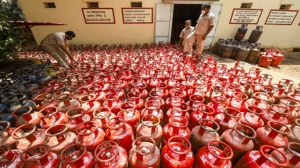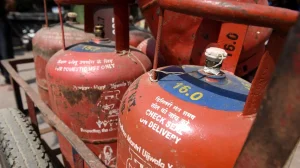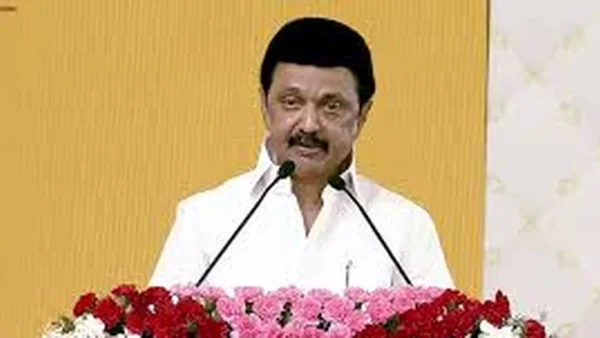
Tamil Nadu has declared a power subsidy aimed at a worsening LPG shortage which is troubling restaurants, hotels, tea shops, and cloud kitchens. The state will pay Rs 2 for each unit of extra electricity used by businesses moving from commercial LPG tanks to electric cookers and induction cooking.
Details of the subsidy, and when it will be available
The Rs 2 per unit subsidy will apply only to the extra power used by businesses using induction cookers or other electric cooking equipment. Authorities said that the action is only for a while, and will continue until rules from the central government limiting commercial LPG use are removed.
The choice came after supply problems related to the trouble in West Asia, which has limited the number of commercial LPG tanks available. Leaders of the government had meetings to plan help, and to give tanks first to hospitals and schools.
Financial help and rewards for small businesses
Tamil Nadu has also begun credit and grant help to help very small, small, and medium businesses purchase induction cookers, heaters, and related equipment. Loans from the Unemployed Youth Employment Generation Programme include a 25 percent grant, with a top limit of Rs 3.75 lakh.
Women who own businesses can get similar help under the Tamil Nadu Women Entrepreneurs Development Scheme, getting a 25 percent subsidy up to Rs 2 lakh for loans up to Rs 10 lakh. Bigger business help plans have higher grants for people who qualify.
The subsidy and loan plans are to lower the first costs of induction cooking, and make changes faster, helping cloud kitchens and tea stalls stay in business without depending so much on LPG tanks.
Changes to rules and operations by the state
To deal with fuel changes, the state made easier Pollution Control Board rules for over 60,000 factories that have permission to operate. These factories may use other fuels, such as kerosene, high-speed diesel, biomass, or fuel from waste, after telling the board – and won’t need extra permission during the crisis.
A committee at the state level, led by the Chief Secretary, will watch LPG amounts given to businesses, while district heads will chair local groups which include people from oil marketing companies. This aims for clear, need-based giving, and quick problem solving at the district level.
The government also ordered an extra 3,228 kiloliters of kerosene for people with ration cards, and promised continued access to 194 Uzhavar Sandhais to help farmers sell produce if restaurant demand drops.
How restaurants, hotels, and supply lines will be affected
Restaurants changing to induction cooking can get quick help in work, as electric power takes the place of rare LPG tanks. People speaking for the industry liked the subsidy, but asked for wider help, like cuts to property taxes and the same electricity rates for some types of hotels as for industry.
Electric need from food service places rose by about 50 megawatts above normal in the last few days, according to authorities. Power companies will have to deal with this rise, and make sure power is reliable, while watching extra load at local power stations.
Changing to electric cookers also affects supply lines for cooking equipment, pots and pans that work with induction, and servicing. People selling induction equipment may see a short-term rise in orders and installation services.
Problems, lasting power, and what’s next
Changing fuels is not easy. Some kitchens depend on LPG burners with high BTU for special cooking, and training staff to use induction well will take time. Getting money, delays in buying, and limits on local power grids could slow acceptance.
In the long run, the subsidy could speed up energy change in business kitchens, lowering dependence on LPG markets which change a lot, and lowering pollution if the power comes from cleaner sources. People making policy will need to balance quick help with investment in the strength of the power grid and skills training, to make the change last.