Trump Pardons Binance Founder: Crypto Industry Impact

The pardon of Changpeng Zhao, founder of Binance, by Trump is an unusual and transformative event in US cryptocurrency regulation. It shows perhaps his support for the industry and raises questions about motivations politically as well as future policies.

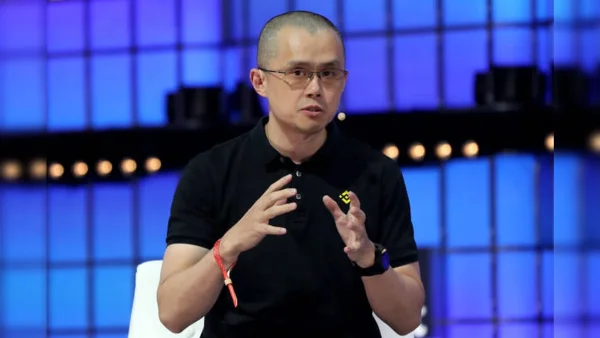
US President Donald Trump granted a full pardon to Changpeng Zhao, the founder of Binance, the world’s largest cryptocurrency exchange. Zhao was convicted of violating anti-money-laundering regulations in 2024, for which he served a four-month prison sentence. The pardon marks a more-favorable attitude by the United States toward cryptocurrencieswhen harsher scrutiny had set in under the Biden administration.

Background of Zhao’s Conviction

Changpeng Zhao, a.k.a. CZ, was subject to grave allegations for the promotion of Binance for laundering money associated with criminal activities, including child molestation, drug trafficking, and terrorism. In late 2023, Zhao pleaded guilty to one count of failing to maintain an effective anti–money-laundering program. During the court appearance, he acknowledged his shortcomings, saying, “I failed here… I deeply regret my failure, and I am sorry.” Roughly four months’ worth of prison sentences followed upon the plea agreement. Zhao served his time in 2024.

Cryptocurrency-community and financial-regulatory-watchers worldwide followed the case closely since it exposed the weakness of digital-asset platforms and the difficulty regulators have in enforcing anti–money-laundering laws on decentralized and global exchanges.

Connections to Trump Family Ventures

The pardon has gotten attention on the financial and business association with the Trumps. He is connected in some way with World Liberty Financial, a cryptocurrency project that was launched in September by former President Trump and his sons, Eric Trump and Donald Trump Jr. The project launched the USD1 stablecoin that was supposed to be backed at a 1-to-1 ratio with the US dollar. Trump’s financial filings show that in the past one year he has earned more than $57 million from this project.

Furthering this nexus, an investment fund based in the United Arab Emirates recently disclosed that it planned to use the $2 billion worth of USD1 coins to obtain a stake in Binance. Zhao had requested a pardon, claiming that his prosecution was politically motivated and was unfairly targeting the cryptocurrency industry.

White House Statement on the Pardon

The White House had maintained the stance through Press Secretary Karoline Leavitt that the prosecution of Zhao was politicized under the Biden administration. The government was acting out of “a desire to punish the cryptocurrency industry,” said Leavitt, mentioning that “there are no allegations of fraud or identifiable victims” in Zhao’s case. According to her, the judicial comments at the time of the trial observed that the government’s sentencing recommendation was described as “extraordinary” and “unprecedented,” implying an unusual aggression in prosecuting this crime.

Leavitt went on to assert that the Biden administration’s war against cryptocurrency had badly tarnished the image of the United States as a leader in technology and innovation. She said, “The Biden Administration’s war on crypto is over,” indicating the pardon as a much-needed step in restoring a positive atmosphere for digital asset innovation.

Impact on the Cryptocurrency Sector

The pardon is projected to effectuate a major impact within the crypto industry. Binance continues to be one of the most global major influencers, while Zhao’s reputation back in order may help restore public confidence in the digital asset market. On the other hand, this decision could inspire other crypto entrepreneurs and investors to realize that the US authorities might adopt a less stringent enforcement posture on industry regulation henceforth.

The analysts believe that with this pardon, there may be opportunities for further collaboration between traditional financial ventures and crypto platforms. The involvement of the Trump administration in World Liberty Financial and its USD1 stablecoin will definitely open up investment avenues, especially for international funds looking to break into the US digital asset market.

Political and Legal Implications

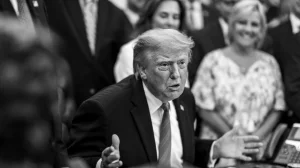
The pardon adds to a series of high profile legal interventions by Trump. In recent months, he also issued a commuting order in the matter of former Representative George Santos, further sealing Trump’s involvement in cases that draw public and media attention. Detractors argue that such pardons confuse legal accountability with political influence, but supporters maintain that they come to the aid of cases wherein the previous administrations were overreaching or acting unfairly.

Zhao’s case becomes a symbol of the ongoing friction in US cryptocurrency policy, between regulatory oversight and innovation. The Biden administration has been pursuing very aggressive enforcement activities, including imposing a $4.3 billion settlement by Binance with the Department of Justice-a record penalty in the history of corporate penalties in the US. As a result of the pardon, the regulatory narrative is reset, and a restructuring of the US crypto policy on a more permissive framework bounces back at hand.

Looking Ahead

With Zhao back in the cryptocurrency field, the world will be keeping an eye on how this will impact global regulatory attitudes, investment flows, and confidence in the market. The interplay between digital finance, political influence, and regulatory oversight still tends to be quite messy, and Zhao’s pardon is likely to stand as a reference in future cases regarding cryptocurrency executives.

The move also fits in with metaphorical larger conversations on whether and how presidential pardons can be used to make or interpret business and financial landscapes. The pardon, in effect, also clears the road for potential reintegration into cryptocurrency and may be seen as a strategic signal from policymakers to digital asset innovators, thereby somewhat erasing the criminal conviction from his past history.

Overall, this pardon for Changpeng Zhao amounts to a momentous occasion in US financial and technological policies, shooting through legal, political, and economic arenas. For the crypto community, it might be the nadir from which the regulators, execs, and investors begin evolution in compliance, innovation, and market participation over the coming years.