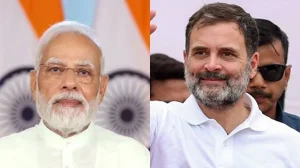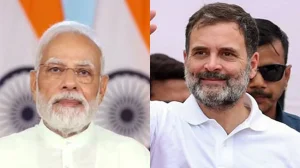
Ranaut had originally used the slang term “tapori” earlier this year, and it immediately caused a lot of reaction from all sides of politics. “Tapori” is slang from Mumbai meaning someone without good manners, and she used it to question Gandhi’s way of presenting himself in Parliament and when talking to the media.
She’s now repeating that she decides whether to respect someone based on how they act, not because of their position. Does someone in politics automatically deserve admiration if their public behavior isn’t what’s expected? She asks. Her comment adds to the increasing number of public arguments between opposing politicians.
Ranaut’s Defense and Core Arguments
Ranaut says she’s asking for leaders to be responsible and to have higher standards. She isn’t saying she doesn’t respect people in general, but she won’t pretend to think someone is great just for the sake of it. She’s criticizing both how a politician does things and what they actually do.
Concerns About Parliamentary Decorum and Gendered Reactions
She also didn’t like Gandhi’s comparison in Parliament to the martial art jiu-jitsu, using terms like “grip” and “choke”. She said the way he explained it made many women in the room feel uneasy and took the focus away from his point. She wants people in Parliament to use language that’s clear and suitable.
Parliamentary discussions, Ranaut insists, need to be respectful, especially when lots of people are listening, including women. She says the jiu-jitsu example is a way of speaking that could pull attention away from the important things being discussed and make the audience uncomfortable.
She also says Gandhi frequently interrupts or shouts during interviews and public appearances, and that this creates an atmosphere that some people don’t like. She compared this to how people view his sister, and how she seems to act differently as an MP.
Political Reactions and Public Response
People’s reactions to Ranaut’s statements predictably followed party lines. Some said her complaints are inappropriate or even funny, and defended Gandhi’s history of respecting people and helping women. Others said we do need stricter rules about the language used by those in public office.
This argument has gone beyond the walls of Parliament, and is being discussed on social media and in political circles. People are saying the incident shows a larger battle over how political people speak, how the media portrays them, and how the public and their opponents hold leaders accountable.
Implications for Political Discourse and Conduct
But beyond Gandhi and Ranaut themselves, this situation makes us think about what we expect from our elected officials. Those who are watching point out that ways of speaking that distract or upset people can damage the public’s trust and move the conversation away from what the actual policies are. More and more people are calling for clearer guidelines about language and behavior in formal situations.
If political parties focus on conduct as well as policy, then the debates could be more about the issues and less about showmanship. Political organizations could also create rules or provide training for their members to help them be respectful and communicate well without turning off other politicians or the public.
Kangana Ranaut continuing to defend calling Gandhi a “tapori” keeps the question of what’s a personal attack and what’s holding a politician accountable in the news. The disagreement shows how language, how we see gender, and the rules of Parliament all come together in politics today. The discussion over how people behave and how respectful they are in public is likely to continue as both sides think about their reputations, their choice of words, and what leaders are responsible for.