After HAL and GE Aerospace signed a technical agreement, India is closer to actually building the GE F-414-INS6 turbofan engine within its own borders. This opens up discussions about the financial specifics, and it’s likely around 80% of the engine will be made in India, bringing important aircraft building skills to the Indian aerospace industry.
Technical pact and next steps
This technical agreement provides the structure for detailed collaboration regarding the design, how it’s made, and getting it approved. Now both companies will discuss the price, when things will happen, and who is responsible for what, before a formal contract for production is signed.
Officials say the agreement includes plans to transfer the rights to the technology for parts that are made in India. The intention is to depend less on foreign companies that actually make the product, and to allow Indian companies to produce parts with GE’s help and checking of their work.
F-414 engine role across indigenous platforms
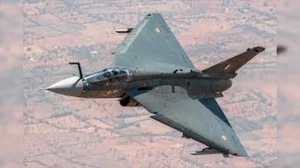
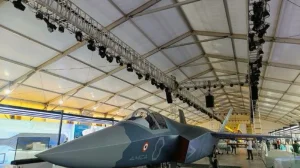
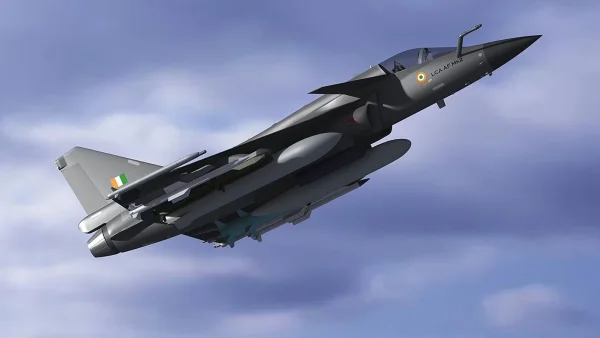
The F-414-INS6 engine will be the main power source for three fighter planes being designed and built in India: the Tejas Mk-2, the TED, and the first version of the AMCA. Using the same strong engine for all three will make it easier to get parts and train people to use them.
The F-414 is a design that’s already been proven, and is used in aircraft like the F/A-18 Super Hornet. It was chosen after a previous competition which included the Eurojet EJ2000, and shows how for many years India has been trying to get an engine that produces between 95 and t00 kilonewtons of thrust.
Local production, intellectual property and the supply chain
Currently, the idea is that about 80% of the engine will be made in India, and GE will give the rights to the technology for the Indian-made parts. This will allow Indian companies to make the most important pieces and put them together into the complete engine.
Increasing how much is made in India will require money to be spent on tools, quality control processes, and training the workforce. This arrangement has the possibility of reducing costs over the engine’s life, speeding up repairs, and building a group of Indian companies that can supply parts and support defense exports in the future.
Strategic and industrial implications
The HAL GE agreement is a major effort to become self-sufficient in defense and fits with the government’s long-term plans for industry. Making a powerful engine in India itself gives the country control over the technology for its main fighter planes and makes it less likely to be affected by issues with suppliers from other countries.
Aside from being in control of its own destiny, the project could create many high-skilled jobs, encourage investment in aerospace, and help related businesses. If India can successfully create an aircraft manufacturing system within the country, it could eventually offer complete aircraft to other countries.
Background and projected timeline
India first looked for a high-thrust engine in the 100 kN range in 2008, at which point companies from around the world competed for the work. The earlier technology transfer deals weren’t as extensive, but this current agreement plans for a much larger amount of technology being transferred and made in India.
With the technical details now settled, the business discussions will decide on the dates and how the process will happen. What’s next is getting the engine approved, test versions for putting it into each plane, and gradually increasing how much is put together in India, and people in charge say this deal is at the center of India’s future ability to fly into combat.
The agreement between HAL and GE is both a real step forward and a statement of what India wants to achieve. If it goes as planned, it could completely change how India creates, builds, and maintains its most modern fighter planes, and also move forward the wider goals of being technologically independent and growing industry.