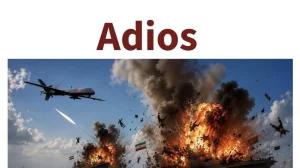
It’s been a long few months of missiles and standoffs at sea, but Washington and Tehran are finally ready to formalize their truce in person at the resort just outside Lucerne. The one thing that has already happened is the US giving the green light to the Strait of Hormuz, which is what the world was waiting for.
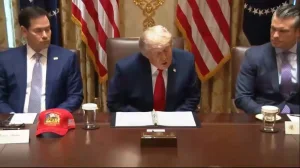
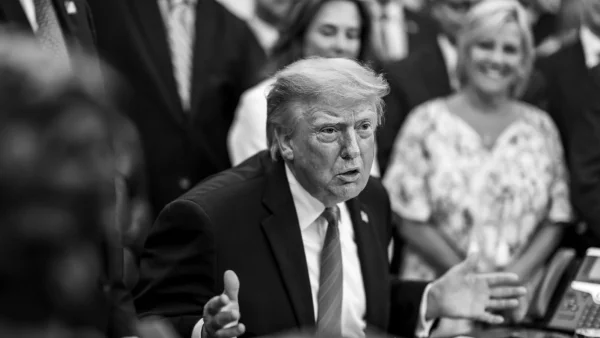
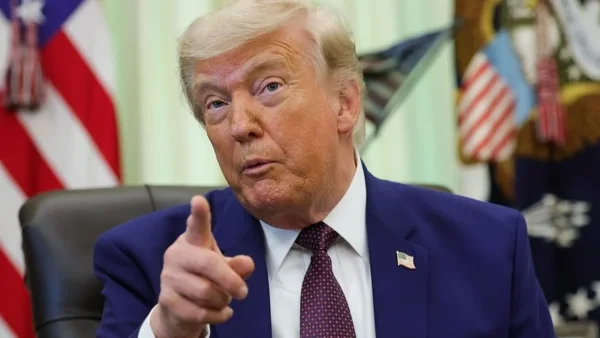
President Donald Trump made no bones about it in a post: ‘Ships of the World, start your engines. Let the oil flow!’ He went on to say, ‘I hereby fully authorize the toll free opening of the Strait of Hormuz, and, simultaneously herewith, authorize the immediate removal of the United States Naval blockade.’
Why a secluded Swiss mountaintop?
If you’re wondering why they picked such a remote spot, the Swiss foreign ministry says it comes down to security and seclusion. The site was put forward by not only the US and Iran but also Pakistan and Qatar. It’s easy to lock down when you have water on three sides of you.
‘We are here to make the practical and diplomatic arrangements for this to happen on our soil,’ a spokesperson put it. The resort is perched over Lake Lucerne in the middle of the country, an hour or so out of Zurich.
What they are putting to paper
On paper, it’s a memorandum of understanding. Both sides will tell you it was already signed off on electronically once the deal to calm things in West Asia was made public.
But when they meet at Burgenstock on Friday for the formality, the full text is still under wraps. There was some hard balling between the negotiators on the nuclear file, sanctions and the strait, so everyone is watching to see if the final version puts those to bed.
Who you will see at the table
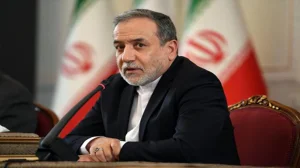
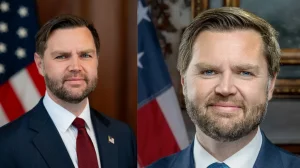
Iran has put its stamp on the fact that Mohammad Bagher Ghalibaf, their number one in these talks, will be there. For the US, it’s Vice President JD Vance. The White House is hinting that Trump could be in the room as well, but don’t count on it yet.
Vance was clear on one point: ‘We’ve already done the digital part of the deal.’ And as for any talk of money being unblocked? ‘There’s been no money released, and that won’t change,’ he said, nipping in the bud any speculation on sanctions relief.
How we got here
It all started with the strikes on Iran back on February 28 and the ripples across the region. Since then, it’s been an upward curve of escalation until now. The Strait of Hormuz has been the thorn in the side of the whole process, but officials say they have a way out of it.
With Trump’s order to stand down the naval blockade, you have a very quick turn from one-on-one to de-escalation. It’s a way to get the shipping lanes moving again before the leaders sit down to sign.
What to keep an eye on
The venue itself is a nod to the kind of high-stakes work neutral Switzerland is good for. But it also leaves you to wonder: once the cameras are put away, can they actually make this stick? Who is going to be the enforcer?
Right now, there are five things in play:
– The face-to-face at Burgenstock this Friday
– The US ok to the Strait of Hormuz
– Switzerland in the middle as facilitator
– Vance and Ghalibaf in attendance
– The e-memo is done and dusted
Without a copy of the text to read, you have markets and rivals left to their own devices on what the rules are for the nukes or the seas. We’ll be in the dark until they put some meat on the bone or show us something on the ground.
The message is plain for the moment: a tough spot for a hard compromise, and an open channel to show you mean it. In the coming days, we’ll see if this well-rehearsed event is enough to make the lull in fighting last.