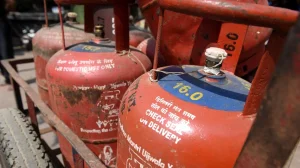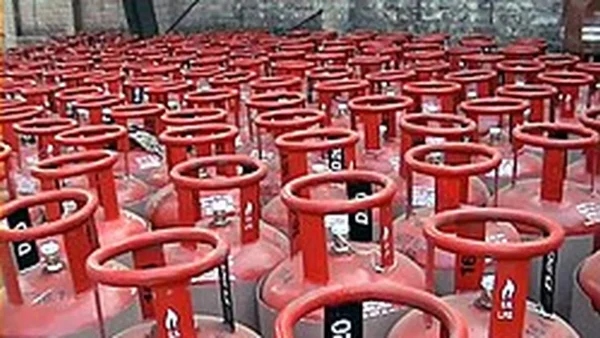
The national government has approved an extra 20% of commercial LPG, bringing the total amount for businesses to 50% of what each state needs. This is to help small restaurants, roadside food stalls (dhabas), hotels, canteens in factories, food processing companies, and cheap food places, while continuing to give first priority to homes, hospitals and schools.
Scope and priority beneficiaries
The extra LPG for businesses will mostly go to restaurants, dhabas, hotels, factory canteens, businesses that process and make dairy products, and cheap canteens run by the state or local governments. This also includes community kitchens and 5kg bottles of LPG that migrant workers can get for free.
This focus on where the LPG shortage has caused the most trouble, specifically with small and medium-sized food businesses that use LPG bottles every day. The extra LPG is meant to stop food services and providing food at important institutions from being interrupted.
Registration and PNG conditions for commercial consumers
Businesses and industrial users of LPG need to register with the government-owned oil companies (OMCs) to get the extra commercial LPG. They also need to apply for a PNG connection; this is required to be eligible.
The Secretary of the Petroleum department has told the OMCs to keep details on what sector each customer is in, what they use the LPG for, and how much they use each year. These steps are to make things clear, stop LPG from being stolen or sent somewhere else, and help people switch to PNG in cities where it’s available.
Supply measures, domestic output, and tanker arrivals
The people in charge of refining oil have been told to make as much LPG as possible and to take propane, butane, and similar gases that would have been used in petrochemicals and use them to make fuel instead. Because of this, LPG production in the country has gone up about 40% compared to before the crisis, and now provides around 16% of the LPG the country needs.
Two LPG tankers flying the Indian flag have arrived with fuel, having travelled through the Strait of Hormuz. They have added to the country’s LPG supply. Two more are starting their journey. These arrivals, along with the increase in production, have helped to stabilize the overall LPG supply, even though shipping in the Gulf area has been disrupted.
Crackdown on black market and easing panic buying
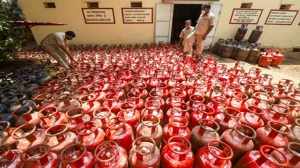
Police and other authorities have done over 3,500 inspections to find people illegally trading in LPG cylinders. They have taken about 1,400 cylinders in a number of states, in an attempt to break up people hoarding them and selling them on the black market.
At the same time, people in homes are not rushing to book LPG bottles as much as they were, and distributors say that most of the roughly 2,500 LPG dealerships across the country aren’t experiencing widespread shortages. Officials say this decrease in unnecessary booking has allowed some commercial LPG to be restored, while still making sure homes and institutions get what they need.
Implications for businesses and consumers
For small restaurants and food places, the extra LPG should make things easier immediately, but many are being encouraged to switch to PNG for a reliable, long-term supply. Using PNG means relying less on bottles and can reduce the burden on the LPG delivery system.
Migrant workers who get the 5kg FTL bottles will have easier access to LPG, which will help those in a difficult situation. While the registration and PNG requirement may be a bit of extra work for businesses, the government says that these steps will make sure LPG is distributed fairly and is not misused.
Outlook and policy priorities going forward
The government wants to be very clear that getting LPG to people’s homes, hospitals, and schools is still the most important thing. They are continuing to maximize how much LPG is made in the country, enforcing rules against hoarding, and encouraging the use of PNG in towns and cities.
There are still risks to the LPG supply because of political issues that are affecting important routes for importing LPG. However, the combined effect of increasing LPG production in the country, sending LPG to specific businesses, and stricter law enforcement, gives a sensible way to have a steady supply without stopping households from getting what they need.