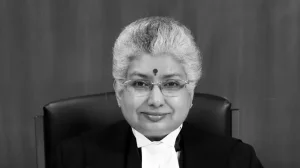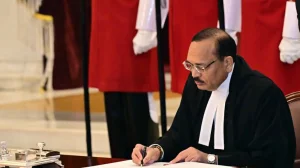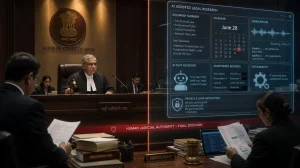
Justice Bindal specifically said that computer programs (algorithms) should only give advice, and a judge’s own careful consideration of the facts must always be in charge. He sees technology as something to make it easier for people to get to the courts, make things happen faster, and do research, but the core of deciding what the law means and what the facts are must still be done by a person.
Judicial caution on AI and decision-making
This idea is a wider issue in the legal world, about how much we should trust systems that aren’t open to view. Judges have to be responsible for how they come to a legal decision, looking at the evidence, and giving a detailed explanation of their ruling that can be appealed and examined by the public.
Data confidentiality and open-source risks
Justice Bindal was also specifically worried about platforms where the computer code is available to anyone and how that could endanger the security of information. Court information and details about people involved in cases have to do with privacy, security, and following the law, so they require very careful management when those systems connect with publicly available code.
Using open-source tools can lower costs and encourage new ideas, but they might reveal confidential information if there aren’t enough protections. The conference emphasized that we need secure ways of building these systems, strict rules for who can access things, and clear rules about how data is used and kept.
Conference on judicial process re-engineering
Over two days, the most important judges from the Supreme Court, Chief Justices, and people on the IT committees of the High Courts all got together to discuss making the court systems digital. They had sessions about managing cases, filing documents electronically, using data analysis, and research tools for the law, and focused on the actual difficulties of putting these things in place.
Justice J K Maheshwari concluded the event by saying that courts should continue to be reformed and that technology should continue to improve. Another part of the event showed what different High Courts are doing with technology, showing both creativity and how different places have different requirements.
Technological tools as aids, not substitutes
Those speaking at the conference said AI and similar tools can make routine work simpler, find important past cases, and estimate how much work the court will have. Used correctly, these tools let judges concentrate on complicated legal problems and the human side of judging.
To make sure things are fair, courts must demand that algorithmic recommendations are open to inspection, easily understood, and have a record of how they were reached. Judges and court staff should know how the computer models get to their answers, what the limits of those answers are, and what information was used to create them.
Policy implications and next steps
When responding with policy, we have to balance new technology with strong protections. Important actions are having good data management, choosing suppliers that build in privacy from the start, requiring assessments of the impact of new technology, and regularly checking for bias or changes in the computer models.
It’s vital to have training and to build skills. Judges, clerks, and IT personnel need to be taught the limitations of the tools, and how to understand what the models are saying. There should be clear rules saying that suggestions from the computer programs are not final and that a judge’s reasoning must be written down.
Court systems that use technology responsibly can make it easier for people to get justice, reduce the number of cases waiting to be heard, and be more transparent. But to get these advantages, we need a good system of management, safe technology, and a firm commitment to the court’s independence.
Basically, the conference showed a sensible view: technology can and should help the court system, but it shouldn’t replace the careful thought and being held responsible for a decision that are at the heart of justice. Now, people who make policy and run the courts have to turn this idea into rules that are actually enforced.