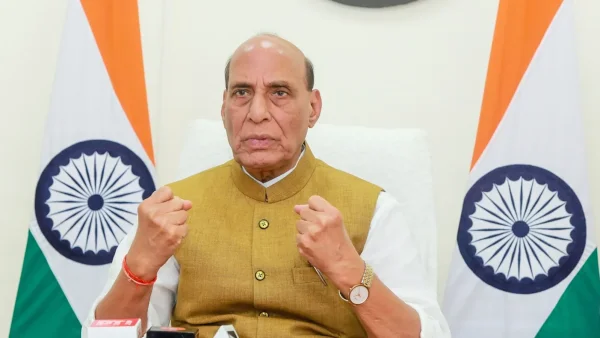
India is using this careful, balanced approach to diplomacy to make sure goods keep flowing through what is one of the most problematic areas of the world for transport. Mr. Singh said, praising Prime Minister Modi’s leadership, that more Indian ships have passed through the Strait of Hormuz during the current issues in Western Asia than any other country, even though generally things are unstable and this is affecting the price and delivery of energy and goods.
Strategic Shipping Through the Strait of Hormuz
A very large percentage of the world’s oil and gas goes through the Strait of Hormuz, so it’s a good indicator of how much political risk there is in the world. Although there was a short two-week period of reduced fighting, the issues in Western Asia have worried companies that send goods by ship and their insurance companies for weeks.
Considering this situation, Mr. Singh said that ships flying the Indian flag and ships going to India have continued to use the route in large numbers. Just recently, the Indian LPG (cooking gas) carrier Jag Vasant reached Mumbai after successfully going through the Strait, showing how determined India is to protect its energy supplies.
Government officials have been constantly assessing the risks, giving advice to ports, and working with other countries to avoid delays. Paying close attention to what’s happening at sea and using different routes when possible have also helped goods continue to move.
Balanced Diplomacy With the US and Iran
Mr. Singh believes India’s method of having good relationships with the United States and Iran is lessening problems at sea. He said India’s ability to speak with all sides is helping ships get through safely and protecting what’s important to India during this unstable time.
This approach is a practical one, where India is aligned with many countries. By continuing to talk to both Washington and Tehran, India hopes to reduce the chance of misunderstandings that could affect shipping, insurance, and the safety of the people working on the ships. Mr. Singh said this is India taking a balanced position when there’s a lot of uncertainty.
Talks over the weekend to try and calm things down in the region didn’t go as hoped. Because of this, continuing to have private conversations with those involved is even more important, and India’s connections can help reduce tensions and allow for practical cooperation at sea.
Shielding the Economy and Energy Security
Mr. Singh said India’s economy is still doing well even though the crisis has caused a lot of problems for energy prices around the world. He said people in India still have access to LPG, unlike in some other countries, and this is because of consistent policies and planning ahead for supply.
India’s plan for having enough energy usually involves long-term contracts, getting energy from many places, and carefully planning how it’s delivered. During times of problems, these things can protect prices inside the country and lessen the effect on transport, factories, and how much people spend.
Keeping ships moving through the Strait of Hormuz is essential to this. Every successful trip means the oil refineries can continue working, there are enough reserves of oil, and the supply chains downstream (the companies that use the oil) are all maintained. Mr. Singh’s comments suggest the government is concentrating on keeping these flows going and preventing prices from rising suddenly.
Economic Scale and Defense Self-Reliance
The Defence Minister also said this success with shipping is part of a larger story of India being able to cope with difficulties. He noted that India, which used to be considered to have a weak economy, is now one of the four biggest economies in the world. When a country is large, it’s better able to deal with crises: larger economies can better handle shocks, get money, and get good deals.
Regarding defence, Mr. Singh said India is quickly becoming more able to make things for itself. He said India used to buy important equipment from other countries, but is now increasing how much it makes itself of equipment, planes, and drones. Having a stronger industry at home can make sea transport more secure, improve watching what’s happening at sea, and reduce how much India depends on other countries for supplies when there’s conflict.
This move towards being self-sufficient also helps the economy. A bigger industry within the country creates jobs, encourages new ideas, and increases exports, and makes India better at protecting shipping routes and dealing with unexpected events.
Political Context and Public Messaging
Mr. Singh made these comments in Lucknow, while at a book launch remembering Lalji Tandon, a former leader. This location highlighted a wider political point: national security, a stable economy, and a fair approach to international relations are all being presented as important and connected parts of how the government works.
This kind of communication is intended to reassure businesses and people that the government is focusing on things continuing as they are, even though there are external risks. It also shows how domestic strength and how India acts in the world are related.
Outlook: Managing Risk Amid Prolonged Tensions
What happens next will depend on whether the countries in the region can calm things down and make things predictable for shipping companies and their insurers. If trouble starts again, it could reduce the time ships have to travel, raise the cost of insurance for war risks, and put a strain on transport networks in the Indian Ocean area.
For India, the main things will be to protect the people and goods on ships, keep a variety of energy sources coming in, and make sure the country’s finances and the rate of inflation stay under control. Continuing to have a balanced approach to dealing with the US and Iran, along with careful watching of the sea and well-planned supply, will be essential for getting through the Strait of Hormuz during this crisis.
If India can manage these things, its ability to keep ships moving, have enough energy, and continue growing the economy can remain strong despite the difficulties caused by the problems in Western Asia.