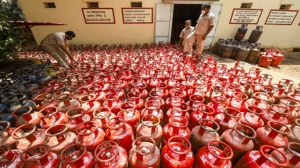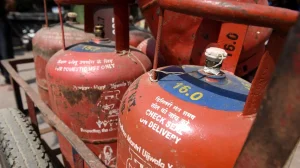
The fighting in Western Asia has people worried about fuel being able to get through key areas like the Strait of Hormuz. If shipments are stopped or delayed on these routes, it affects energy markets all over the world, making it harder to get fuel and more expensive to transport and deliver LPG and other fuels.
Adding to the problem, countries that sell fuel are now more focused on making sure they have enough for their own citizens. When they pause exports or send shipments elsewhere, it makes the situation even more uncertain, and makes it harder for businesses that regularly get gas in cylinders to plan.
What Jubilant FoodWorks told exchanges
Jubilant FoodWorks explained in a statement to regulators on March 28th that getting commercial LPG to some of its restaurants has been difficult because of the situation in the world. However, they say this problem isn’ andt widespread and they are watching things closely to protect their business.
Jubilant is in constant contact with the oil companies to get the latest information and figure out how to respond. They also have strong systems and plans in place to deal with short-term issues and prevent customers from being too affected.
Operational measures and alternative energy shifts
To use less gas in cylinders, Jubilant is doing a number of things to save gas and quickly move to other energy sources. They are working on using more electricity and getting piped natural gas where they can, with the goal of being less affected if they can’t get enough gas in cylinders.
They are also making small changes to how they work, like changing when they cook, focusing on menu items that use less gas, and making sure their equipment is used efficiently. These ways of conserving gas are in line with what the industry advises and will help them continue to serve customers as the gas supply changes.
Industry advisories and franchise responses
Food service industry groups have suggested restaurants save fuel by staying open for fewer hours, having simpler menus, and cooking efficiently to use less LPG. Many chains and individual restaurants are trying these ideas while keeping an eye on how much customers are buying and how much profit they are making.
Some restaurants have temporarily stopped serving at certain locations where they haven’t been getting enough gas. These choices are usually local and don’t last long, and are made to make sure the food is good and safe until the gas supply gets back to normal.
Government steps and supply outlook for businesses
The government says LPG is still being delivered despite the difficulties and has increased the amount of LPG going to businesses to help industry. Recently, the government increased how much LPG businesses can get, bringing it close to the amount available before the conflict, to meet the needs of businesses and avoid long-term interruptions.
Government officials are also recommending that both homes and businesses switch to piped natural gas, because it is produced within the country and comes from many different import sources. This switch would help companies with good backup plans to reduce future risks from relying on LPG cylinders.
Jubilant FoodWorks and other large companies will continue to get updates from their suppliers and make changes to how they operate as needed. Customers might see some temporary changes to the menu or service at some restaurants, but the companies say they are working to avoid interruptions and continue to provide the same quality.