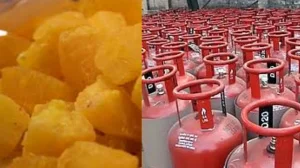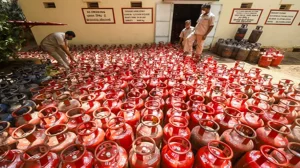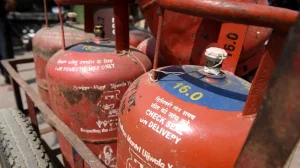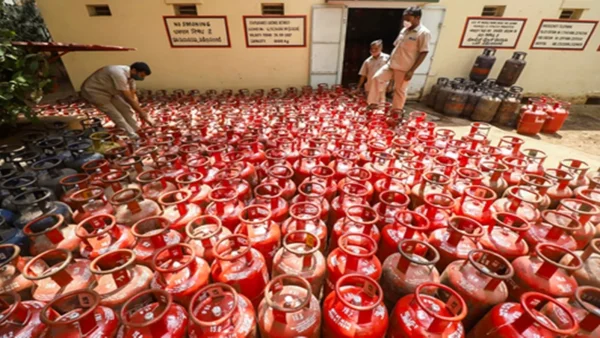
The government specifically said that false reports about LPG supplies are needlessly worrying the public and leading to a few instances of people rushing to stores for LPG. In a letter to the most important people in each state and territory, Neeraj Mittal of the Petroleum Secretary, requested that the public be told what is going on much more clearly and quickly, because at the moment only seventeen of the states and territories regularly or sometimes hold press conferences.
Overview of the advisory
The Ministry of Petroleum and Natural Gas has noticed that false information is continuing to go around in some areas and is disturbing the usual way things are delivered. The letter asked states to be much more active in regularly contacting the public, so people get current, accurate information about when LPG will be available and how it’s being moved around.
This warning came after a notification on March 27th that connected the recent problems in the Middle East with the strain on the worldwide system of getting goods around. The ministry said that misleading posts on social media about the cost of fuel and how much LPG is in stock are adding to the pressure on how LPG is delivered in the country.
States conducting regular briefings
As of the letter, only those seventeen states and territories are holding regular or occasional press briefings to calm the public and fight false information. The ministry said this small group of places are a good example of how to communicate with the public in a forward-thinking way.
Those states are Andhra Pradesh, Arunachal Pradesh, Bihar, Gujarat, Himachal Pradesh, Jammu and Kashmir, Kerala, Madhya Pradesh, Maharashtra, Meghalaya, Nagaland, Odisha, Rajasthan, Tamil Nadu, Telangana, Uttar Pradesh, and Uttarakhand. The central government asked the remaining governments to do the same thing immediately.
Why public communication matters
When the government is clear and consistent with its messages, people are less likely to act in unusual ways and demand a lot of something all at once, which would interrupt the supply. Having a briefing every day, with someone in a high position, shows that the authorities are watching the amount of LPG and how it’s being delivered, and this leaves less room for rumors and panic to start.
Using social media and electronic media quickly is essential to get to people. When the government gives out official updates with clear information about how much LPG there is and when it’s being delivered, people have more trust and are less likely to keep more than they need or go to secondary markets where prices are higher.
Enforcement steps and supply assurances
The ministry also said to be on the lookout for unfair actions like hoarding and selling on the black market and said to continue to take action against those things when necessary. Officials were reminded to keep an eye on where LPG is sold to both people and businesses to find and stop people from taking advantage of consumers.
The government also repeated that there’s plenty of crude oil in storage, enough for approximately two months. Oil factories are working at a high rate, and the people in charge of things have said that there aren’t any major issues at stores, which gives further assurance that there won’t be a shortage.
Practical guidance for states and citizens
States were asked to have a press briefing every day, give the people speaking at the briefing facts that are verified, and use social media and electronic channels to distribute the correct information. The ministry said that regularly communicating at a high level can stop false stories from spreading.
People are told to follow the official updates, not buy a lot at once, and tell local authorities if they suspect someone is hoarding or illegally trading. The government also suggested looking at longer-term solutions, such as more households connecting to piped natural gas (PNG) to rely less on LPG cylinders in the future.
The main point of the central government is this: communicating with the public better and enforcing the rules firmly will limit the damage caused by misinformation and make sure LPG is delivered without issues. When the central and state governments work together, they can stop people from rushing to buy LPG, protect consumers, and the market can deal with problems from outside.