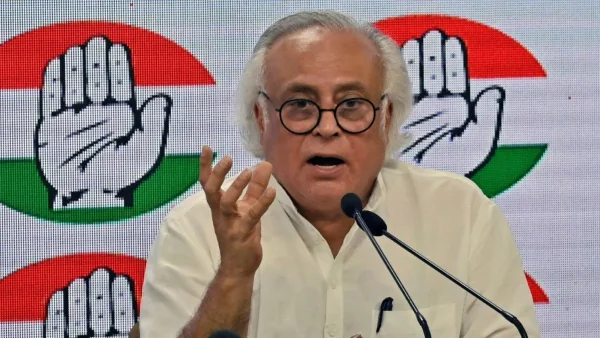
On Tuesday, the Congress upped the ante in its case against Narendra Modi, pointing to an uneasy silence from New Delhi as the conflict in the region puts India’s economic interests at risk. They have made a direct link between the stakes and things like oil prices and the Strait of Hormuz, and in the process, have let fly with a ‘so-called fatherland’ quip for the Prime Minister.
Congress ratchets up the heat on PM Modi
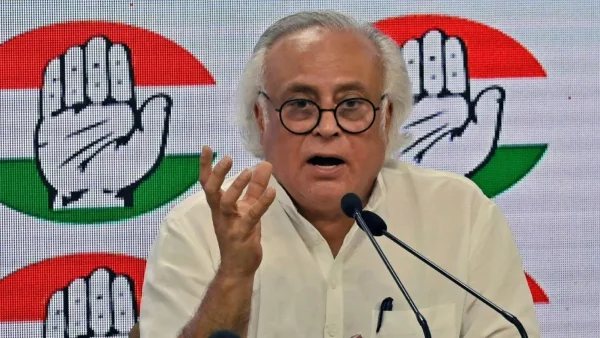
Jairam Ramesh, the general secretary who handles communications for the party, put it bluntly: the Prime Minister has been “completely silent” while Israel has been at work in Lebanon. In Ramesh’s view, India is hardly in the vanguard of nations denouncing the offensive.
Then he made a bit of a political move, wondering if the “so-called fatherland” was of more import to Modi than his “actual motherland”. It was a way for the party to make this about more than just strategy; it was meant to be a moral question as well.
The Strait of Hormuz, oil and what’s being said
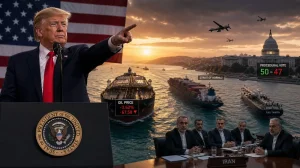
Ramesh has been quick to connect the dots to India’s pocketbook. He has been following the US and Iran as they try to cool things down in West Asia and says any kind of deal there could see the Strait of Hormuz open up again, which would be good for global oil prices and, by extension, for us.
But he says that is all being put on hold by what he calls “unprecedented incursions” by Israel in Lebanon. The longer the campaign drags on, he says, the less likely you are to see a wider understanding come to pass.
In short, here is what Ramesh is saying:
– You can’t have US-Iran talks with Israel in the way they are
– A proper deal means the Strait of Hormuz is back in play
– And when oil comes down, India is the one to thank
A Trump-Netanyahu phone call in the mix
For some colour on the diplomatic side, Ramesh has been touting reports of a hard-edged call between Donald Trump and Benjamin Netanyahu. The word is that the US President was no happier with the Israeli PM in their recent exchanges.
There are also accounts that Trump put the brakes on a strike Israel had in mind for Beirut. In one version of events, after Trump told him to stand down, the Israelis did just that and pulled back.
Where things stand in the region
The opposition will have it that what Israel is doing in Lebanon is muddying the waters for de-escalation. They point to warnings from Iran that they may be done with the US if the operations in Lebanon don’t stop.
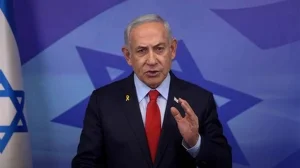
And then you have Netanyahu, who has made it known that if Hezbollah keeps up the attacks, he will be after “terror targets” in Beirut. Congress is using that to show how uncertain the whole thing is.
What they are after
So Ramesh is asking for some plain speaking from the government. Why is there no public word on Israel? He makes the case that you can’t have such a blank slate when you are as exposed to the energy and maritime markets as we are.
What it means for us and what to look for
Congress is of the opinion that our strategic and economic future is tied up in how the US and Iran get on. If they can talk and the Strait of Hormuz is clear, Ramesh figures it will take some of the heat off oil prices.
They say that when your partners and rivals are making moves, you can’t afford to be as quiet as New Delhi has been. Whether the government will speak up or not is the rub, and that is the challenge they have put to the Prime Minister.
Some of the things to keep an eye on:
– Where the US and Iran are in their de-escalation efforts
– How far Israel goes in Lebanon
– If anything is put on the record from New Delhi
At the end of the day, the Congress has made a far-off conflict into a home-front issue. They want to be seen as the ones holding the line on foreign policy, with the argument that what happens in West Asia is going to show up in our fuel bills and on our shipping routes.