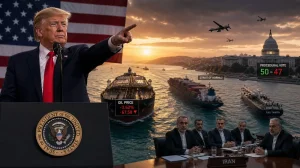
It was enough to put a jolt in the oil market: Washington has rethought how to handle Iran. You see, after word came out that back-channel discussions had been put on hold, prices tacked on more than $6 a barrel. For his part, President Donald Trump made it plain he’s not in the mood to be dropping any bombs, but he will ratchet up the pressure with a good old-fashioned blockade and by saying nothing at all.
Washington pivots to a silence-and-blockade strategy
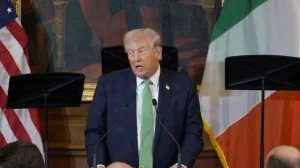
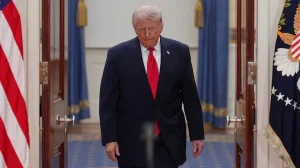
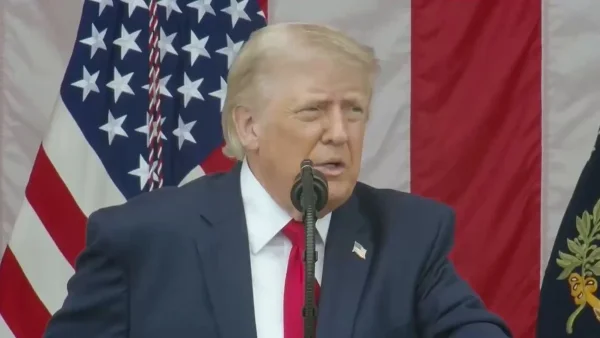
You won’t hear from us as much, says Trump, in what is a change of pace. In a phone call he put it bluntly: ‘I think we’ve been talking too much… I think going silent would be very good.’
As for any talk of an immediate military response, he’s having none of it. ‘It doesn’t mean we’re going to go and start dropping bombs all over there,’ he said. ‘We’ll just go silent. We’ll keep the blockade. Blockade is a piece of steel.’
He’s in no hurry to make a deal. ‘I think I can wait as long as they want,’ was his line of reasoning, and he figures the pressure is telling: ‘They’re losing a fortune.’
Key statements from Trump
In case you missed it, here is the bottom line from the US President as things have ground to a halt:
– No, we are not going to be dropping bombs.
– We’ll let the blockade do the work and we will ‘go silent’.
– He is prepared to wait ‘as long as they want’.
– There is no need to be in a rush.
Tehran pauses mediator-led exchanges
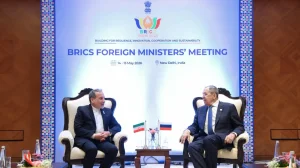
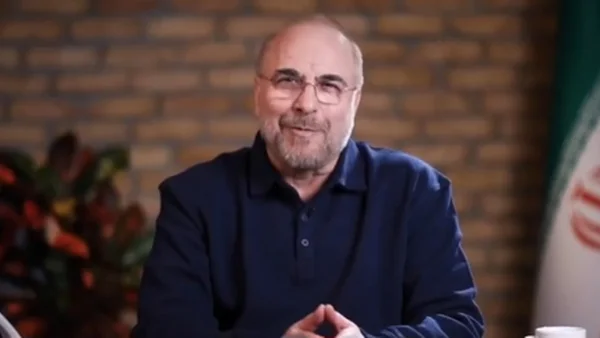
According to Tasnim, one of Iran’s semi-official news outlets, the team on the ground is done with the back-and-forth through intermediaries for now. Trump, for one, says he hasn’t been given any formal notice. ‘But they haven’t informed us of that,’ he noted.
Then you have Foreign Minister Seyed Abbas Araghchi, who put it on the record that a ceasefire means a ceasefire on every front, Lebanon included. Any violations, he warned, and the US and Israel will have to answer for it.
Risks around Hormuz and Bab el-Mandeb
Tasnim also put out word of some of the more aggressive moves being tabled in Tehran: a complete shut-down of the Strait of Hormuz or some trouble at the Bab el-Mandeb. Even if it’s not confirmed, it’s enough to get energy traders on edge.
That’s where you get a $6+ per barrel bump – it’s the fear of a supply squeeze if those chokes are put in play.
Lebanon front complicates diplomacy
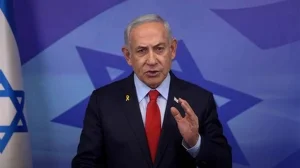
And to make matters more complex, you have the situation in Lebanon. The weekend saw Israeli forces make their most in-depth foray into the country in 20 years, and on Monday PM Benjamin Netanyahu gave the order for new strikes in the south of Beirut where Hezbollah is in control.
So the pressure is on. ‘We’ll keep the blockade,’ Trump said, calling it a ‘piece of steel.’ It’s a way to put a crimp in Iran’s exports and trade, though some in Tehran may be looking to find a way around it, whether through the Neka terminal or pipelines, according to the experts.
The plan is to leave it be until we have a final say-so. Trump sees it as a form of leverage. ‘Better negotiators than they are fighters,’ is how he puts it.
What to watch next
A few things will tell us how this plays out:
– If and when Tehran gives Washington an official word on the stand-down.
– What happens at the Strait of Hormuz or the Bab el-Mandeb.
– Where the Israelis are headed in Lebanon.
– Whether the middlemen can get anything moving again.
For the moment, Washington is of the mind that a bit of time and some economic pain will change the equation in Tehran. The result is what you see: a tense market, a cold shoulder in negotiations, and a policy of waiting for the other shoe to drop.