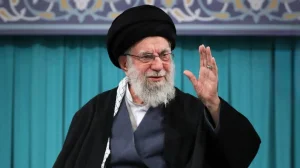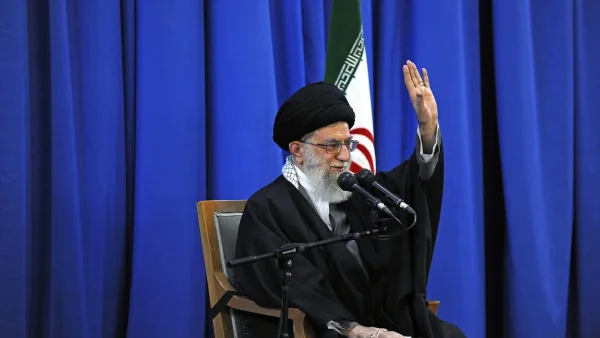
You could say Khamenei has made the most of the Hajj to couple his call for one voice with some of the sterner words you can find on the United States and Israel. It puts a finer point on what is going on in the Gulf and how well these diplomatic overtures will hold up. He is putting it to governments to get in step and move as one.
There is no mistaking the strategy here. While people in the region are trying to make a tenuous ceasefire work, this kind of rhetoric can put an edge on things and stir up the home crowd. At the same time, it is an attempt to make the bond of the Hajj mean something in the form of political action from one capital to the next.
Hajj message and a call to align with Tehran
On X (what was once Twitter), Khamenei put out an open invitation for leaders to put in some real work with Tehran and deal with the issues they have in common. He put a spin on it as being matter-of-fact and about finding solutions, asking for a hand in friendship and partnership.
In his writing, he says that if you put your heads together you can make headway for the Islamic Ummah and sort out the world’s ills. The point is made: we want to see unity in practice, not just in name.
Sharp words for Washington and Tel Aviv
Khamenei didn’t mince words when it came to the US and Israel. He called Israel a ‘cancerous tumor’ in its last throes and said you will be hearing more of it from the region.
‘Death to America and death to Israel will be the common slogan of the Islamic nation and the oppressed of the world, especially the youth,’ he put it. In his view, that is the kind of public feeling that will be moving the needle in regional politics.
Strikes and counter-messaging
This comes on the heels of some military posturing around the Strait of Hormuz. After the US hit some of Iran’s missile and sea assets, Khamenei made it known that the area would not be a place for American ‘mischief’ any longer.
The Pentagon has its own side of the story, of course, calling those strikes ‘self-defence’ and saying they were warranted. But the give-and-take has everyone wondering if the ceasefire can be held and if the diplomacy meant to keep a larger war at bay is up to the task.
These are the points Khamenei was after with his message:
– A push for unity, timed with the Hajj
– A direct nudge to work with Tehran
– Some parting shots after the Hormuz incidents
– The Pentagon’s ‘self-defence’ line
– Ongoing unease about the ceasefire
Pilgrims as messengers and stated aims
It is not just for the chancelleries; Khamenei also had a word for the people. He told the Iranians at the Hajj to be the ones to put forward Iran’s ‘victory’ in this stand-off and to be the face of a ‘bright future’ for the rest of the Islamic world.
He ended on a note of prayer for the ‘liberation of Palestine and Al-Aqsa’ and for the day of ‘final victory against global arrogance’. You can see the through-line: a moral cause to back up the mobilisation.
What to watch next
We should expect to see more of those anti-US and anti-Israel cries, from the young in particular. When it happens, it will be pressure from the streets for officials in the region as they try to do their job.
All of this is happening while the room is still trying to avert a wider war. Governments have to do the math on whether to ratchet up or to come to some kind of agreement, even with all the outside forces and priorities in the way.