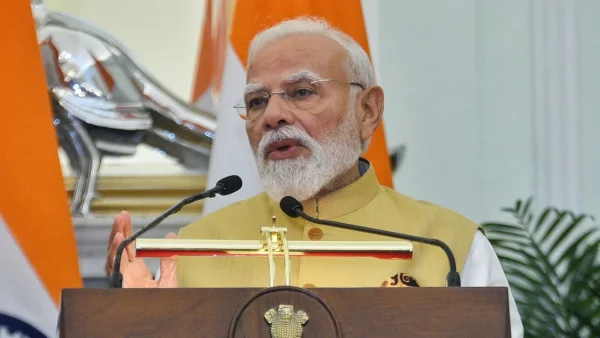
After a phone talk with the Prime Minister, the US President – Donald Trump – publicly praised Anthony Albanese. Trump said five of the players were ‘being looked after’ and asked Australia to grant them asylum, pointing out that sending the athletes back to Iran could put them in danger.
What the President said and publicly stated
Trump put on his social media that he’d spoken to the Prime Minister directly regarding this. He stated the Prime Minister was ‘dealing with it’ and that Australia had already assisted some players, and others were on their way to safety.
The past president also claimed that should Australia not provide safety, the US was prepared to accept the players. His post presented the problem as a sensitive humanitarian one and gave credit to Albanese for the way he was handling it.
Players looking for safety and protection in Australia
Reports show that a minimum of five members of the Iranian team broke away from the team after being knocked out, and then asked the government for protection. The Australian authorities have put these players under watchful care whilst officials look at the claims and what options there are.
Outside, supporters got together to show they were in agreement, requesting the government to guard the athletes. The protestors waved the historic Lion and Sun flag – linked to pre-revolution Iran – and called out phrases asking for the players to be protected.
Not singing the anthem and the reaction in Iran
The trouble began when a number of players chose not to sing their national song before a match against South Korea. This caused a strong response from people in authority and writers in Iran, with some asking for really bad punishment and calling the players disloyal.
The team did sing the anthem in the two games after that, however critics in Iran described the first refusal as a very serious act of disgrace. Supporters are worried that punishment may also be given to the players’ families, which has made a few athletes unwilling to leave.
Worldwide reactions and the asylum argument
The incident has attracted attention from around the world and brought up again arguments about asylum, protecting refugees, and what countries owe each other in diplomacy. People who defend human rights warn that sending athletes back to countries where they’ll face threats can result in being badly treated, or worse.
Australia has a tricky decision to make: to weigh up immigration and asylum rules with diplomatic links and what the public want. Trump publicly asking Australia to do something puts another layer on things, pressing Canberra to act quickly and showing how important the humanitarian issues are.
What might happen and what happens next
The legal routes could be temporary protection visas, official asylum requests, or having a third country take them in. Police and immigration staff normally check people’s identities, write down safety risks, and look at the legal rules before approving protection.
Talks between countries may go on secretly, as countries who might accept the players balance the safety of the people against international relations. Groups in the community and activists will likely play a role in helping with moving, legal help, and helping the athletes fit in, should protection be given.
The situation is still changing. The main things governments and those who help want are to make sure people are immediately safe, to look at real dangers, and to find lasting answers which respect people’s rights and correct legal process. What happens will test how countries act when athletics meets political pressure and risk to people’s lives.