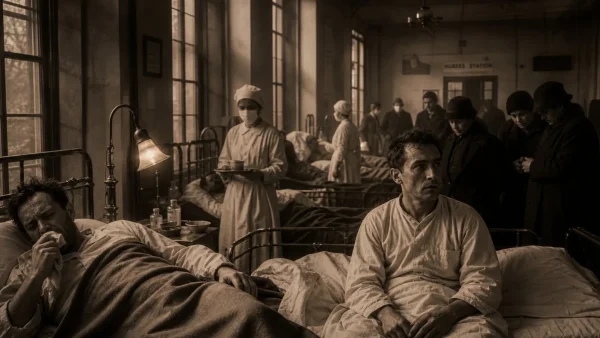
Go back a hundred years and you find a whole lot of people in Europe and North America who fell into a kind of sleep that wasn’t really sleep. Some were out for days; some would just look on, blankly, for hours. They called it encephalitis lethargica. It was a fixture of the time after the war and to this day we don’t have a firm answer on what brought it on, so the search goes on for both the families and the science community.
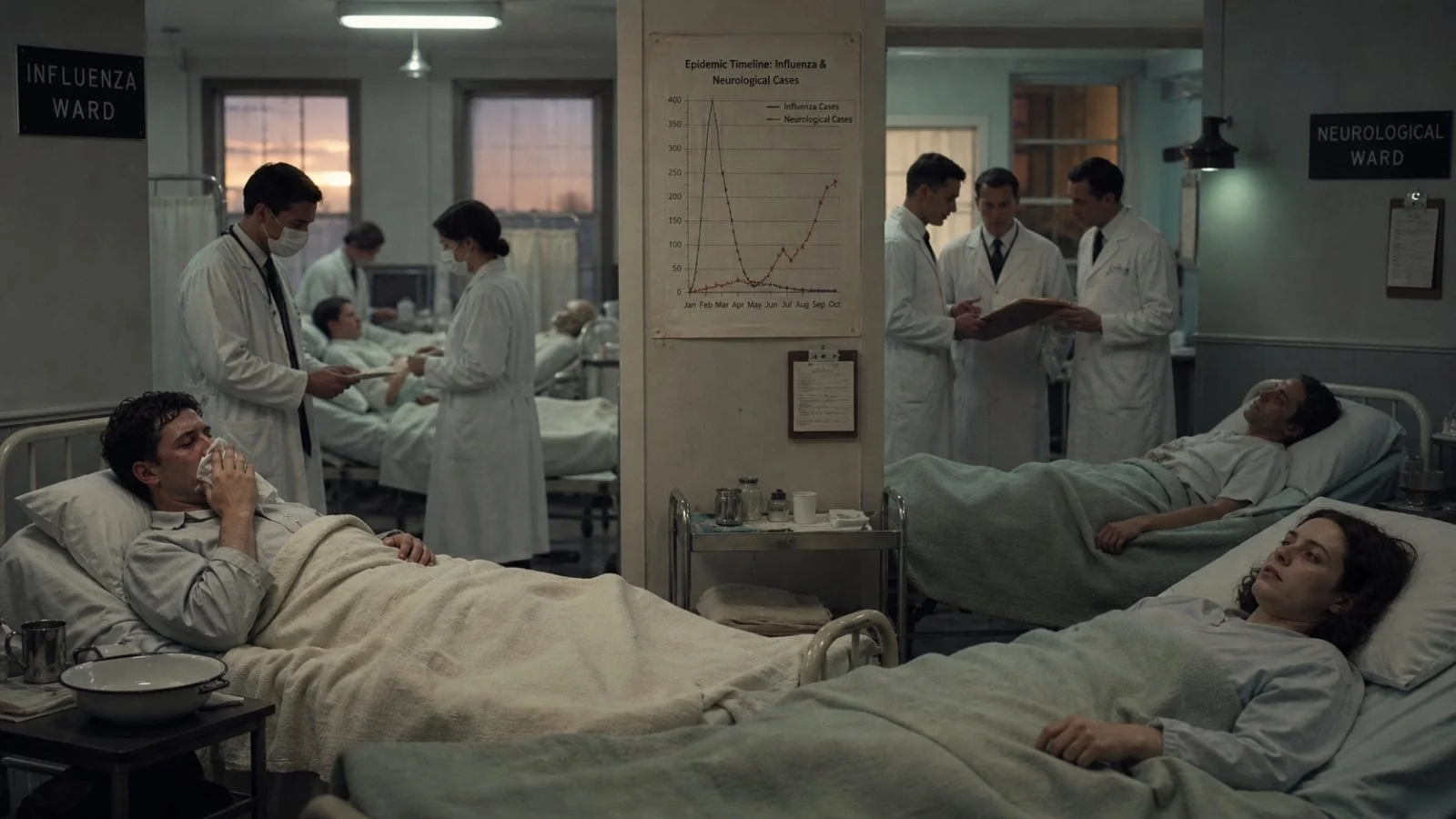
A parallel crisis to influenza
It made its appearance when hospitals were already swamped by the 1918-1920 flu, which made for a muddied picture. The flu was one thing, but then there was this. A few had some of the same symptoms before their minds gave way, but you’d also see cases with no prior infection to speak of.
You could read the reports from the 1920s and see where the numbers would go up and then drop off. The syndrome didn’t even present the same way in every part of the world, as though it was a different beast depending on where you were. The ASM has pointed out that such variance made it hard to be sure of any one pathogen being to blame.
For the clinicians on the ground, it was a matter of putting down what they saw, even if it didn’t fit. An infectious link was a fair bet given the overlap with the flu, but the evidence never quite held together. Encephalitis lethargica had a way of going its own way, even in the same room as a patient with the flu.
What families witnessed on the wards
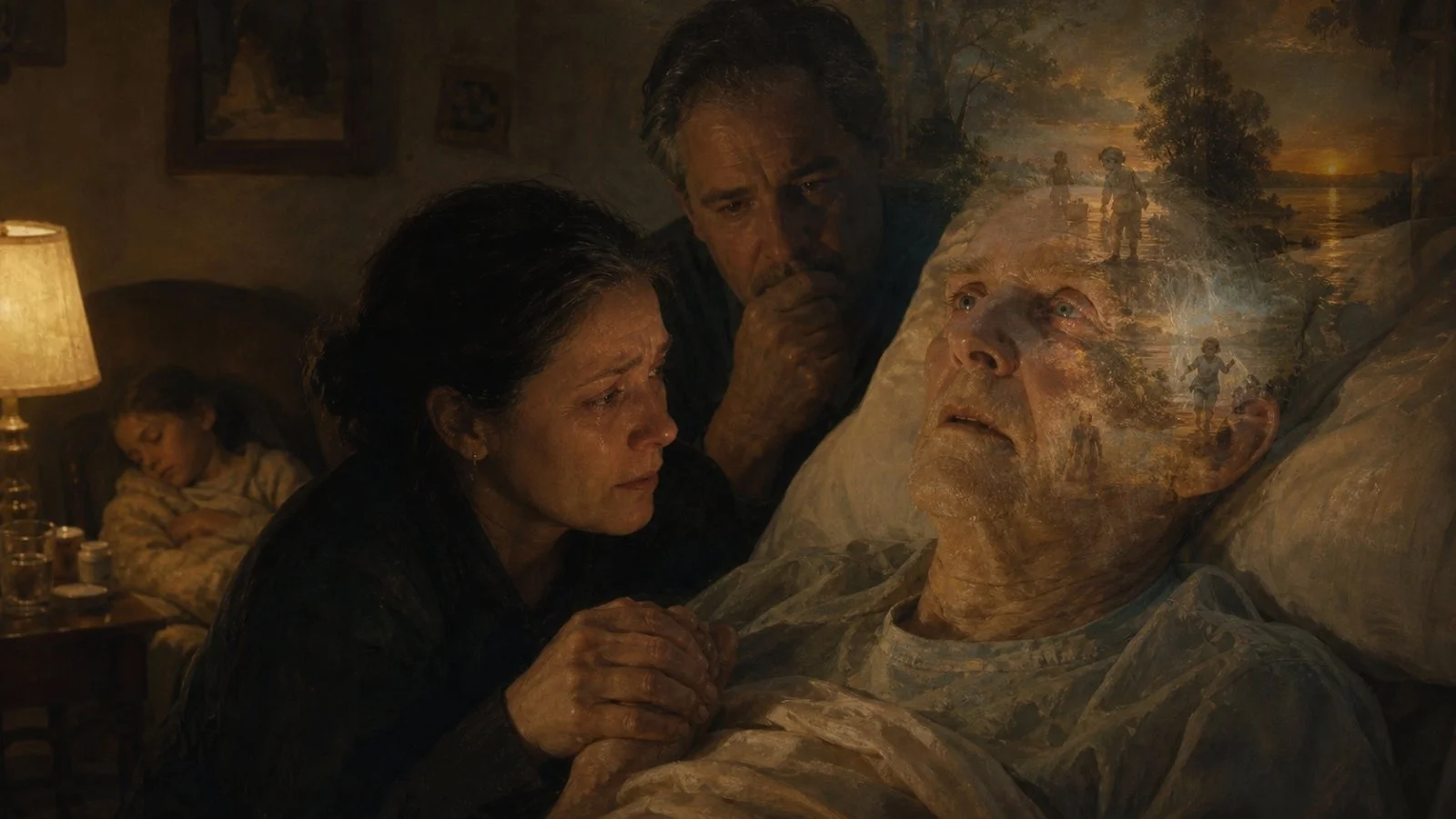
The relatives’ stories were not of mere fatigue. They talked about a limbo where the line between being up and being in a dream was blurred. You might get a word or two out of them, and then they were quiet again. There were those who would sit there, not blinking, as if someone had put a switch on their focus and turned it off.
Then there were the ones with fits of restlessness or a kind of agitated energy, only to be overcome by a heavy lethargy. For a lot of households it was a double blow. The mind went first, the body in its wake, and you were left to wait for something to come back over the course of weeks.
You never knew how it would play out. One person’s condition would take a turn in a few days, another’s would meander for months. And for some of the ones who made it through, it wasn’t so much a recovery as a change in the person you had to deal with afterwards.
Put simply, here is what you heard from those who were there:
– A sleep that would not let go
– Open eyes, a motionless frame, and no one home
– A moment of being roused, and then right back to it
After the fevers, a different illness emerged
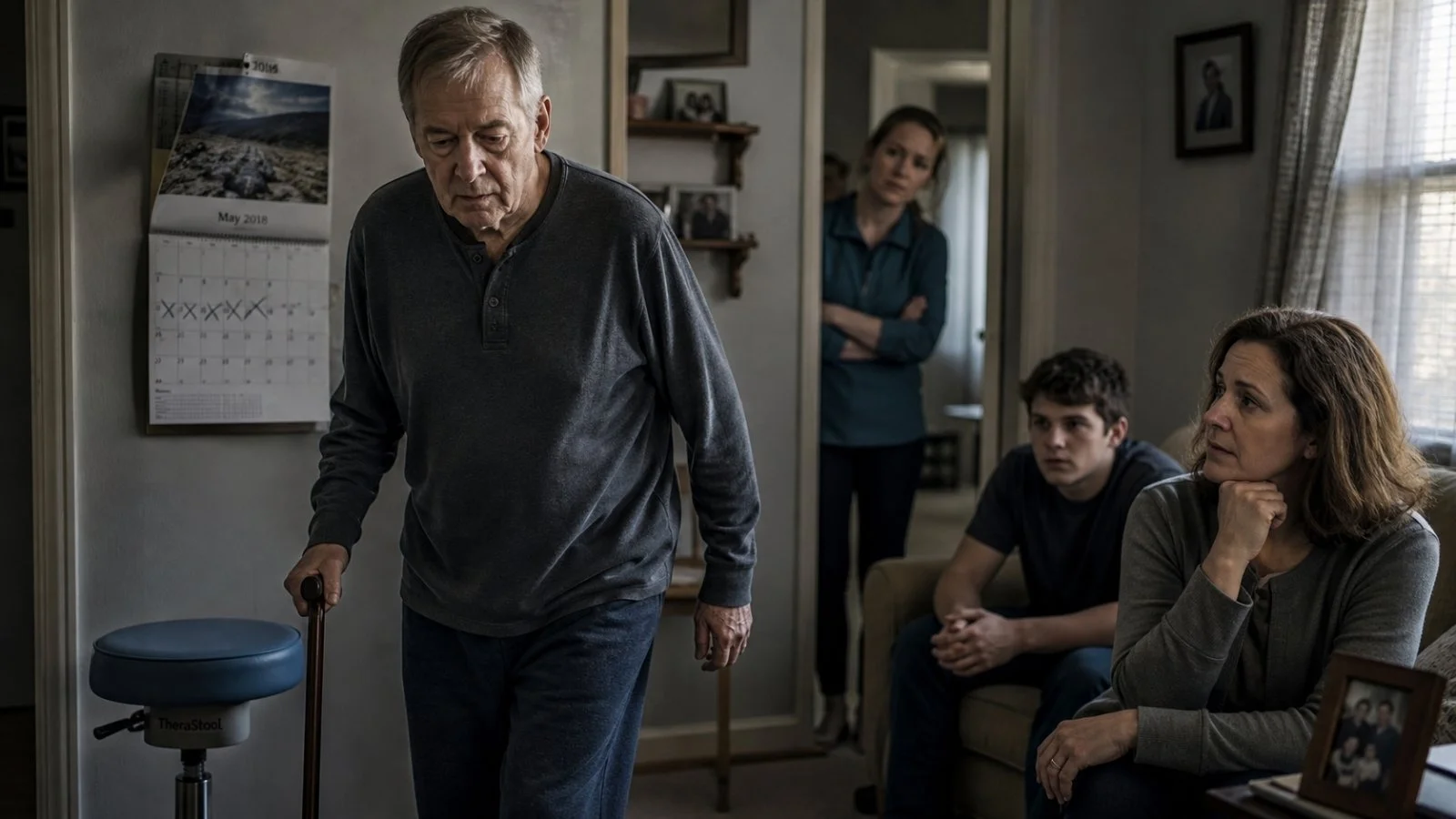
The tale didn’t stop for some when the initial wave was over. It could be a while before you saw it: the stiffening, the loss of a face’s tell, the way movement became a chore. In case after case, in country after country, you could spot what we now put down to Parkinsonism.
It didn’t happen to all of them, but it was a pattern. The medical men of the day put it in their notes: the gait, the slow to react, the way the face no longer showed what was inside. Recovery was no longer a straight line; these late effects made of it a protracted trial, and they put a new spin on the way people lived even once the sickness was behind them.
Then there were the changes in character that families had to deal with. An extrovert would turn in on himself, there in the room but not really present. You couldn’t say for sure if it was some residual inflammation or something else. The boundary between what the disease did and what was left in its wake was hard to define, and you could be left without answers for years.

The unfinished argument over cause
Right from the start, most eyes were on infection. Given that the flu and encephalitis lethargica were at their height at the same time, it was easy for doctors to see a connection. A few thought the flu was the instigator of the brain’s inflammation. Some even drew parallels to odd neurological cases from the 1800s.
It wasn’t until much later that lab work was done on old tissue. One set of tests seemed to show the kind of viral residue you’d expect from an enterovirus. But then you’d have another study come out with nothing to point to, and any hope of a clear-cut finding would wane.
As we learned more about the immune system, some put forward an autoimmune theory. It was a hard sell, though, for a condition that had so many victims on every continent to be explained by a self-attacking body, at least with the knowledge we had then.
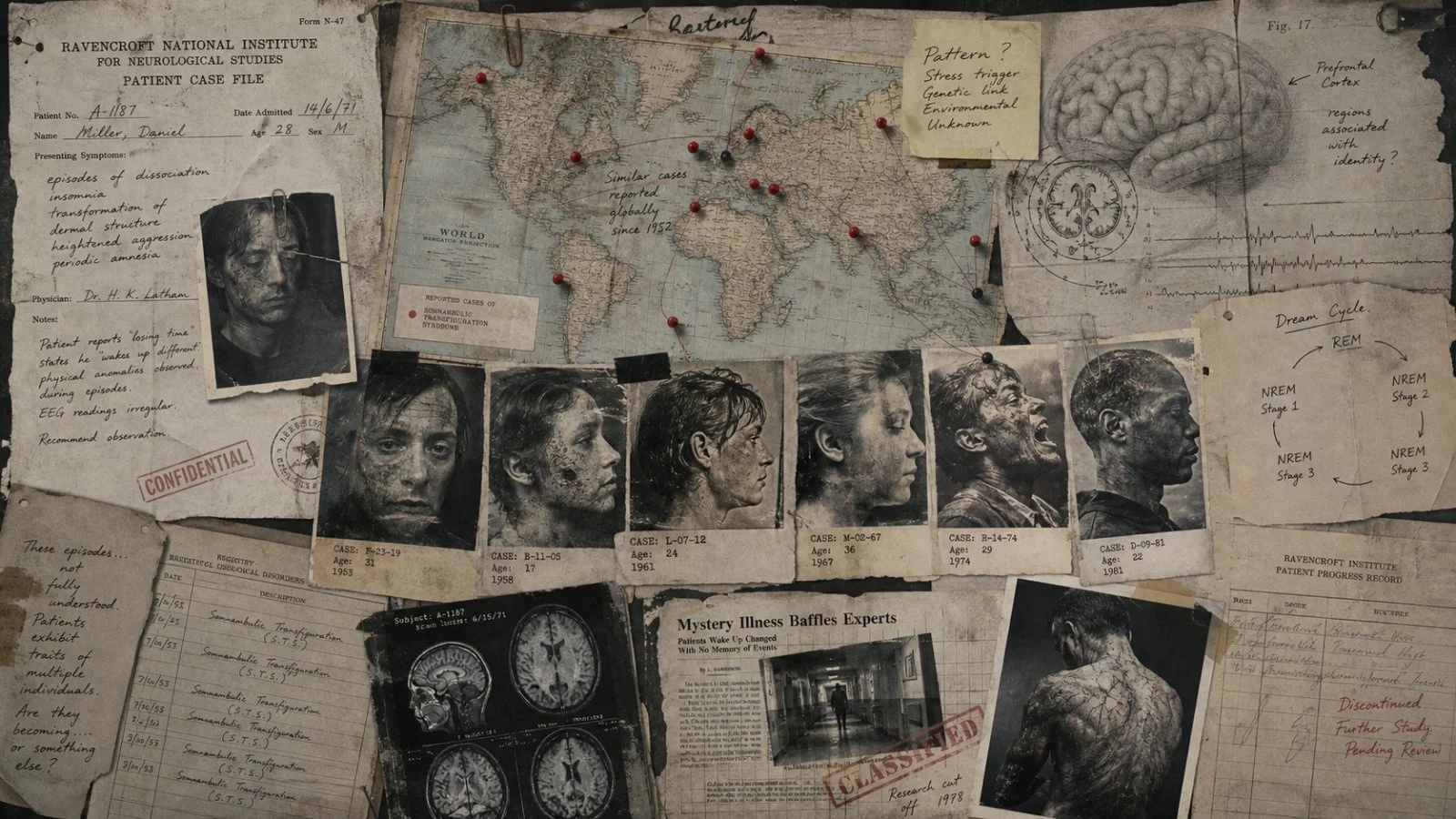
A shape-shifting syndrome
You can’t put a label on this one. It didn’t behave like a typical disease so much as a series of hiccups in the system that happened to run in tandem. Even after the worst of the epidemic was over, you’d still see the odd case pop up. Not enough to make a trend, but enough to be on your mind.
Fast forward to the 2000s and you find very few reports from around the world, and even those don’t always line up with the stories from back in the day. It puts you in a position of having to wonder: was it all one thing, or a number of things that happened to coincide?
It makes for an awkward fit between the history books and modern neurology. The files are full of holes where you want to find a resolution. When a family inquired when their loved one would be back to normal, the answer was often unsatisfying.
Why it still matters today
There is no getting around the mark this left on the field. We’re still looking at the old files, the tissue in a jar, and any new patient who has a case that looks like the original, in an effort to tie up some loose ends.
This isn’t just an academic exercise. When you have a condition that can put you in a coma, rob you of your motor skills and alter who you are, it forces us to re-examine how we view the brain and what happens when a pathogen gets in there. What we can learn from encephalitis lethargica is good to have in reserve for the next time a new bug comes along.
If you are following where this is going, here is what is being done:
– Put some of the older specimens under a microscope with better equipment
– See how current cases of a similar nature stack up against the past
– Get a handle on which symptoms tend to go together
The Times of India put it well in a piece on the subject: after a century, we still haven’t put a finger on the source. That leaves the door open. And it means the words of the families, who have been waiting and worrying, are still part of the equation.
In a way, the name has a ring to it. In reality, it was a matter of hospital wards, quiet talks and sitting by a bed for hours. Some would be out for days and when they came to, they were different. Medicine is still coming to terms with that, even as the evidence thins out.