It is a sign of steady momentum from the railways in what has been a tough logistics environment. In May 2026 alone, they put 145 million tonnes of freight on the rails, 1.3 per cent more than this time last year, and saw over 61 crore people through the system. You have to put that down to the network’s ability to keep supply chains and the travelling public moving, even with the kind of disruptions we’ve seen out of West Asia.
Energy security and supply chain focus
Then there is coal, which is the lifeblood of rail freight. Loadings were up by just under a per cent compared to May 2025. The Ministry of Railways has made it a point to get coal to the thermal power plants first and foremost for energy security, and they are watching the movement of it across the grid with a close eye.
They also want to make sure container traffic, both home and EXIM, doesn’t run into snags, so oversight has been beefed up. Minister Ashwini Vaishnaw is on top of things, keeping an eye on the services to see that the network hits its marks.
Freight mix signals where growth is coming from
If you go below the top line, the numbers show you where the expansion is. Balance Other Goods is up 16 per cent on the same period last year, which is a healthy sign of demand for more than just the usual bulk items.
You see it in the industrial side of things too. Fertiliser loadings are 6.2 per cent higher, no doubt to back the agri sector. Iron ore is up 4.8 per cent and you have Pig Iron and Finished Steel chalking up 3.5 per cent – all of it a mark of how active the metals supply chains remain.
All of that has been enough to counter the headwinds and put the total at 145 million tonnes. The ministry seems to be on to something with its focus on the right corridors and the value-adding work that needs to be done.
Passenger momentum and seasonal playbook
As for the people on the trains, the railway has been busy. Over 61 crore in May 2026, if you compare that to the 59 or so from May 2025, it is a clear step up. The non-suburban side of the business is where you see the most of it, with a 7.4 per cent jump to 30 crore from 28.
To make room for the summer, they have been running specials on a number of routes. The stats don’t lie: there is still a strong desire for the long haul, and the commuter side is holding firm, making for a relevant mode of transport in the peak months.
Fleet expansion strengthens market positioning
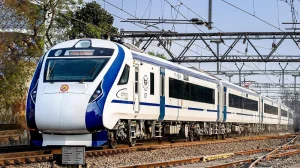
The service book is getting bigger in step with the traffic. There are 164 Vande Bharats in operation now, like the new Sleeper one between Howrah and Kamakhya. The Amrit Bharat count is at 68, with three more having been put on the map in May 2026, the ministry says.
In a way, it is a two-pronged approach: put some faster, modern trains on key runs and open up more options with new ones. It caters to the premium end of the market and to the need for better links, and it does so without losing sight of how to run a reliable operation.
Why the May numbers matter
There was some uncertainty in the air this month because of the situation in West Asia, but the latest from the railway shows it can stand up to that. A 1.3 per cent lift in freight, with coal and some nice gains in steel, ore and fertilisers, means the industrial cargo keeps rolling and the volatility is kept in check.
And the passenger side is the other leg of the stool. With the non-suburban segment up 7.4 per cent, the system is taking on more of a long-distance load and using the summer specials to ease any pressure. That kind of balance is what you need when you are dealing with the ebb and flow of the calendar.
What comes next
The ministry has put tighter control and a priority on certain commodity flows at the heart of its plan. If you follow the coal and the containers, and the new Vande and Amrit Bharat services, you can see the railway is set to hold the line on both energy and mobility as the rest of the world makes its moves.
The message for those who ship and those who travel is plain. External or not, the railway is not giving an inch on throughput and is putting in the capacity where it is needed. May’s results put the onus on execution rather than talk.